Best difficult hikes in Ireland
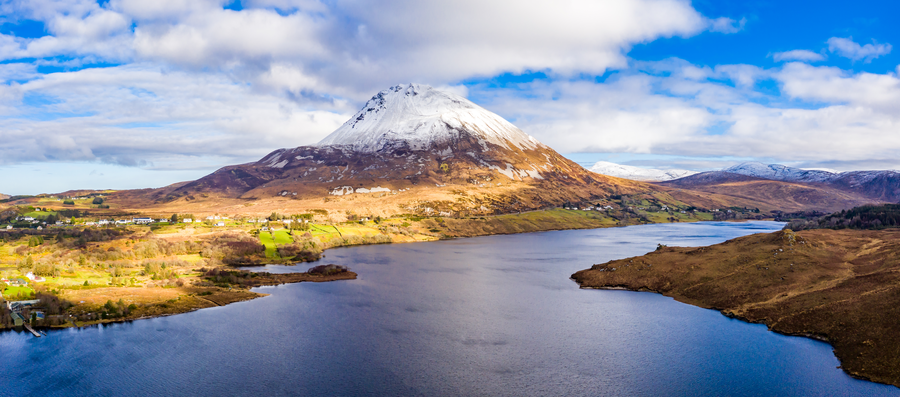
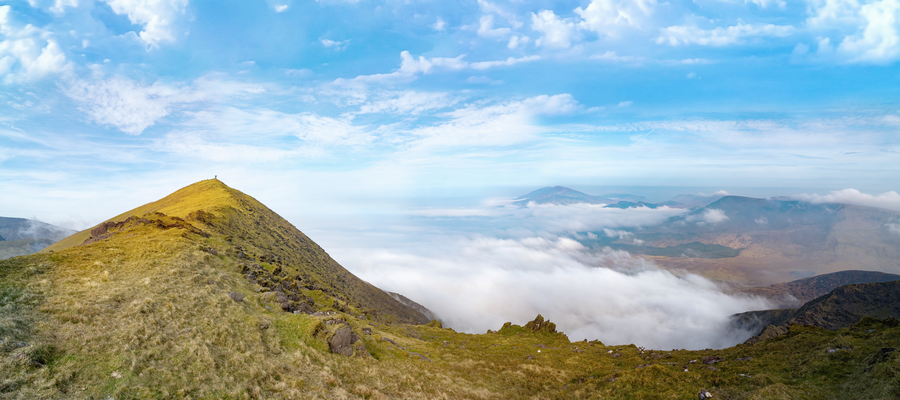
Got your game face on? These difficult hikes are designed for hikers who are looking for a serious adventure.
Here are some great hikes to explore in Ireland.
Most popular hikes
Reviews for difficult hikes in Ireland
Gillian Lupton · reviewed about 5 years ago
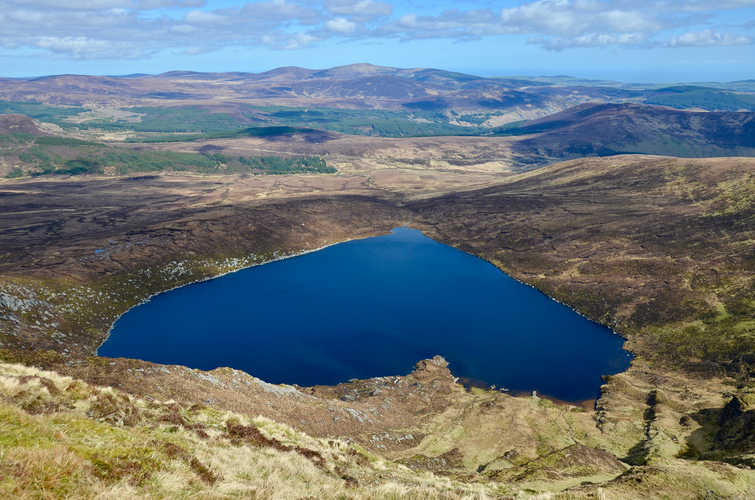
Love this loop looking down on Coumshingaun. Steep climb to begin with but once up to the height it’s all easy going. Can be treacherous in places so footwear with good grip is needed and take extra care in wet or cloudy weather. Bit of scrambling at times too. Has become very popular so get there early if going at the weekend. Parking for about 15 cars in the car park.
Eimear · reviewed 12 months ago
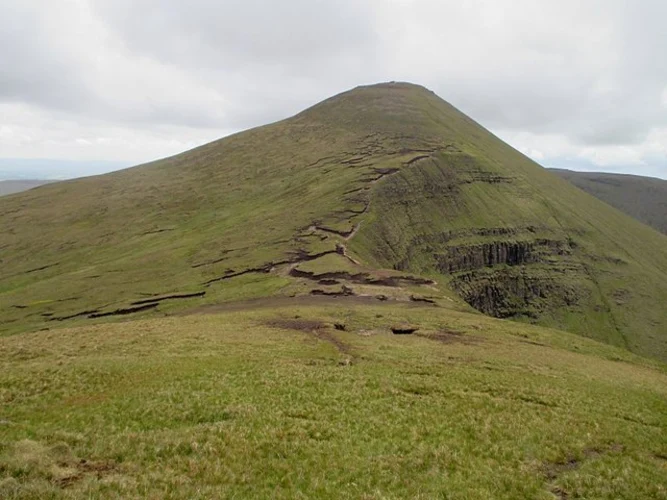
A very challenging hike. Even the best of gaiters and waterproof gear could not keep your legs dry in this bog. For most of the hike there is no definite trail to follow so having the Hiiker app to navigate really helped. Definitely one for experienced hikers and good weather. Involves riveen crossing and some scrambling so good boots are essential.

Galtymore to Cush Mountain Loop
eoin hamilton · reviewed about 4 years ago
Challenging trail but absolutely worth it for the views. Definitely would need boots and gaiters in bad weather. We were lucky to get a stunning day

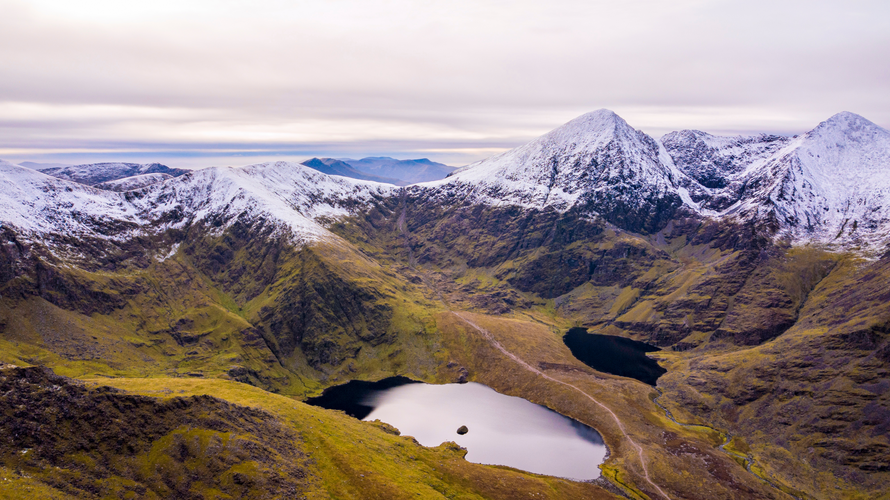
Carrauntoohil via The devil's ladder and zig zags
SummitSeekerLoUK · reviewed about 1 year ago
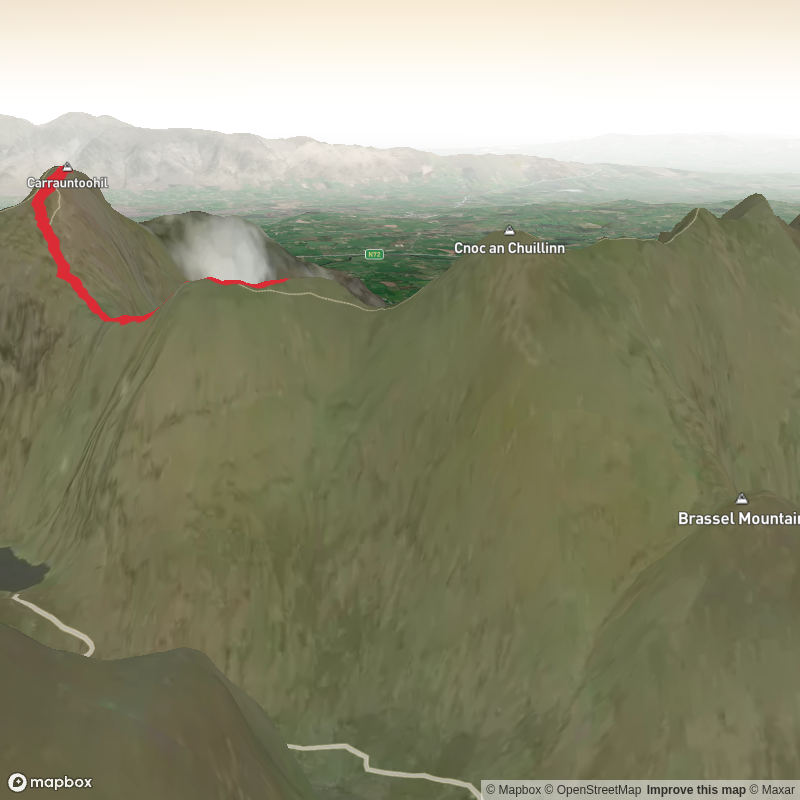
Went on a sunny, dry day. the devil's ladder is a tough climb up a waterfall, scrambling for a bit of it. Would not recommend on a wet day! stunning views from the top on a clear day.

Lough Ouler and Tonelagee Loop
Hannah · reviewed over 3 years ago
Definitely helps to have hiking boots, was very muddy underfoot for much of the trail. My poor friend fell several times in a pair of regular runners. Took us about 4 hours, with a 20 min lunch stop and we did a good bit of the start through thick undergrowth which I'm sure added a few minutes. Saw plenty of people with dogs on the trail. We did the trail in the opposite direction than indicated and enjoyed the riverside walk at the end, which is a nice relaxing way to end the hike
Frequently asked questions for hikes in Ireland
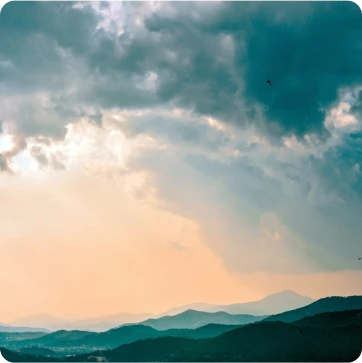
Autumn (September to November) brings cooler temperatures and an increase in rainfall. However, it can be a beautiful time to hike in Ireland, as the landscapes transform with vibrant autumn colors. The weather can be unpredictable, so check forecasts and plan accordingly. Spring (March to May) offers similar conditions, with cool temperatures and occasional showers. It's a quieter time to explore the trails, and you can witness the country's lush vegetation come to life.
Winter (December to February) can be challenging for hikers due to shorter daylight hours, colder temperatures, and more frequent rain. However, some enthusiasts still enjoy winter hiking in Ireland, taking advantage of fewer crowds and the unique beauty of frost-covered landscapes. Safety is paramount during this season, so ensure you have appropriate gear and check local conditions before embarking on your adventure.
For more detailed climate information and to plan your hiking trips accordingly, you can visit Met Éireann, Ireland's National Meteorological Service: https://www.met.ie/
Remember to always prioritize safety and be prepared for changes in weather conditions, regardless of the season.
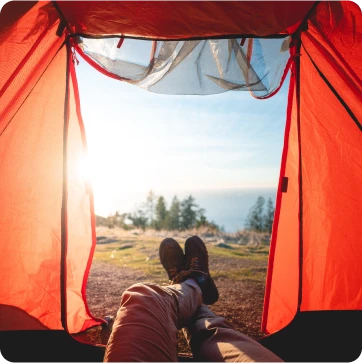

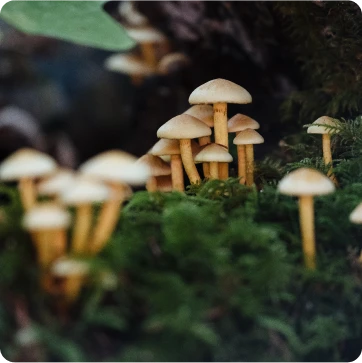
To learn more about Ireland's flora and identify specific species, resources like the National Biodiversity Data Centre provide valuable information and interactive guides: https://biodiversityireland.ie. Remember to respect and protect the natural environment by not picking or damaging any plants you encounter during your hikes, ensuring that future hikers can appreciate Ireland's diverse flora.

More hikes in Ireland
by difficulty
by type