Search a hike or location

search
Best waterfall hikes in England
Share:

Best waterfall hikes in England

If the calming sound of cascading water fills your soul with joy, you're in for a treat.

Here are some great hikes to explore in England.

Most popular hikes


Reviews for waterfall hikes in England
Kevin Ball  avatar

Cumbria Way

Kevin Ball reviewed over 3 years ago

star star star star star

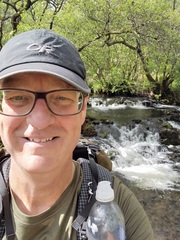
Hiked this trail in May 2022


ben wilcock avatar

Cleveland Way

Ben wilcock reviewed almost 5 years ago

star star star star star

Such a beautiful Trail showcasing the best of what North Yorkshire has to offer! The variety on the Cleveland Way is astounding, making for never a dull day. From the Moors to the gorgeous coastline it truly provides. I hiked the trail over 4 and a half days from Helmsley to Filey. Would highly recommend!!


Rachel Cooley avatar

Herriot Way

Rachel reviewed over 2 years ago

star star star star star

A friend and I completed this trail in four and a half days. A great trail for anyone who is starting to get into multi-day walking. Each section is very different from the next, all very enjoyable with changing landscapes and beautiful countryside. Some areas are not well signposted or waymarked. You'll need to keep your eye on the map. All the major villages and towns on the route have places to eat and drink and offer accommodation from camping to B&Bs. There's plenty to see and do along the way. Give yourself plenty of additional time for exploring. Visit Mill Gill waterfall. It is only a short detour from the main path and well worth it. We took the high route over the moors and wild camped at Blakethwaite Smelt Mill, a great wild camping spot. We stayed at the following places: Askrigg - The Crown Inn campsite is 拢10 a night, very basic. No showers. Just a toilet and drinking water tap. It does have very nice views over the Dales. Usha Gap Campsite and Farm - a ten-minute walk from Thwaite, just off the trail. 拢10 a night. Easy to find and get to. 拢10 lots of facilities, toilets, showers, phone charging points, dry room, showers, washing machine, the shop opens at 8 am. Wild Camp at Blakethwaite Smelt Mill at the top of Gunnerside Gill ravine. It's on the trail; you can't miss it if you take the high route. Grinton YHA (about a mile from Reeth and on route). Lots of options, from camping, outdoor pods, private rooms or dorms. Self-catering facilities and has a restaurant. Sells alcohol and local ales. Dry room, lounge, washing machine etc.


Bel Knott avatar

Calderdale Way

Hiker_Biker_Weightloss_Bel reviewed 10 months ago

star star star star star

Great walk, helped by the weather. Amazing views. Mostly good paths, but a few quite boggy areas. completed in 4 days.


Julie Dixon  avatar

Lake District Loop Walk

PeakRanger53 reviewed over 2 years ago

star star star star star


Frequently asked questions for hikes in England
What is the climate like for hiking in England?

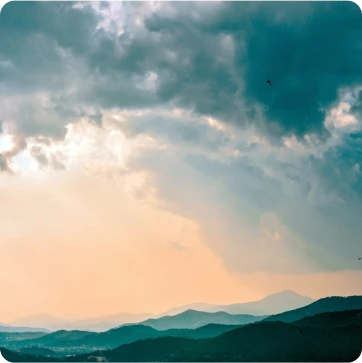
In England, hiking in the spring (March to May) sees milder temperatures and flourishing wildlife, however trails may be muddy due to showers. Summer (June to August) offers the most stable weather with longer daylight hours but trails can be crowded, especially in national parks. Autumn (September to November) can be wetter but displays vibrant fall colours.

Winter hiking (December to February) is more challenging due to short days and colder, often unpredictable weather. Snowfall can make some trails inaccessible. Always check the weather forecast and equip accordingly. Experienced hikers may enjoy the tranquility and stark beauty of the winter landscape.聽

Ultimately, the best time to hike in England depends on personal preferences and preparedness. England's official tourist site (https://www.visitengland.com/) provides in-depth information about various hiking trails and their seasonal characteristics. Be sure to research specific areas as climate can vary across the country.

Do I need a permit to hike in England?

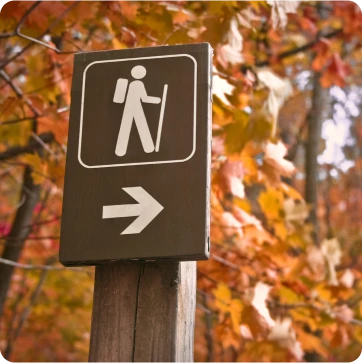
In England, the "Right to Roam" allows hikers access to certain public lands without a permit. Some areas like national parks or Sites of Special Scientific Interest may have specific rules. Before hiking, check with the landowner, National Trust, or local council. Information on access rights can be found on the Natural England website (https://www.gov.uk/guidance/open-access-land-management-rights-and-responsibilities).


Is wild camping allowed in England?

Wild camping in England is generally not allowed without landowner permission, except in some parts of Dartmoor National Park. Breaching this can result in fines. It's advised to use official campsites or seek landowner consent for a more immersive experience. For more, visit the Dartmoor National Park's website (https://www.dartmoor.gov.uk/visiting/planning-your-visit/camping).


Are there mountain rescue services in England?

In emergencies while hiking in England, dial 999 and ask for the police, then request Mountain Rescue. The Mountain Rescue England and Wales (MREW) is a volunteer-run organization that provides assistance in upland and lowland areas. More information can be found on their website (https://www.mountain.rescue.org.uk/).


Are there dangerous plants in England?

England's diverse hiking trails present a range of flora. Expect bluebells in ancient woodlands, gorse on coastal paths, and heather on moorlands. In protected areas, refrain from picking or damaging plants. The Woodland Trust provides more details on the UK's native species (https://www.woodlandtrust.org.uk/trees-woods-and-wildlife/plants/).


What wildlife should I be aware of when hiking in England?

While hiking in England, you may encounter a variety of wildlife including deer, foxes, badgers, and numerous bird species. Beware of ticks in tall grass and midges in damp, shaded areas. The Royal Society for the Protection of Birds (https://www.rspb.org.uk/) offers useful information on encountering wildlife responsibly.