Best wildflower viewing hikes in England
Ready for some outdoor fun? These hikes offer everything you could want for an unforgettable adventure!
Here are some great hikes to explore in England.
Most popular hikes
Reviews for wildflower viewing hikes in England
Rachel · reviewed about 3 years ago
A friend and I completed this trail in four and a half days. A great trail for anyone who is starting to get into multi-day walking. Each section is very different from the next, all very enjoyable with changing landscapes and beautiful countryside. Some areas are not well signposted or waymarked. You'll need to keep your eye on the map. All the major villages and towns on the route have places to eat and drink and offer accommodation from camping to B&Bs. There's plenty to see and do along the way. Give yourself plenty of additional time for exploring. Visit Mill Gill waterfall. It is only a short detour from the main path and well worth it. We took the high route over the moors and wild camped at Blakethwaite Smelt Mill, a great wild camping spot. We stayed at the following places: Askrigg - The Crown Inn campsite is £10 a night, very basic. No showers. Just a toilet and drinking water tap. It does have very nice views over the Dales. Usha Gap Campsite and Farm - a ten-minute walk from Thwaite, just off the trail. £10 a night. Easy to find and get to. £10 lots of facilities, toilets, showers, phone charging points, dry room, showers, washing machine, the shop opens at 8 am. Wild Camp at Blakethwaite Smelt Mill at the top of Gunnerside Gill ravine. It's on the trail; you can't miss it if you take the high route. Grinton YHA (about a mile from Reeth and on route). Lots of options, from camping, outdoor pods, private rooms or dorms. Self-catering facilities and has a restaurant. Sells alcohol and local ales. Dry room, lounge, washing machine etc.

Wesley Masters · reviewed about 5 years ago
The trail was enjoyable overall although there are others I would recommend before this one. I finished this one in 33 hours and 15 minutes and there were plenty of ideal camping spots, although water sources were a little less frequent. The trail is in a good condition and there and fairly well marked. I hiked this in July and the weather was a little grim but it was fine to wear shorts throughout. I would recommend the Coleridge Way over this one, however, it was still fun to do and another one ticked off

Pack_backer · reviewed almost 5 years ago
honestly my favourite trail in the UK so far. The ups and downs of the dales are phenomenal and not to be taken lightly as they are a true ball breaker 🤣. The section over the Howgill Fells is amazing and the sections around Gordale Scar and Malham cove. Can't forget summiting Ingleborough of course.

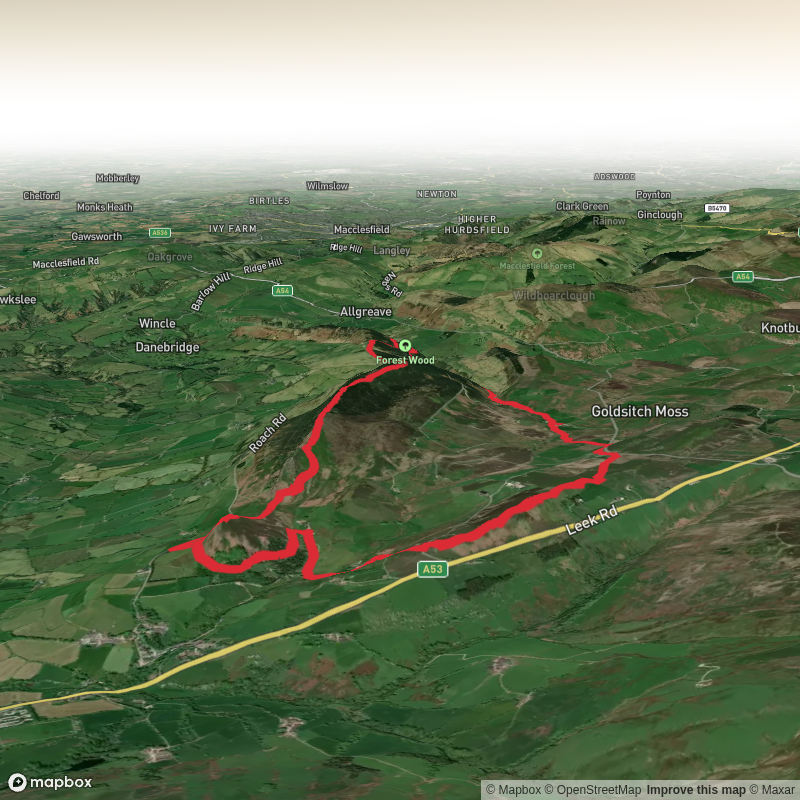
Hen Cloud, The Roaches, Luds Church, Gradbach Hill and Ramshaw Rocks Loop
CJROBERTS · reviewed 4 months ago
Frequently asked questions for hikes in England
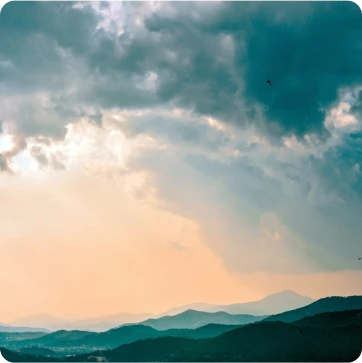
Winter hiking (December to February) is more challenging due to short days and colder, often unpredictable weather. Snowfall can make some trails inaccessible. Always check the weather forecast and equip accordingly. Experienced hikers may enjoy the tranquility and stark beauty of the winter landscape.
Ultimately, the best time to hike in England depends on personal preferences and preparedness. England's official tourist site (https://www.visitengland.com/) provides in-depth information about various hiking trails and their seasonal characteristics. Be sure to research specific areas as climate can vary across the country.

More hikes in England
by difficulty
by type
- Bridge
- Canyon
- Cave
- City Walk
- Coastal
- Dog Friendly
- Event
- Family Friendly
- Forest
- Historic Landmarks
- Kid Friendly
- Lake
- Lookout Towers
- Mountain Views
- Native Woods
- No Dogs
- Partially Paved
- Paved
- Pub Walk
- Rail Trail
- River
- Rock Formations
- Scenic Views
- Stroller Friendly
- Waterfall
- Wheelchair Accessible
- Wildflower
- Wildlife
by activity
- Backpacking
- Bike Touring
- Birding
- Camping
- Environmental Education
- Fishing
- Hiking
- Historical Sites
- Horseback Riding
- Long Distance
- Mountain Biking
- Nature Trips
- Paddle Sports
- Photography
- Rock Climbing
- Road Biking
- Running
- Scenic Routes
- Seasonal Hikes
- Trail Running
- Walking
- Wildflower Viewing
- Wildlife Viewing