Search a hike or location

search
Best historic landmarks hikes in Stirling
Share:

Best historic landmarks hikes in Stirling

Take a stroll through time! These hikes lead to fascinating historical landmarks.

Here are some great hikes to explore in Stirling.

Most popular hikes


Reviews for historic landmarks hikes in Stirling

Wesley Brown avatar

Central Scottish Way

CanyonForestrunner66 reviewed about 1 year ago

star star star star star


Ralph Wilson avatar

The Darn Walk - Dunblane

RalphsTrailTreks reviewed about 1 year ago

star star star star star

Some slippery sections with wet leaves over wet stones. Mostly off- road, a short section in Bridge of Allan main road with wide pavements, and I chose to cut the walk short down Glen Rd in Dunblane. I also stayed on Upper Glen Rd, which is paved but no vehicles, NCN 765. A pleasant couple of hours.


Garry Burrill avatar

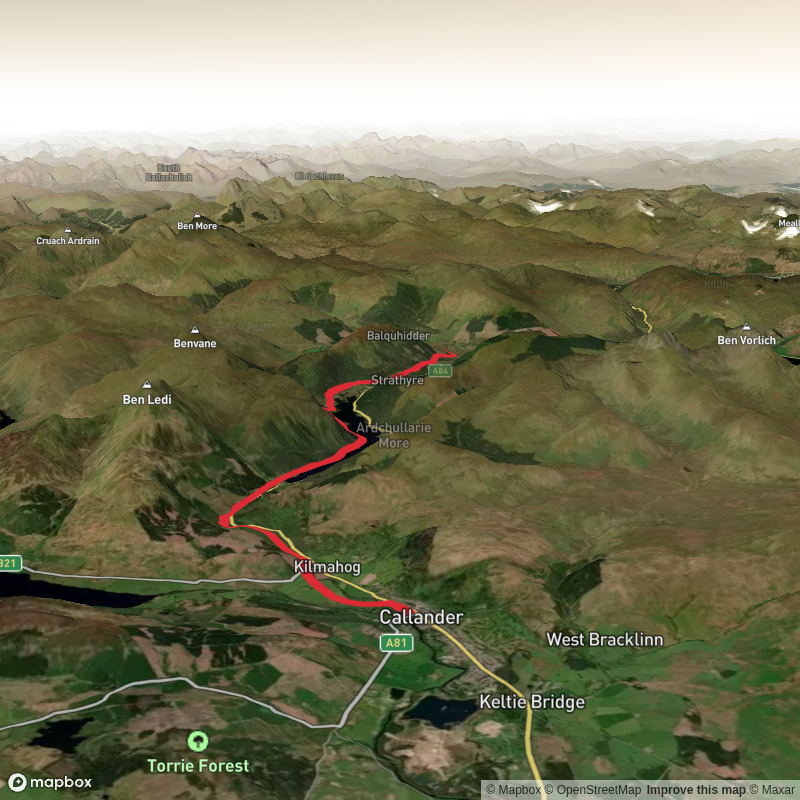
Ben Ledi near Callander

Burrillliant reviewed 8 months ago

star star star star star


Scottie Flatley avatar

Glen Ogle Loop

MountainFinder47 reviewed about 1 year ago

star star star star star


Aileen Lynch avatar

Plean, Torwood Castle and Denovan Main

LynchTrailblazer reviewed 10 months ago

star star star star star


Frequently asked questions for hikes in Stirling
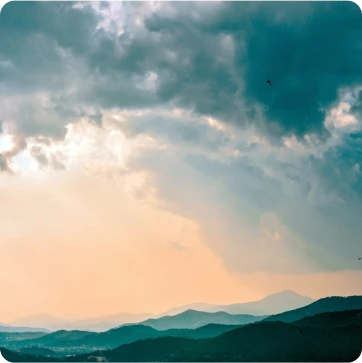
What is the climate like for hiking in Scotland?

Scotland's climate shifts with each season, requiring keen attention for hiking adventures. The mild, potentially wet spring months are invigorating, with blossoming flora and longer daylight hours enhancing the scenic experience. Rainproof gear is essential to counter unpredictable showers. More at https://www.mwis.org.uk/forecasts/scottish.
Summers, typically June to August, offer the most hospitable hiking climate. Though occasionally rainy, the temperatures hover around a comfortable 15掳C - 20掳C, with up to 18 hours of daylight to fully exploit the trails. Careful monitoring of midge activity is vital for a hassle-free experience. https://www.livebreathescotland.com/midges-in-scotland/
Autumn brings a dazzling display of changing colours, but the weather, much like spring, can be erratic. Temperatures begin to drop, and daylight hours shrink rapidly, restricting hiking time. Winters are challenging with shorter days, snowfall, and icy trails. For the experienced, it presents a unique, exhilarating challenge. Check https://www.mountaineering.scot/. Best to avoid winter unless highly experienced.

Do I need a permit to hike in Scotland?

Unlike certain parts of the world, Scotland boasts the "Right to Roam," making hiking unrestricted and accessible. As such, there are no permits required for general hiking. However, wild camping regulations in places like Loch Lomond & The Trossachs National Park require adherence. Details at聽Wild Camping Guidelines.


Is wild camping allowed in Scotland?

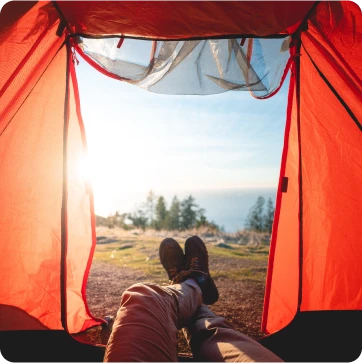
In Scotland, wild camping is legal and widely enjoyed by hikers due to the Land Reform (Scotland) Act 2003. Yet, restrictions apply in certain areas, especially from March to September, like Loch Lomond & The Trossachs National Park. It's crucial to respect the Outdoor Access Code. Explore more at Outdoor Access Code.


Are there mountain rescue services in Scotland?

In case of a hiking emergency in Scotland, contacting the police is paramount as they coordinate with Mountain Rescue teams. Dial 999, ask for Police, then Mountain Rescue. Consider registering with the emergency SMS service for areas with poor signal. Further details at Mountain Rescue Scotland.


Are there dangerous plants in Scotland?

Scotland's rich biodiversity paints the trails with varied flora. Expect heather moorlands in the Highlands, ancient woodlands in Caledonian Pine forests, and bluebell fields in spring. Be wary of certain plants like bracken, which can harbor ticks. For more flora information, refer to https://www.nature.scot/plants-animals-and-fungi/flowering-plants.


What wildlife should I be aware of when hiking in Scotland?

Scotland's wildlife ranges from benign red deer in the Highlands to the notorious midges prevalent in warm, damp conditions. Caution is advised around adders, Scotland's only venomous snake. Observe marine life in coastal regions. Learn more at https://www.wildguidescotland.com/.