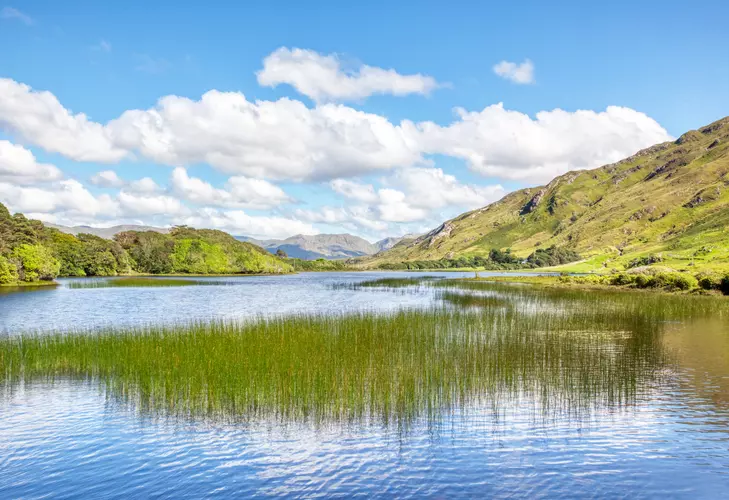
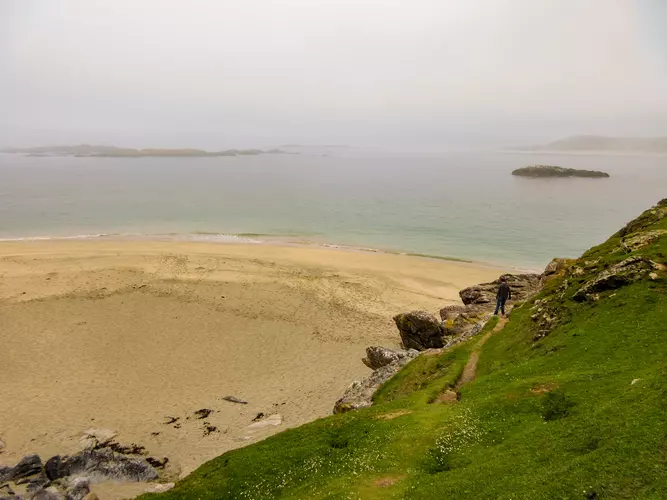
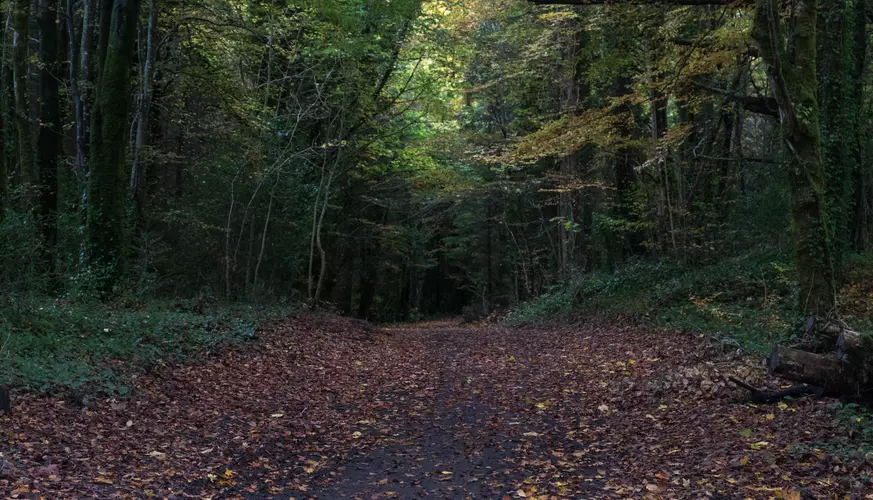
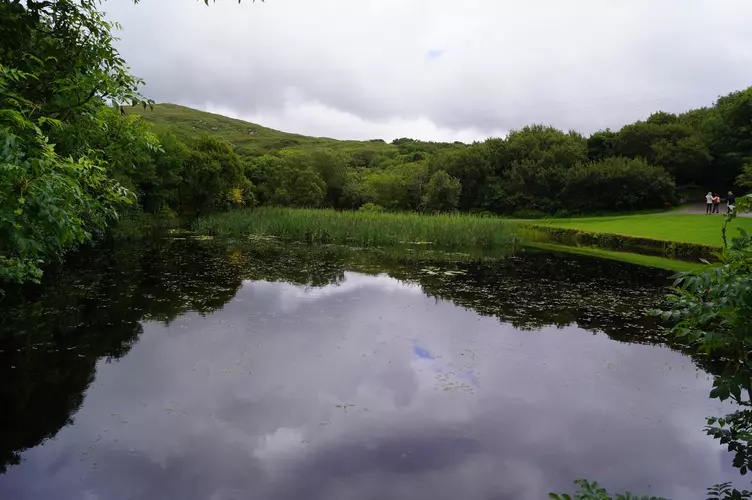
Best lake hikes in County Galway
Want a hike where the views are as smooth as the water's surface? These lake-side paths will have you reflecting on nature's beauty.
Here are some great hikes to explore in County Galway.
Most popular hikes
Reviews for lake hikes in County Galway





Frequently asked questions for hikes in County Galway

Ireland's climate is influenced by the North Atlantic Drift, which keeps temperatures mild throughout the year. Summers (June to August) are generally the warmest months, with average temperatures ranging from 15°C to 20°C (59°F to 68°F). It's a great time for hiking, with longer daylight hours and generally drier conditions. Be prepared for occasional rainfall and pack layers to adapt to changing weather.
Autumn (September to November) brings cooler temperatures and an increase in rainfall. However, it can be a beautiful time to hike in Ireland, as the landscapes transform with vibrant autumn colors. The weather can be unpredictable, so check forecasts and plan accordingly. Spring (March to May) offers similar conditions, with cool temperatures and occasional showers. It's a quieter time to explore the trails, and you can witness the country's lush vegetation come to life.
Winter (December to February) can be challenging for hikers due to shorter daylight hours, colder temperatures, and more frequent rain. However, some enthusiasts still enjoy winter hiking in Ireland, taking advantage of fewer crowds and the unique beauty of frost-covered landscapes. Safety is paramount during this season, so ensure you have appropriate gear and check local conditions before embarking on your adventure.
For more detailed climate information and to plan your hiking trips accordingly, you can visit Met Éireann, Ireland's National Meteorological Service: https://www.met.ie/
Remember to always prioritize safety and be prepared for changes in weather conditions, regardless of the season.
Autumn (September to November) brings cooler temperatures and an increase in rainfall. However, it can be a beautiful time to hike in Ireland, as the landscapes transform with vibrant autumn colors. The weather can be unpredictable, so check forecasts and plan accordingly. Spring (March to May) offers similar conditions, with cool temperatures and occasional showers. It's a quieter time to explore the trails, and you can witness the country's lush vegetation come to life.
Winter (December to February) can be challenging for hikers due to shorter daylight hours, colder temperatures, and more frequent rain. However, some enthusiasts still enjoy winter hiking in Ireland, taking advantage of fewer crowds and the unique beauty of frost-covered landscapes. Safety is paramount during this season, so ensure you have appropriate gear and check local conditions before embarking on your adventure.
For more detailed climate information and to plan your hiking trips accordingly, you can visit Met Éireann, Ireland's National Meteorological Service: https://www.met.ie/
Remember to always prioritize safety and be prepared for changes in weather conditions, regardless of the season.

In Ireland, most hiking trails do not require permits for individual hikers. However, certain areas, such as national parks and nature reserves, may have specific regulations. To obtain permits or gather information about restricted areas, contact the relevant agencies or organizations. The National Parks and Wildlife Service (NPWS) manages Ireland's national parks, while local county councils oversee regional parks and trails. For more details, visit the NPWS website: https://www.npws.ie/

When it comes to wild camping in Ireland, it's important to note that it is generally not legal unless you have obtained permission from the landowner. While there may be instances where it's tolerated, it's crucial to respect private property and seek alternative options for overnight stays. It is advisable to plan your hikes in areas where there are designated campsites or seek accommodations such as hostels, B&Bs, or campgrounds. Respecting the environment, leaving no trace, and following the principles of responsible hiking are essential to preserve Ireland's beautiful landscapes for future generations to enjoy.

In the event of an emergency while hiking in Ireland, it is crucial to contact the appropriate agencies for mountain rescue. The primary organization responsible for coordinating mountain rescues is the Irish Coast Guard. Dialing 112 or 999 will connect you to emergency services. Additionally, the Mountain Rescue Ireland (MRI) provides assistance and support. For more information, visit the Irish Coast Guard website: https://www.gov.ie/en/policy-information/eda64a-the-irish-coast-guard/

While hiking in Ireland, hikers can expect a diverse range of flora to enhance their outdoor experience. The country is renowned for its lush landscapes, featuring beautiful wildflowers, mosses, ferns, and heather. Woodlands, such as Killarney National Park and Glendalough, showcase native trees like oak, birch, and holly. Coastal areas, like the Burren, boast unique floral displays with rare orchids and vibrant coastal plants. Exploring Ireland's flora adds an extra dimension to the hiking experience.
To learn more about Ireland's flora and identify specific species, resources like the National Biodiversity Data Centre provide valuable information and interactive guides: https://biodiversityireland.ie. Remember to respect and protect the natural environment by not picking or damaging any plants you encounter during your hikes, ensuring that future hikers can appreciate Ireland's diverse flora.
To learn more about Ireland's flora and identify specific species, resources like the National Biodiversity Data Centre provide valuable information and interactive guides: https://biodiversityireland.ie. Remember to respect and protect the natural environment by not picking or damaging any plants you encounter during your hikes, ensuring that future hikers can appreciate Ireland's diverse flora.

When hiking in Ireland, it's important to be aware of the diverse insect and animal life you may encounter. In wooded areas, keep an eye out for midges and ticks, particularly during warmer months. Along coastal paths, you might spot seals, seabirds, and even dolphins. The Burren region is known for its unique flora and fauna, including butterflies and wild goats. Remember to respect the wildlife and their habitats, keeping a safe distance and not feeding them. If you want to learn more about the specific species you may come across, the National Parks and Wildlife Service website provides useful information. Stay curious and enjoy the wonders of nature while hiking in Ireland! Link: National Parks and Wildlife Service website