



Best wheelchair accessible hikes in Victoria
Ready for some outdoor fun? These hikes offer everything you could want for an unforgettable adventure!
Here are some great hikes to explore in Victoria.
Most popular hikes
Reviews for wheelchair accessible hikes in Victoria


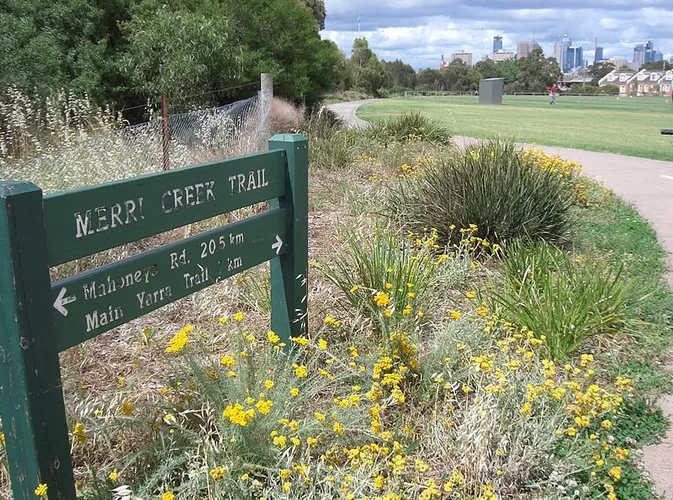
No reviews available for Merri Creek Trail.
Frequently asked questions for hikes in Victoria
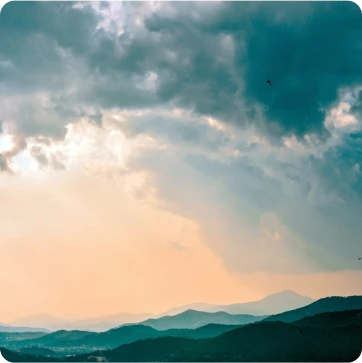
In Victoria, Australia, spring (September to November) and autumn (March to May) offer comfortable hiking conditions. Summers (December to February) can be hot and dry, posing risks of wildfires. Winters (June to August) are generally mild but colder in mountainous areas. Check the https://graphical.weather.gov/sectors/virginia.php for detailed forecasts.
Permits may be required for certain trails and national parks. Always verify with Parks Victoria beforehand.
Camping restrictions apply in some areas, check with local authorities or consult Parks Victoria for details.
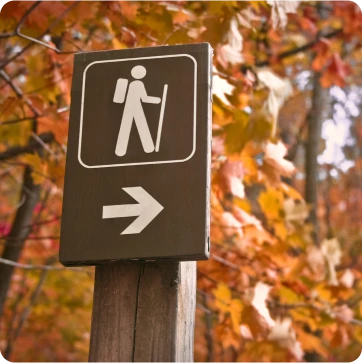
For hiking in Victoria, Australia, permits are sometimes required in certain parks and trails. It's advised to verify with Parks Victoria, the state’s primary land manager, before planning your trip. Visit the Parks Victoria website for more details on permits and reservations.
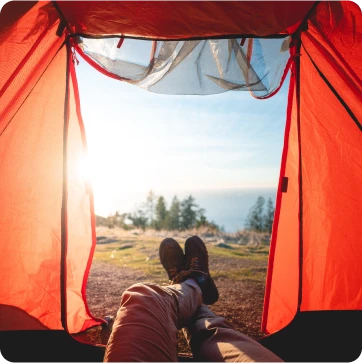
Wild camping in Victoria, Australia, is often permitted but restrictions vary across different parks. Campers must follow 'Leave No Trace' principles and adhere to local regulations. Contact Parks Victoria or visit their website to understand specific guidelines before embarking on your journey.
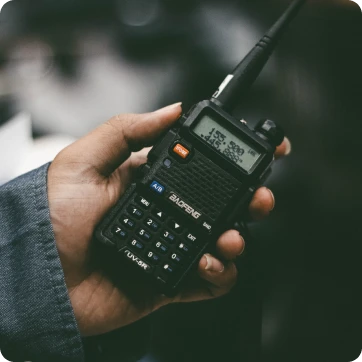
In case of emergencies while hiking in Victoria, Australia, contacting Victoria's State Emergency Service or dialing the country's emergency number, 000, would be the most appropriate course of action. It's advisable to carry a Personal Locator Beacon (PLB). More information can be found on their website.
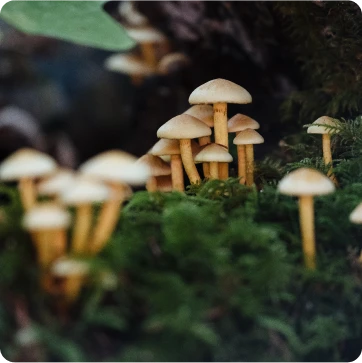
Hikers in Victoria may encounter diverse flora such as the Mountain Ash and Snow Gums in the highlands, and a variety of wildflowers in the Grampians. To identify plants or learn about protected species, visit the Royal Botanic Gardens Victoria website.
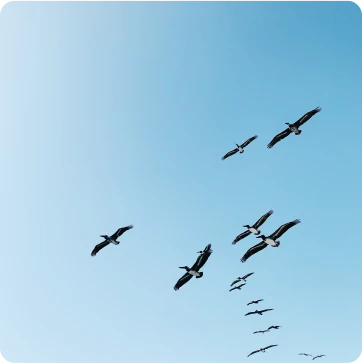
In Victoria, hikers can expect encounters with kangaroos, koalas, and various bird species. Beware of venomous creatures like spiders and snakes. For wildlife guidance, visit the Victorian Department of Environment, Land, Water and Planning.
More hikes in Victoria
by difficulty
by type