Best extra difficult hikes in United States of America
Only the bravest need apply! These extra-difficult hikes are not for the faint of heart.
Here are some great hikes to explore in United States of America.
Most popular hikes
Reviews for extra difficult hikes in United States of America

Thomas Swinhoe · reviewed over 5 years ago
NOBO 2017. 5 months exactly. from 5 May - 5th October. Worth the pain. A beautiful life changing trail!




Frequently asked questions for hikes in United States of America
The climate in the United States varies greatly due to its vast size and geographical diversity. Generally, northern states experience cold winters and warm summers, while southern states have mild winters and hot summers. In terms of hiking, weather conditions can significantly influence trail accessibility and comfort.
In most regions, spring (March to June) and fall (September to November) offer the best hiking conditions, with mild temperatures and vibrant flora. However, for high-altitude hikes or trails in northern states, summer (June to August) may be more suitable due to warmer weather.
Winter hikes (December to February) are also possible but require careful planning and suitable gear, especially in snowy regions. Always check local weather conditions before embarking on a hike. For comprehensive hiking guides across the U.S., visit the National Park Service website.
https://www.nps.gov/im/gryn/climate.htm
https://www.nps.gov/im/gryn/climate.htm
Hiking in certain areas of the U.S., particularly in national parks or wilderness areas, may require permits. These are typically obtained from the managing agency, often the National Park Service or U.S. Forest Service. It's recommended to apply in advance. Detailed information is available on respective agency websites.
https://www.fs.usda.gov/detail/sierra/passes-permits/?cid=fsbdev7_018115
https://www.fs.usda.gov/detail/sierra/passes-permits/?cid=fsbdev7_018115
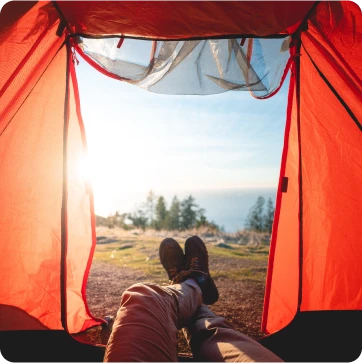
Wild camping, also known as dispersed camping, is typically allowed on U.S. Forest Service and Bureau of Land Management lands, with certain restrictions. Campers must adhere to Leave No Trace principles and specific site rules. Comprehensive information can be found on the U.S. Forest Service website.
https://www.fs.usda.gov/detailfull/fishlake/recreation/?cid=stelprdb5121831
https://www.fs.usda.gov/detailfull/fishlake/recreation/?cid=stelprdb5121831

In the U.S., emergency rescue services are usually coordinated by local county sheriff's departments, often in collaboration with volunteer search and rescue groups. Hikers in distress should dial 911. The National Association for Search & Rescue provides additional resources and safety tips for hikers
https://mra.org/
https://mra.org/
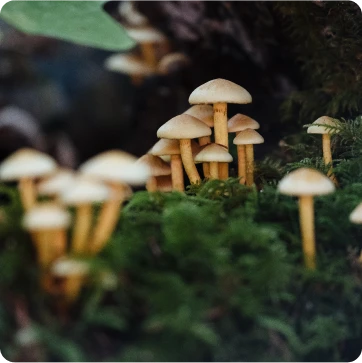
The U.S. boasts diverse flora, with ecosystems ranging from desert cacti in the Southwest, deciduous forests in the East, to alpine flora in the Rocky Mountains. Recognizing local plants can enhance hiking experiences and help avoid poisonous species. https://plants.usda.gov/
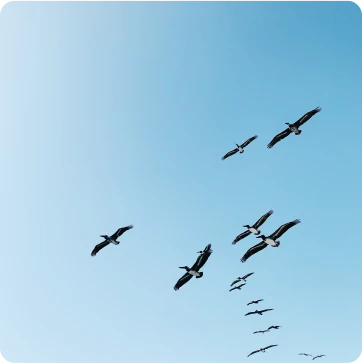
The U.S. offers a broad array of wildlife from small insects to larger mammals, varying by region. Hikers could encounter anything from mosquitoes in humid areas to bears in forested regions. Proper precautions should be taken to avoid unwanted encounters. The National Park Service provides detailed wildlife information. Link: https://www.nps.gov/subjects/watchingwildlife/index.htm
More hikes in United States of America
by difficulty
by type
- Bridge
- Canyon
- Cave
- City Walk
- Coastal
- Desert
- Dog Friendly
- Event
- Family Friendly
- Forest
- Historic Landmarks
- Hot Springs
- Kid Friendly
- Lake
- Mountain Views
- Native Woods
- No Dogs
- Partially Paved
- Paved
- Pub Walk
- Rail Trail
- River
- Rock Formations
- Scenic Views
- Stroller Friendly
- Waterfall
- Wheelchair Accessible
- Wildflower
- Wildlife
by activity
- Backpacking
- Bike Touring
- Birding
- Camping
- Cross Country Skiing
- Fishing
- Hiking
- Historical Sites
- Horseback Riding
- Long Distance
- Mountain Biking
- Nature Trips
- Paddle Sports
- Photography
- Rock Climbing
- Road Biking
- Running
- Scenic Driving
- Scenic Routes
- Skiing
- Snowshoeing
- Trail Running
- Walking
- Wildflower Viewing
- Wildlife Viewing