Search a hike or location

search
Best bridge hikes in Scotland
Share:

Best bridge hikes in Scotland

Ready for some outdoor fun? These hikes offer everything you could want for an unforgettable adventure!

Here are some great hikes to explore in Scotland.

Most popular hikes


Reviews for bridge hikes in Scotland

Jonny Major avatar

Great Glen Way

Jonny Major reviewed about 4 years ago

star star star star star


Roberto Delgado avatar

Cape Wrath Way East

Roberto Delgado reviewed over 5 years ago

star star star star star


Ms. Jacquline Stoltenberg avatar

Sir Walter Scott Way

AshTracker77 reviewed over 1 year ago

star star star star star


Petter Rustad avatar

St Columba's Way

Petter R. reviewed almost 3 years ago

star star star star star

St.Columba's Way was my third long hike and the first outside of Scandinavia. I really enjoyed the hike. The marking of the route is close to non existing. I used the app most of the time. There are some web sites you can use as well. I did the trip in ten days, but can recommend somewhat shorter stages than I had. Out on the Isle of Mull there are basically two main routes to Craignure. The first is a quite simply along the A849. The second, St Columba鈥檚 Way, and the more adventurous route along the south of Mull, runs mainly along the coast. Between Fionnphort and Lochbuie the going is varied and difficult. The path is ill-defined, boggy, and overgrown. I don't recommend this route. Due deerstalking I hiked followed the road East of Loch Assapol to the A849 and followed that towards Pennyghael and then descended to Carsaig and followed the beautiful coastal path from there. From Dalmally to Bridge of Orchy I followed the app map but I would recommend to hike south of the river to the bridge instead. I spent every night in a tent and it was possible to find a spot along most of the way. A bit difficult when I got close to Dundee so here I would recommend to hike the Tay Road Bridge to find a spot. There are places to stock up and eat along the way.


Ian Elsworth  avatar

Forth and Clyde - Union Canal Towpath

Ian reviewed 2 days ago

star star star star star

Train to Glasgow then changed to train for Bowling. 3 days 2 nights on the trail. Great walk, only criticism would be the hardnesses of the path, brilliant for cycling but a tough on the feet.


Frequently asked questions for hikes in Scotland
What is the climate like for hiking in Scotland?

Scotland's climate shifts with each season, requiring keen attention for hiking adventures. The mild, potentially wet spring months are invigorating, with blossoming flora and longer daylight hours enhancing the scenic experience. Rainproof gear is essential to counter unpredictable showers. More at https://www.mwis.org.uk/forecasts/scottish.
Summers, typically June to August, offer the most hospitable hiking climate. Though occasionally rainy, the temperatures hover around a comfortable 15掳C - 20掳C, with up to 18 hours of daylight to fully exploit the trails. Careful monitoring of midge activity is vital for a hassle-free experience. https://www.livebreathescotland.com/midges-in-scotland/
Autumn brings a dazzling display of changing colours, but the weather, much like spring, can be erratic. Temperatures begin to drop, and daylight hours shrink rapidly, restricting hiking time. Winters are challenging with shorter days, snowfall, and icy trails. For the experienced, it presents a unique, exhilarating challenge. Check https://www.mountaineering.scot/. Best to avoid winter unless highly experienced.

Do I need a permit to hike in Scotland?

Unlike certain parts of the world, Scotland boasts the "Right to Roam," making hiking unrestricted and accessible. As such, there are no permits required for general hiking. However, wild camping regulations in places like Loch Lomond & The Trossachs National Park require adherence. Details at聽Wild Camping Guidelines.


Is wild camping allowed in Scotland?

In Scotland, wild camping is legal and widely enjoyed by hikers due to the Land Reform (Scotland) Act 2003. Yet, restrictions apply in certain areas, especially from March to September, like Loch Lomond & The Trossachs National Park. It's crucial to respect the Outdoor Access Code. Explore more at Outdoor Access Code.


Are there mountain rescue services in Scotland?

In case of a hiking emergency in Scotland, contacting the police is paramount as they coordinate with Mountain Rescue teams. Dial 999, ask for Police, then Mountain Rescue. Consider registering with the emergency SMS service for areas with poor signal. Further details at Mountain Rescue Scotland.


Are there dangerous plants in Scotland?

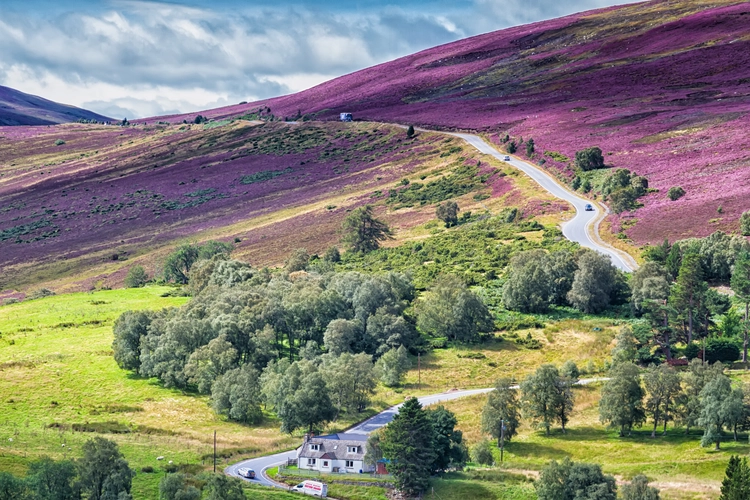
Scotland's rich biodiversity paints the trails with varied flora. Expect heather moorlands in the Highlands, ancient woodlands in Caledonian Pine forests, and bluebell fields in spring. Be wary of certain plants like bracken, which can harbor ticks. For more flora information, refer to https://www.nature.scot/plants-animals-and-fungi/flowering-plants.


What wildlife should I be aware of when hiking in Scotland?

Scotland's wildlife ranges from benign red deer in the Highlands to the notorious midges prevalent in warm, damp conditions. Caution is advised around adders, Scotland's only venomous snake. Observe marine life in coastal regions. Learn more at https://www.wildguidescotland.com/.