Download
3D Flyover
Add to list
More
6.2 km
~1 hrs 16 min
12 m
Loop
“A breezy, big-skied coastal wander through dunes, sands, wildlife, and ancient echoes feels gloriously remote.”
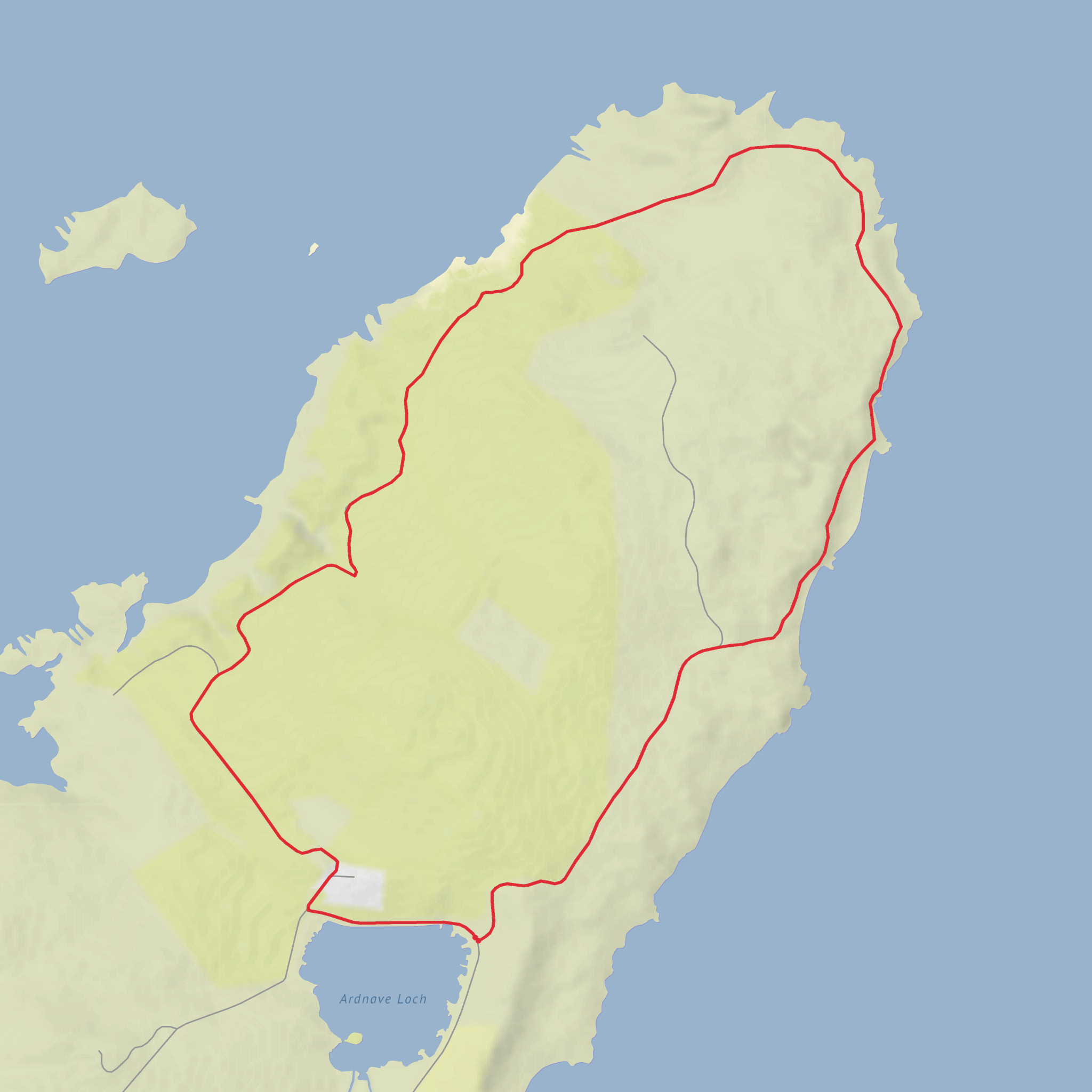
This easy coastal loop explores the far north-west of Islay around Ardnave, combining broad sands, low dunes, open machair-like grassland, and long sea views with almost no climbing. At roughly 6 km / 3.7 miles and about 0 m / 0 ft of ascent, it is a relaxed outing rather than a strenuous hike, but the exposed setting means wind, soft sand, and changing weather can still make it feel more committing than the numbers suggest. The route starts near the small parking area at the end of the single-track road by Ardnave, near Loch Gruinart on Islay, Argyll PA44 7PR, reached by continuing beyond the RSPB Loch Gruinart area toward Ardnave Farm. (islayinfo.com)
The first part of the walk is usually straightforward, following a sandy track out toward Ardnave Point along the western shore of Loch Gruinart. This section is mostly flat and easy underfoot at first, though patches of softer sand can slow progress. As you move farther out, the landscape opens dramatically: dunes rise and fall beside the track, the shoreline broadens, and the sense of remoteness increases. On clear days, views extend toward Jura, Colonsay, Killinallan Point, and Nave Island, which lies just offshore from the point. (islayinfo.com)
Terrain and what to expect
Although the elevation gain is negligible, the terrain changes enough to be worth planning for. Expect a mix of sandy track, beach-edge walking, grassy ground, and dune crossings on the loop return. If the ground is dry, most hikers will find it very manageable; after wet weather, some grassy sections can feel uneven or boggy in places, and the dune crossings can be looser underfoot. Good walking shoes are usually enough in settled conditions, but waterproof footwear is sensible if rain has been persistent. Because this is a low, open coastal route, there is very little shelter from Atlantic winds. Even on a mild day, an extra layer is worth carrying. (islayinfo.com)
Navigation is generally uncomplicated in fair visibility, especially on the outward leg, but the return loop across grass and dunes can be less obvious than the main track. A downloaded route on HiiKER is useful here, particularly in mist or if you want to stay precisely on the loop rather than simply returning the way you came. (islayinfo.com)
A common way to walk it is to head out on the main sandy track to Ardnave Point, then return by the circular option that passes a kissing gate near the grave and crosses the dunes and grassy ground back toward Ardnave Farm and the lochside. That loop variation is what brings the total closer to about 6 km / 3.7 miles, rather than the shorter out-and-back often described for Ardnave Point alone. (islayinfo.com)
Wildlife, coast, and seasonal interest
This is one of the most rewarding short walks on Islay for wildlife. The Ardnave and Loch Gruinart area is well known for birdlife, and hikers should keep an eye out for chough, the striking crow with a red bill and red legs for which Islay is a notable UK stronghold. Depending on season, you may also see waders, geese, raptors, and seabirds, while seals, otters, red deer, roe deer, and hares are all possible in the wider Loch Gruinart area. In winter, Loch Gruinart is especially famous for huge numbers of Greenland barnacle and white-fronted geese. (walkhighlands.co.uk)
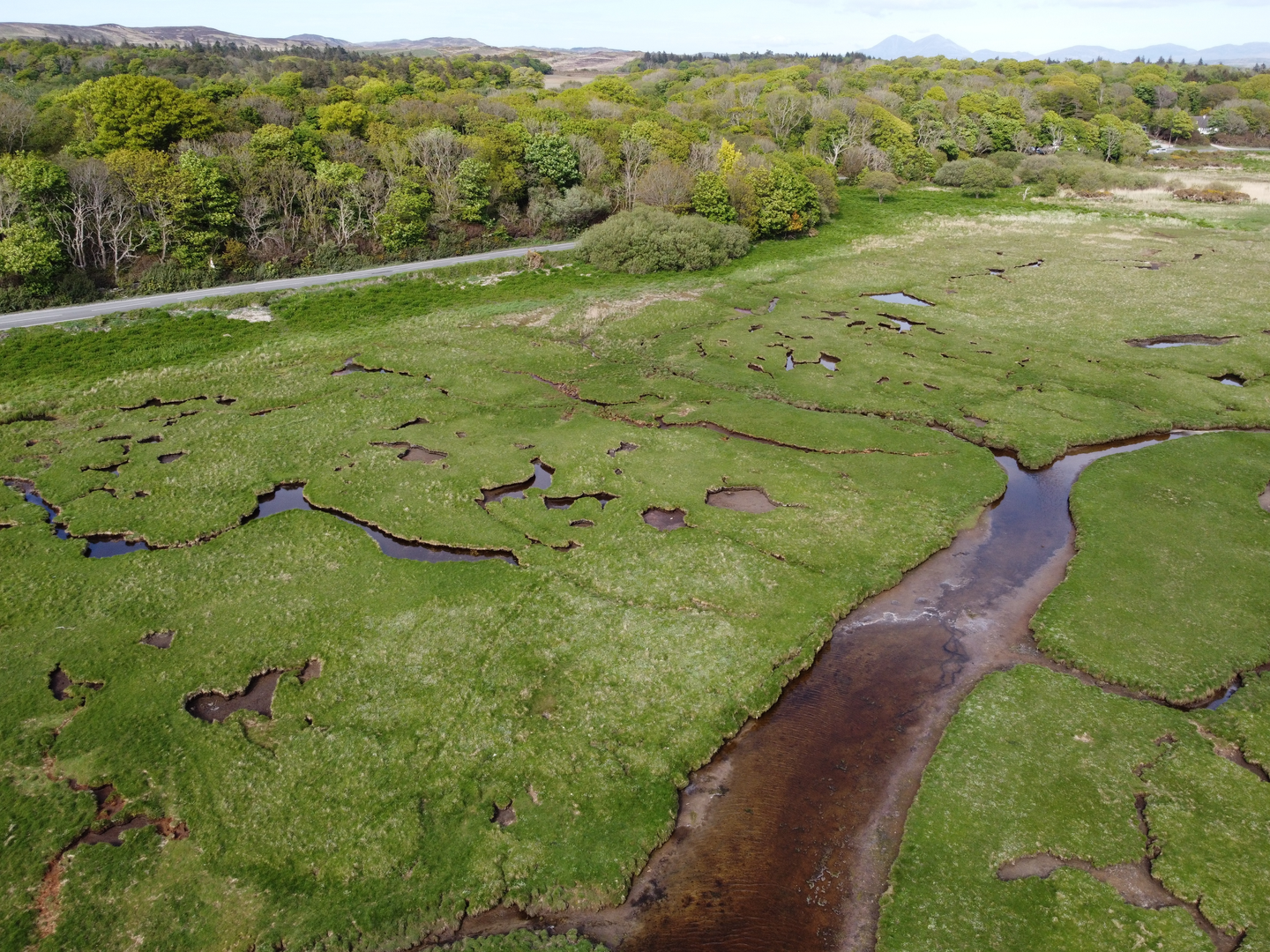
The scenery is defined by contrast rather than height: pale sand, dark water, rough grassland, and the low sculpted dunes of the peninsula. The beaches and dune systems are a major part of the appeal, and if visibility is good the offshore setting gives the walk a much bigger feel than its modest distance suggests. This is also a good route for hikers who enjoy quiet places; once beyond the road end, the peninsula feels notably secluded. (islayinfo.com)
Historical significance
The wider Ardnave and Loch Gruinart area has deep historical interest. Archaeological work on the Ardnave peninsula has identified prehistoric settlement, including a Late Neolithic to Early Bronze Age roundhouse dating to around 2000 BC. That makes this more than a scenic coastal walk: it is a landscape that has been used and inhabited for thousands of years. �
Surfaces
Unknown
Gravel
Comments and Reviews
User comments, reviews and discussions about the Port na Feamainn, Port Domhain and Ardnave Point Loop, Scotland.
average rating out of 5
0 rating(s)
