Download
Preview
Add to list
More
3.6 km
~57 min
138 m
Out and Back
“A compact Adirondack ramble with roots, rock, and glimpses of Giant’s dramatic wilderness character.”
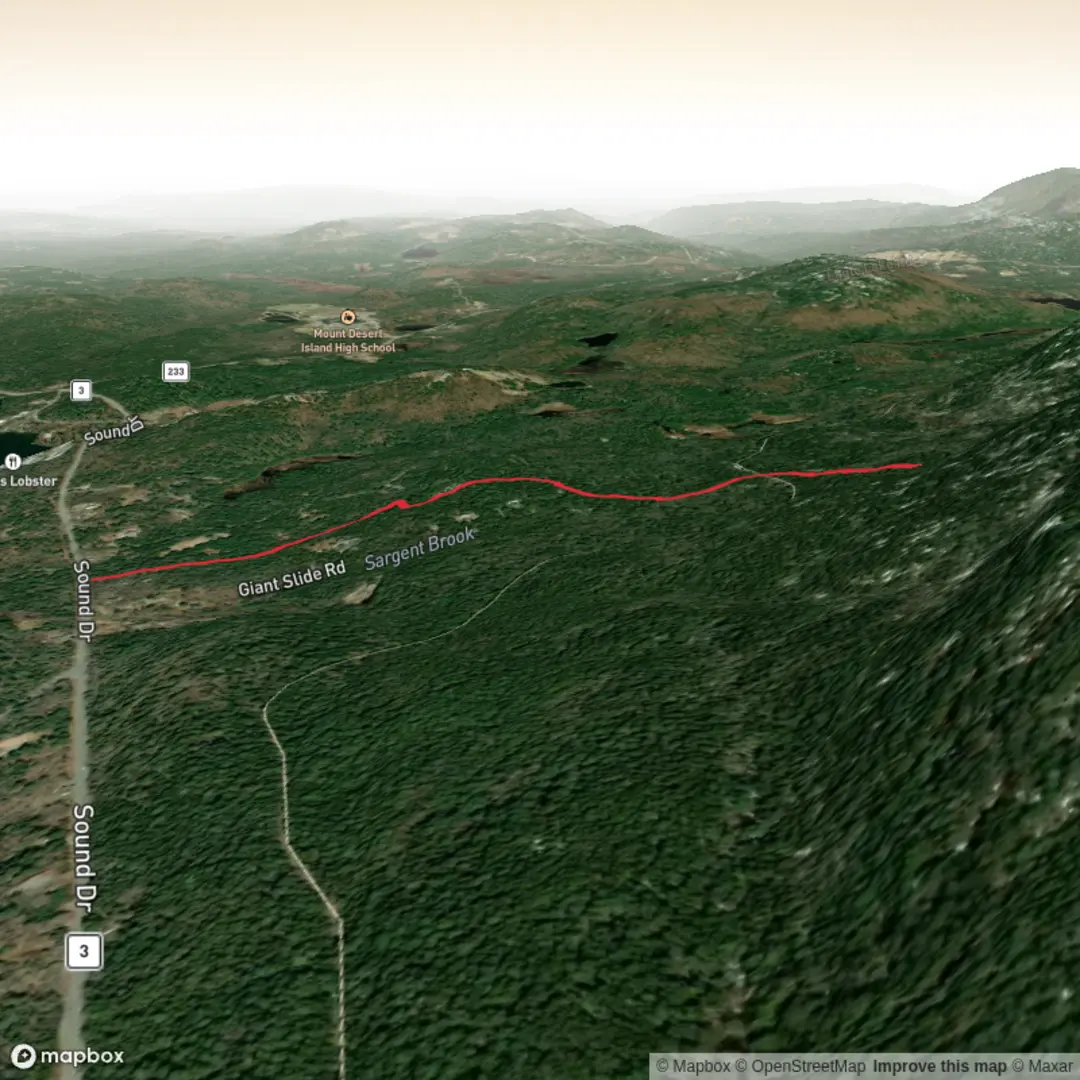
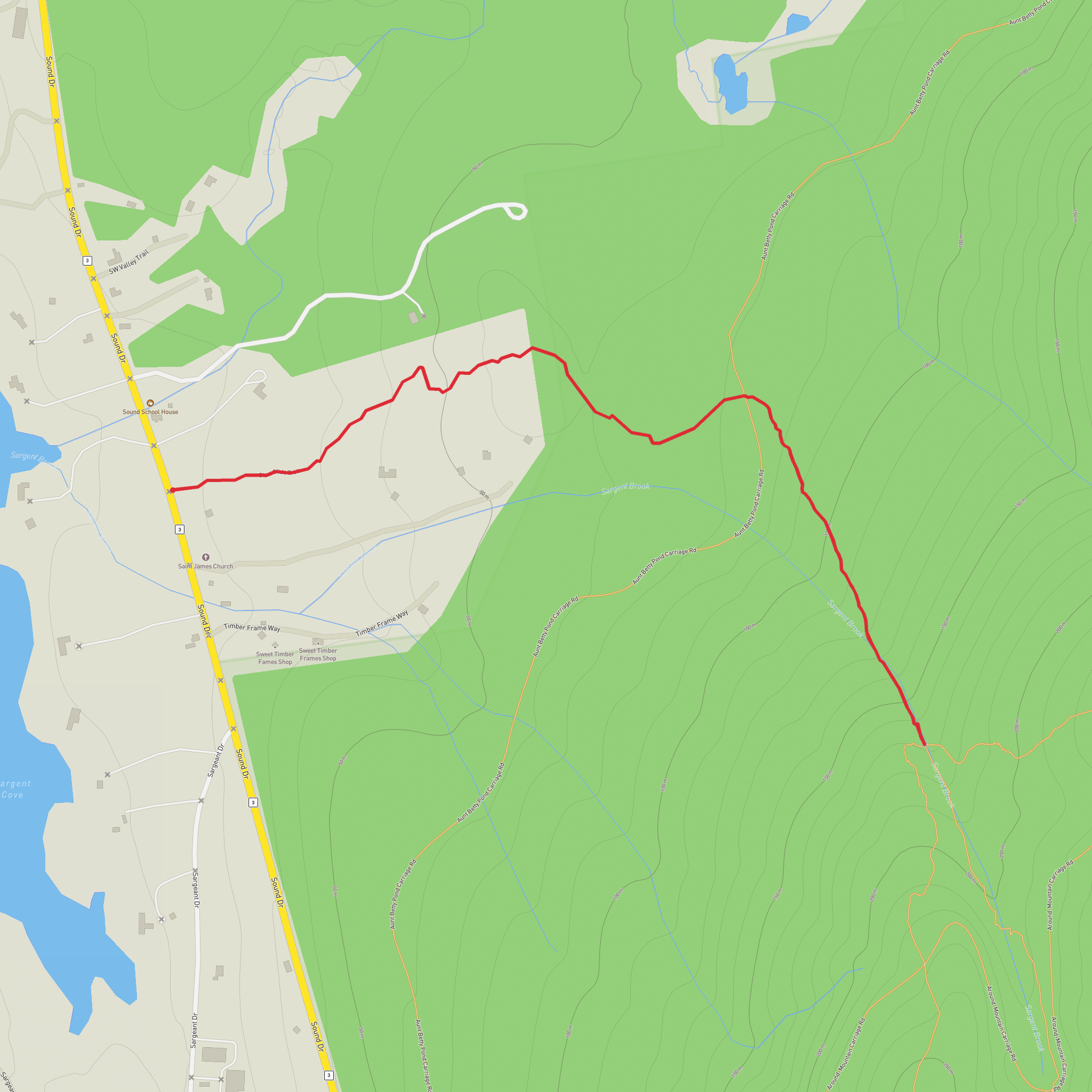
This short outing in the Giant Mountain Wilderness near Keene, New York, is best thought of as a compact Adirondack hike with a moderate feel rather than a long mountain day. At roughly 4 km round trip (about 2.5 miles) with around 100 m of elevation gain (about 330 feet), it suits hikers who want a taste of the Route 73 corridor’s rugged scenery without committing to a full High Peaks ascent. The nearest clear starting point for this route is the Giant Mountain Trailhead / Zander Scott Trailhead on NY Route 73 in the Town of Keene, about 6.0 miles north of Exit 30 on I-87. NYSDEC also identifies nearby Chapel Pond Parking Area just a little farther north on Route 73, a well-known landmark in the same hiking corridor. (dec.ny.gov)
From the trailhead, expect a classic eastern Adirondack footpath: roots, stone, short steeper pitches, and sections that can stay damp after rain. Even on a relatively short route, the terrain often feels more rugged than the mileage suggests, which is why a medium difficulty rating makes sense. A 4 km / 2.5 mile walk with only about 100 m / 330 ft of climbing can still demand steady footing here, especially where exposed rock, mud, or leaf cover hide uneven ground. Good trail shoes are usually enough in dry conditions, but after wet weather the rock can become slick and trekking poles can help with balance. For navigation, carrying the route in HiiKER is the simplest way to keep track of junctions and your turnaround point. (dec.ny.gov)
What the route feels like
The opening section is typically under mixed northern hardwood and conifer forest, with the trail climbing gently to moderately through a landscape shaped by Adirondack bedrock and glacial history. In this part of the park, even short trails often reveal the region’s character quickly: boulders tucked into the woods, shallow soils over anorthosite, and glimpses toward steep mountain walls above Route 73. If your route follows the lower Giant Slide Trail alignment rather than continuing toward Giant Mountain’s summit routes, the reward is usually a closer look at the terrain itself rather than a long summit panorama. Expect the path to alternate between packed earth, embedded stone, and occasional rougher scrambles where hands may be useful for balance, though not usually essential in dry conditions. (dec.ny.gov)
Because the hike is short, landmarks come fairly quickly. The broader Giant Mountain area is known for dramatic open rock, slide scars, and views over the Ausable and Champlain valleys. Even when a route does not reach the main summit, hikers are moving through one of the most visually striking mountain corridors in the Adirondacks. Keep an eye out for ledgy outcrops, erratic boulders, and breaks in the trees that hint at the larger ridgelines above. Chapel Pond, just off Route 73 nearby, is one of the area’s most recognizable natural landmarks and helps orient the landscape at the trailhead end of the hike. (dec.ny.gov)
Nature and wildlife
This part of the Adirondacks supports a mix of sugar maple, yellow birch, beech, hemlock, and spruce-fir communities depending on elevation and slope exposure. On a short hike like this, you are most likely to notice songbirds, red squirrels, chipmunks, and signs of larger mammals rather than the animals themselves. White-tailed deer are common at lower elevations, and black bears inhabit the wider region, though encounters on a brief daytime hike are uncommon. In warmer months, expect insects—especially mosquitoes and black flies in late spring and early summer—to be one of the more memorable features of the outing. In autumn, the hardwood color can be excellent, while shoulder-season conditions may bring wet leaves over rock, one of the more underestimated slipping hazards in the Adirondacks. (dec.ny.gov)
The Giant Mountain Wilderness is also ecologically sensitive. Staying on the established tread matters, particularly where thin soils and exposed rock make vegetation slow to recover. Muddy patches should be walked through, not around, to avoid widening the trail. NYSDEC specifically emphasizes Leave No Trace practices and area regulations for this wilderness.
Comments and Reviews
User comments, reviews and discussions about the Giant Slide via Giant Slide Trail, Maine.
average rating out of 5
0 rating(s)