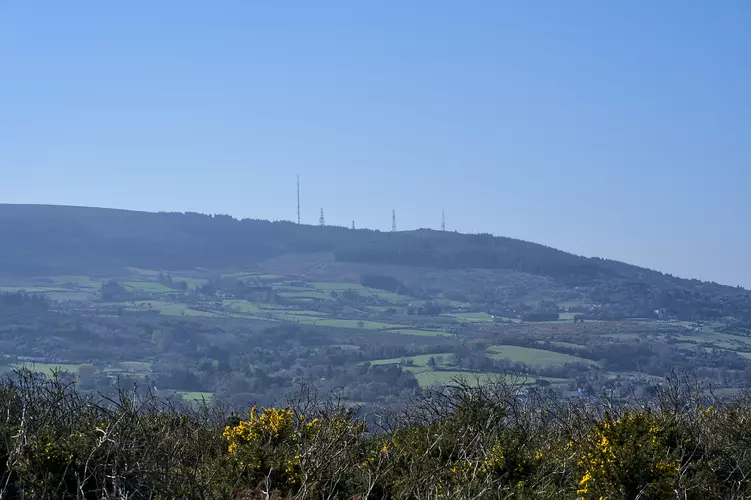
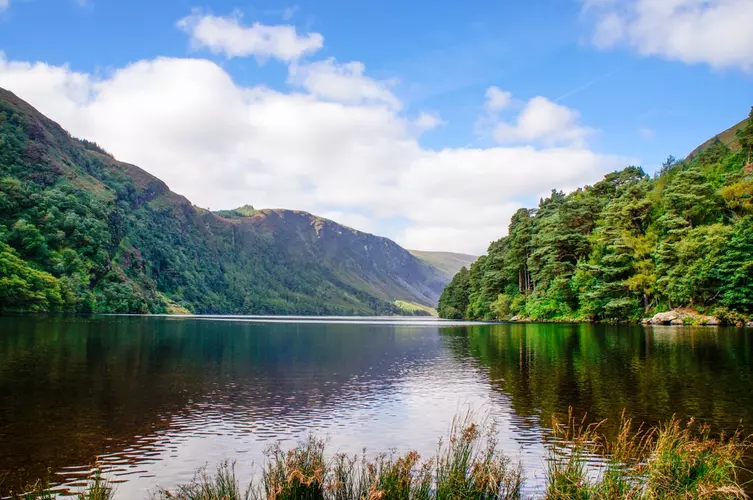
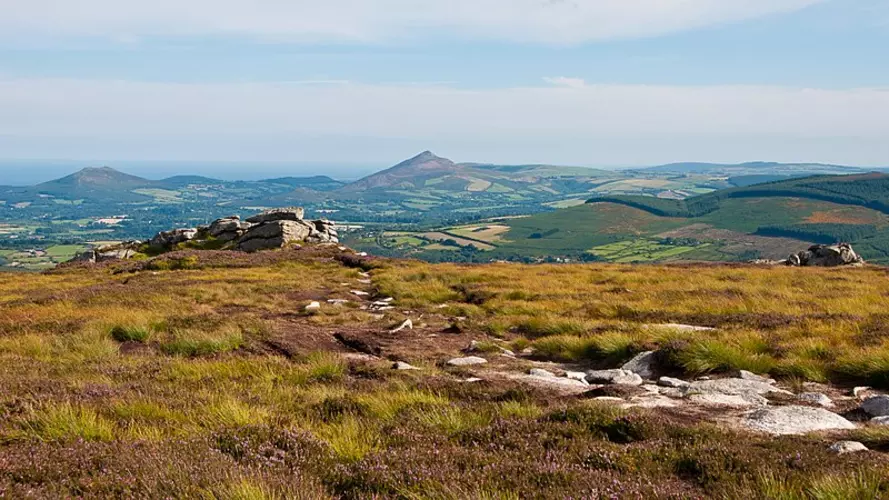
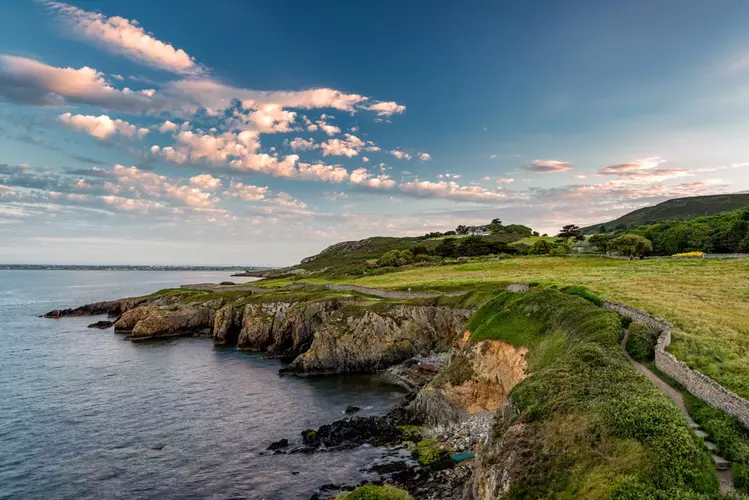
Best mountain views hikes in County Dublin
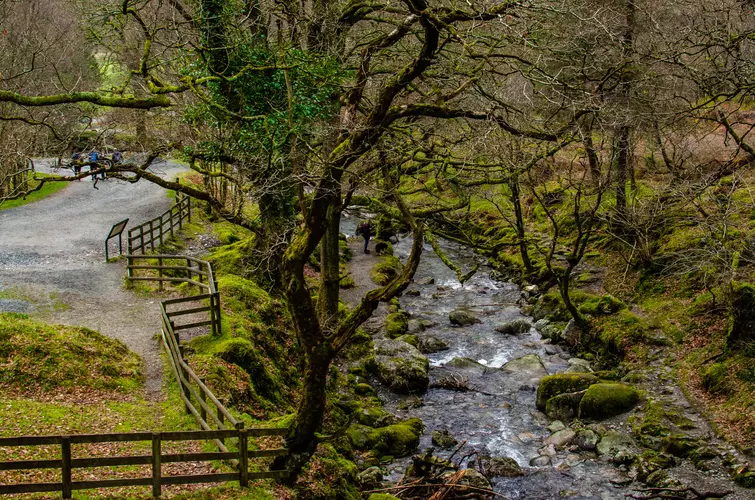
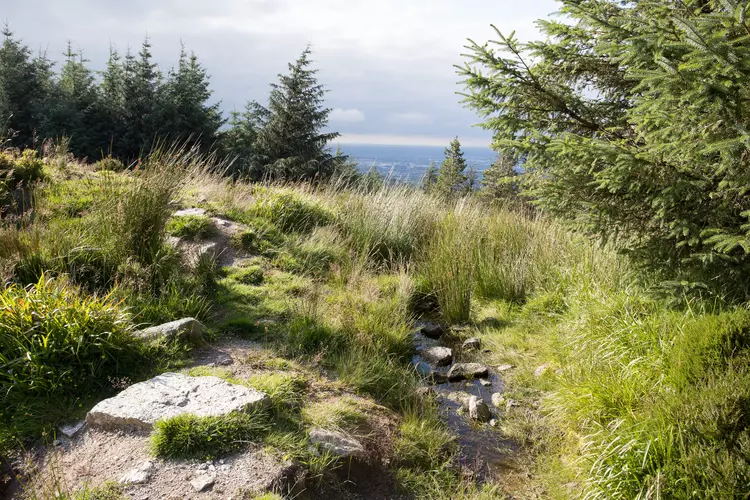
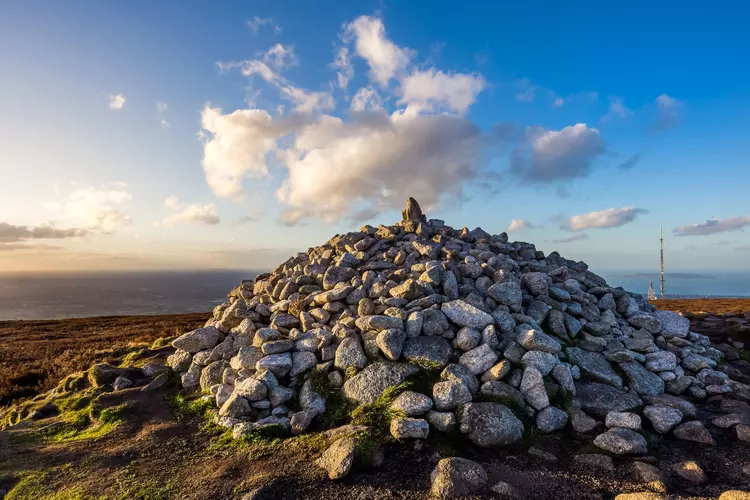
Why hike on flat land when you can conquer peaks? These hikes come with brag-worthy mountain views.
Here are some great hikes to explore in County Dublin.
Most popular hikes
Reviews for mountain views hikes in County Dublin

eoin hamilton · reviewed almost 5 years ago
Finally got to complete this trail. Overall it was amazing. Some long road sections but the epic views more than made up for it.

Iain Breen · reviewed about 2 years ago
I've recorded this trail! Part 1 - Shankill to Fairy Castle https://youtu.be/f2Ixi7rj7V0?si=nbVBLmfUiTi48nlY Part 2 - Fairy Castle to Glensamole Valley https://youtu.be/RQcrTKsivjA?si=cLqa7BDVzQlKpuiq The DMW was the first waymarked trail that I completed. I did it over 2 days - Shankill to Fairy Castle, and Fairy Castle to Tallaght. Transport for Day 1: handy public transport options. The Dart and Dublin Bus (145) service Shankill. There's a bus that only goes on weekdays from Glencullen to Dundrum after your obligatory pint and food in Johnnie Foxes! I recommend going past Glencullen on Day 1 and heading up to your well deserved views at Three Rock, before doubling back to Glencullen to exit. Transport Day 2: That weekday bus from Dundrum to Glencullen will get you right back, and you'll go all the way to the end in Tallaght, where you can get the Luas or Bus back to the city. Day 1 is lovely. The part from Shankill to Ballybetagh is great. Do be wary of the road section between Ballybetagh and Glencullen - it's long, there's no path, and some blind corners. However, the forests at Rathmichael, Carrickgollogan, Barnaslingan and Ballyedmunduff are incredible. Day 2 is a longer one,and has a frustrating mix of incredible mountain sections, gorgeous forests, and endless road sections! I don't recommend taking the spur to The Hellfire Club (unless you've never been) - it adds a bit more kms and time. Lots of downhill road sections heading towards Bohernabreena - this can be taxing on the knees, I'd recommend hiking poles here if you usually use them.

Natasha Isabelle · reviewed almost 5 years ago
Easy to follow - Interesting trail with a combination of forestry tracks, open moorland path and country lanes. Great views over to Dublin City, Dublin Bay and Wicklow mountains. Worst bit was the last km or so on quite a busy road, felt a little unsafe with no path.
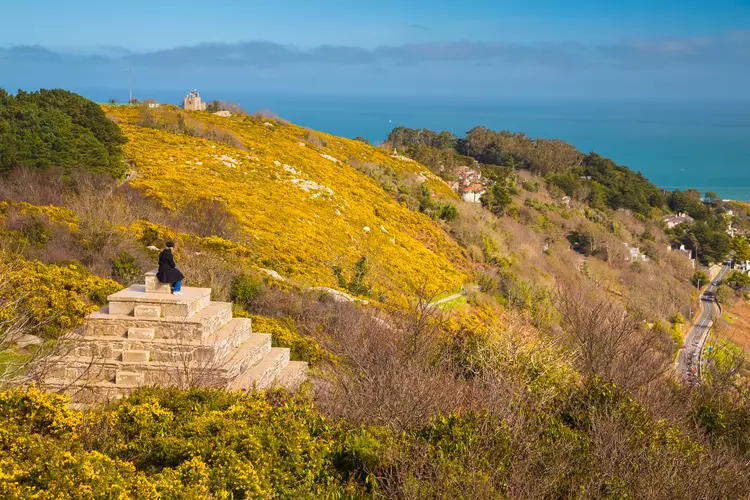
Dun Laoghaire to Killiney Hill Park Loop
Iain Breen · reviewed almost 3 years ago
Lovely loop for a clear summer's day. Perfect for a family day out and some snacks at the top of the hill.

WildwoodTracker97 · reviewed over 1 year ago
Lovely walk mainly uphill, would recommend. Beware it’s quite exposed, so might be preferable to do this loop when it’s not too windy. HiiKER app was great, hard to follow the maps/markings in tiknock without the app.
Frequently asked questions for hikes in County Dublin

Autumn (September to November) brings cooler temperatures and an increase in rainfall. However, it can be a beautiful time to hike in Ireland, as the landscapes transform with vibrant autumn colors. The weather can be unpredictable, so check forecasts and plan accordingly. Spring (March to May) offers similar conditions, with cool temperatures and occasional showers. It's a quieter time to explore the trails, and you can witness the country's lush vegetation come to life.
Winter (December to February) can be challenging for hikers due to shorter daylight hours, colder temperatures, and more frequent rain. However, some enthusiasts still enjoy winter hiking in Ireland, taking advantage of fewer crowds and the unique beauty of frost-covered landscapes. Safety is paramount during this season, so ensure you have appropriate gear and check local conditions before embarking on your adventure.
For more detailed climate information and to plan your hiking trips accordingly, you can visit Met Éireann, Ireland's National Meteorological Service: https://www.met.ie/
Remember to always prioritize safety and be prepared for changes in weather conditions, regardless of the season.


To learn more about Ireland's flora and identify specific species, resources like the National Biodiversity Data Centre provide valuable information and interactive guides: https://biodiversityireland.ie. Remember to respect and protect the natural environment by not picking or damaging any plants you encounter during your hikes, ensuring that future hikers can appreciate Ireland's diverse flora.

More hikes in County Dublin
by type
by activity