Search a hike or location

search
Best difficult hikes in Australia
Share:

Best difficult hikes in Australia

Got your game face on? These difficult hikes are designed for hikers who are looking for a serious adventure.

Here are some great hikes to explore in Australia.

Most popular hikes


Reviews for difficult hikes in Australia

dianne avatar

Bibbulmun Track

Dianne reviewed over 1 year ago

star star star star star

The Bibbulmun track is well marked and maintained. Loved the 4 days spent out there recently.


Jake Brown avatar

Heysen Trail

Jake Brown reviewed over 5 years ago

star star star star star


Victoria Conroy avatar

Grampians Peak Trail

Victoria Conroy reviewed over 5 years ago

star star star star star

So worth doing. I took 3 half days to complete, so I could enjoy the view and take a longer lunch stop


benedikt hein avatar

Hume And Hovell Track

benedikt hein reviewed over 4 years ago

star star star star star


Nath Britt avatar

Scenic Rim Trail

Nath reviewed over 1 year ago

star star star star star


Frequently asked questions for hikes in Australia
What is the climate like for hiking in Australia?

Australia's climate varies across its vast territory, so it's important for hikers to consider the seasonal weather conditions when planning a hike. In general, the best time to hike in Australia is during the cooler months of autumn (March to May) and spring (September to November). During these seasons, temperatures are milder, ranging from comfortable to warm, making hiking more enjoyable. https://climateknowledgeportal.worldbank.org/country/australia/climate-data-historical#:~:text=Australia%20is%20the%20driest%20of,8%C2%B0C%20in%20Tasmania.
Summer (December to February) can be extremely hot, especially in the central and northern parts of the country. Hiking during this time should be approached with caution, as high temperatures can pose risks of heat exhaustion and dehydration. It's crucial to carry sufficient water, wear appropriate sun protection, and plan hikes for the cooler parts of the day.
Winter (June to August) brings cooler temperatures, particularly in the southern regions of Australia. Hiking during winter may require warmer clothing and preparation for potential rain in certain areas. However, it can also offer clear skies and less crowded trails, particularly in mountainous regions.
For more detailed and region-specific information, it's advisable to consult local weather forecasts and visit the websites of relevant national parks, state forest agencies, or hiking organizations. These resources provide up-to-date information on trail conditions, safety guidelines, and any specific considerations based on the location of your hike.


Do I need a permit to hike in Australia?

When planning a hiking trip in Australia, it's important to be aware of any permits required for certain areas or activities. The permit requirements vary depending on the location and activities involved. National parks and protected areas are typically managed by state or territory agencies. Contact the relevant agency or visit their website for information on permits, fees, and regulations. It's advisable to obtain permits in advance to ensure compliance and a smooth hiking experience. Check the websites of the respective state or territory parks and wildlife agencies for detailed information on specific permits and regulations.
https://www.dcceew.gov.au/parks-heritage/national-parks/parks-australia/permits-licences-and-leases

Is wild camping allowed in Australia?

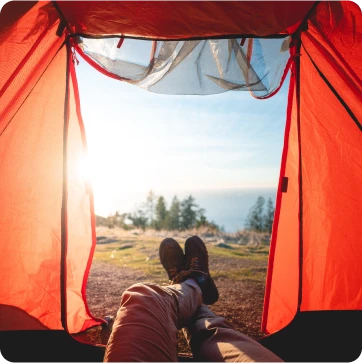
When it comes to wild camping in Australia, the regulations and legality vary across different regions. In many national parks and protected areas, camping is allowed only in designated campsites. It's important to research and understand the rules and restrictions for the specific area you plan to hike in. Contact the relevant state or territory parks and wildlife agencies or visit their websites for up-to-date information on camping regulations and guidelines. It's advisable to obtain necessary permits and follow Leave No Trace principles to minimize your impact on the environment.
https://australianhiker.com.au/advice/wild-camping-for-hikers/


Are there mountain rescue services in Australia?

In the event of an emergency while hiking in Australia, it's important to know who to contact for assistance. In case of a mountain rescue or any emergency situation, dial emergency services at 000. State emergency services, local police, and ambulance services are available for immediate assistance. It's advisable to inform someone about your hiking plans and carry a means of communication, such as a mobile phone, in case of emergencies.
https://www.amsa.gov.au/safety-navigation/search-and-rescue

Are there dangerous plants in Australia?

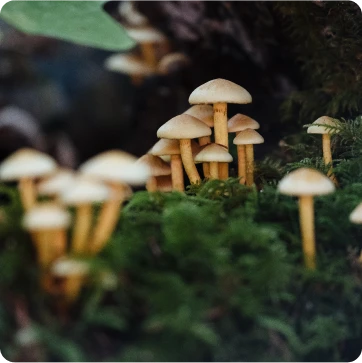
When hiking in Australia, hikers can expect to encounter a diverse range of flora across the country's varied landscapes. Eucalyptus trees are iconic and can be found throughout the country, along with other native trees like acacias and banksias. Different regions showcase unique plant species, such as the striking wildflowers of Western Australia or the rainforest vegetation in Queensland's Daintree National Park. To learn more about Australia's flora and the specific regions where they thrive, consult resources such as the Australian Native Plants Society (https://anpsa.org.au/) or the Atlas of Living Australia (https://www.ala.org.au/).


What wildlife should I be aware of when hiking in Australia?

While hiking in Australia, hikers may encounter a diverse array of insects and animals in the country's natural habitats. Expect to see kangaroos, wallabies, koalas, and a variety of bird species like cockatoos and kookaburras. Be cautious of venomous snakes and spiders, particularly in more remote or bushland areas. The Australian Museum's website (https://australian.museum/) provides information on the country's fauna and tips for wildlife encounters.