Best extra difficult hikes in Arizona
Only the bravest need apply! These extra-difficult hikes are not for the faint of heart.
Here are some great hikes to explore in Arizona.
Most popular hikes
Reviews for extra difficult hikes in Arizona





Frequently asked questions for hikes in Arizona
Arizona's climate varies across the state, so hikers should consider the seasonal weather conditions when planning their trips. In summer (June to August), temperatures can soar well above 100 degrees Fahrenheit, posing heat-related risks. Spring (March to May) and autumn (September to November) offer milder temperatures, making them ideal for hiking. Winter (December to February) brings cooler temperatures, but lower elevations can still be suitable for hiking.
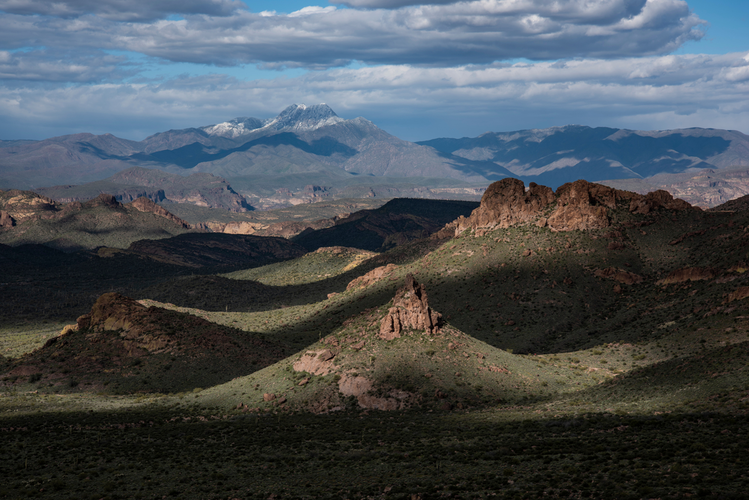
The best time to hike in Arizona is generally during the spring and autumn months when temperatures are more moderate. Spring offers pleasant weather and blooming desert landscapes, making it a popular time to explore trails like the Superstition Mountains or Saguaro National Park. Autumn provides cooler temperatures and the chance to witness stunning fall foliage in northern regions like Flagstaff and Sedona. Winter can be a good time for hiking in lower elevations like Phoenix and Tucson, but higher elevations may experience snow and require additional precautions.
To plan your hiking trips in Arizona, consult resources like the National Weather Service (https://www.weather.gov/), which provides regional forecasts and weather warnings. Additionally, visit the websites of Arizona State Parks (https://azstateparks.com/) and the National Park Service (https://www.nps.gov/state/az/index.htm) for information on trails, permits, and safety guidelines specific to each park or recreational area.
When planning a hiking trip in Arizona, it's important to be aware of any permits required for certain areas or activities. The agencies and organizations responsible for managing permits vary depending on the location. Contact the specific agency or visit their website for information on permits, fees, and regulations. It's advisable to obtain permits in advance to ensure compliance and a smooth hiking experience. Check the Arizona State Parks website (https://azstateparks.com/) and the website of the U.S. Forest Service (https://www.fs.usda.gov/) for detailed information on specific permits and regulations.
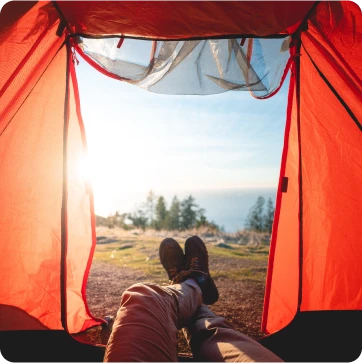
When it comes to wild camping in Arizona, it's important to be aware of the regulations and restrictions. In general, camping outside of designated campgrounds is not permitted in many areas. However, some national forests and public lands allow dispersed camping with specific guidelines. Check with the relevant land management agencies, such as the U.S. Forest Service (https://www.fs.usda.gov/) and the Bureau of Land Management (https://www.blm.gov/), for information on specific areas where dispersed camping is allowed and any restrictions that may apply. Practice Leave No Trace principles and be respectful of the environment and private property.

In the event of an emergency while hiking in Arizona, it's important to know who to contact for assistance. In case of a mountain rescue or any emergency situation, dial emergency services at 911. Local law enforcement agencies, as well as search and rescue teams, are available to provide assistance. It's advisable to inform someone about your hiking plans and carry a means of communication, such as a mobile phone, in case of emergencies. https://dema.az.gov/emergency-management/emergency-management/response-branch/search-and-rescue

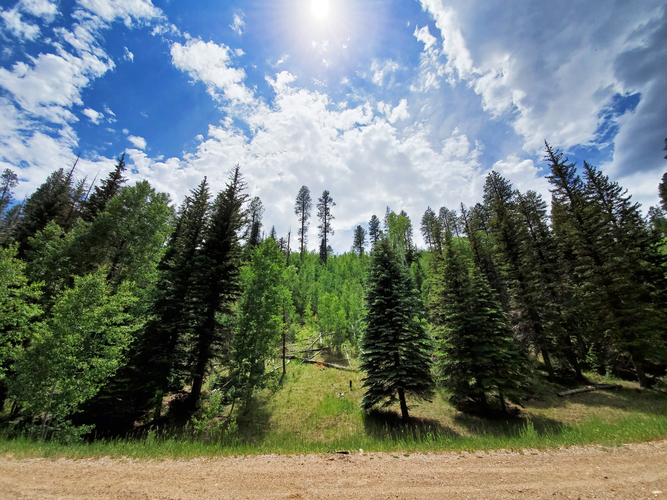
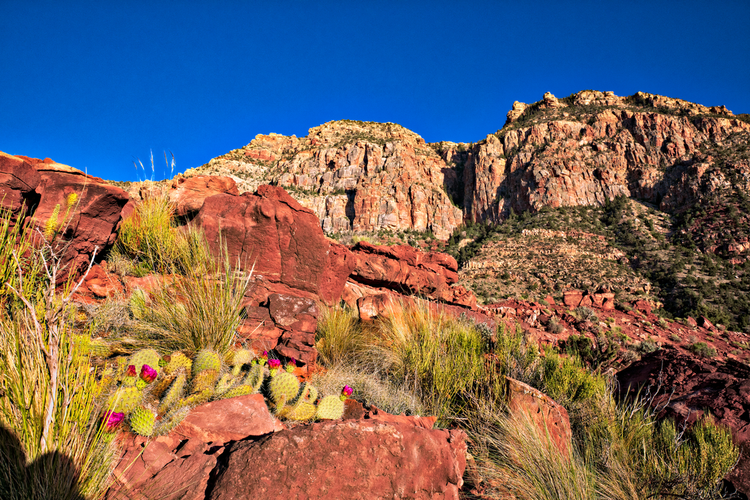
When hiking in Arizona, hikers can expect to encounter a diverse range of flora across the state's landscapes. In the Sonoran Desert, iconic saguaro cacti dominate the scenery, alongside other desert plants like barrel cacti and ocotillos. In higher elevations, pine forests and aspen groves can be found, while riparian areas host cottonwood and willow trees. To learn more about the flora of Arizona, consult resources such as the Arizona Native Plant Society (https://aznps.com/) or the Arizona-Sonora Desert Museum (https://www.desertmuseum.org/).

While hiking in Arizona, hikers may encounter a variety of insects and animals in the state's natural habitats. Look out for reptiles like lizards, snakes (including rattlesnakes), and Gila monsters. Mammals such as mule deer, javelinas, and coyotes inhabit the diverse landscapes. Birds like roadrunners and various species of hummingbirds are common. The Arizona Game and Fish Department (https://www.azgfd.com/) provides information on wildlife species and their habitats in Arizona.
More hikes in Arizona
by difficulty
by type