





Best bird watching hiking trails in Kittitas County
Birdwatchers rejoice! These trails are teeming with avian life, offering plenty of opportunities to spot rare birds and fill your heart (and binoculars) with joy.
Here are some great trails to explore in Kittitas County.
Most popular trails
Reviews for bird watching hiking trails in Kittitas County





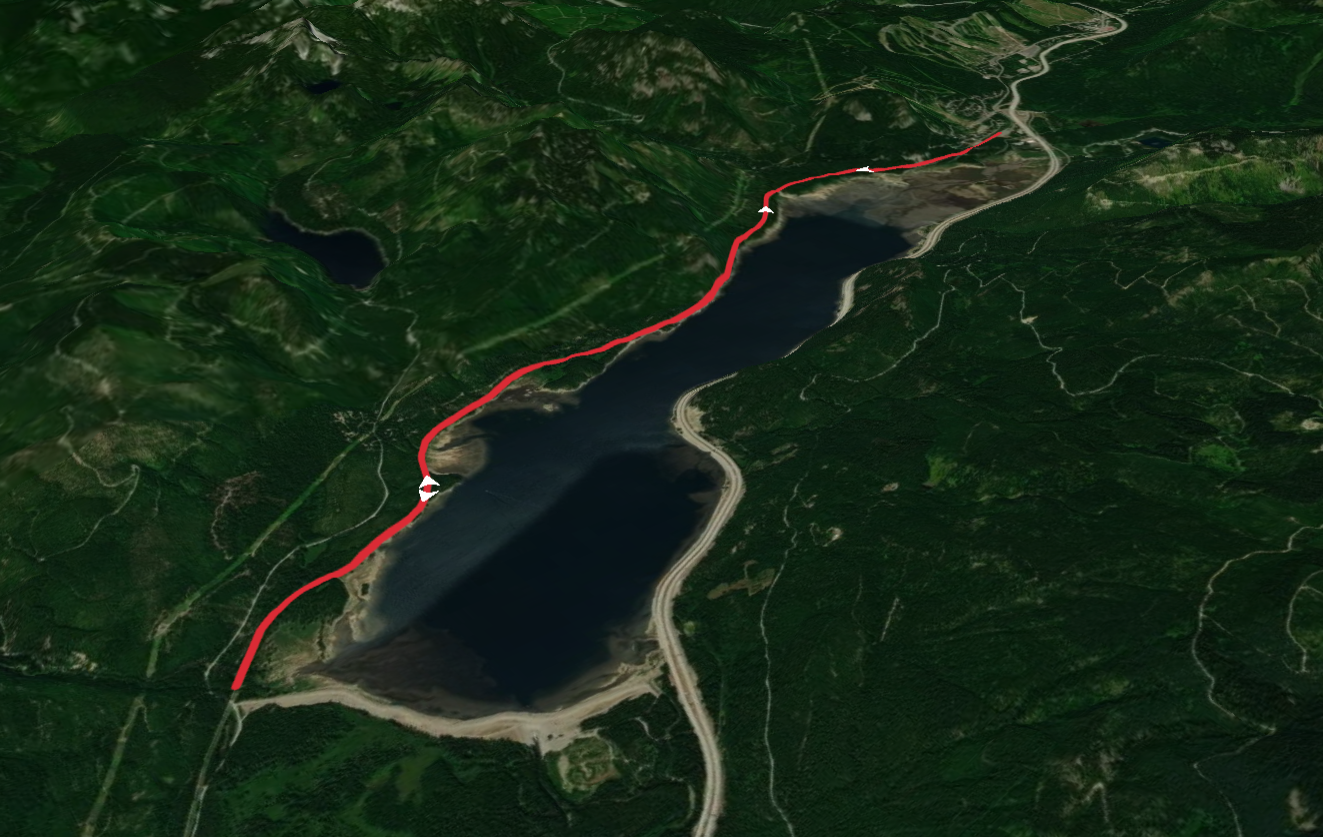
Palouse to Cascades State Park Trail westside of Keechelus Lake
StriderHavenranger69 · reviewed about 1 year ago
Frequently asked questions for hiking trails in Kittitas County

In Washington, spring brings pleasant temperatures for hiking, though trails can be wet. Come summer, east Washington can be hot while west remains moderate. Fall brings stunning colors, cool temperatures, and drier trails. Winter is challenging with snowy conditions. Check Washington Trails Association for seasonal hiking suggestions.

In Washington, some hiking areas require permits. Check with specific land management agencies like National Park Service or US Forest Service for requirements. Wilderness permits can often be obtained at trailheads or ranger stations. The https://www.wta.org/go-outside/passes provides comprehensive permit information.

Wild camping, or dispersed camping, is permitted in certain areas of Washington, often requiring permits. Be sure to follow Leave No Trace principles and restrictions regarding fire safety, waste disposal, and distance from water bodies. Visit the US Forest Service for details.

In Washington, dial 911 for mountain emergencies, they'll alert the appropriate services. This often involves volunteer organizations like Seattle Mountain Rescue. Before hiking, ensure you have adequate insurance as rescues can be costly. More information at the Seattle Mountain Rescue website.

Washington's diverse flora is impressive for hikers. Expect western hemlock, Douglas fir, and salal in coastal regions. The alpine areas have subalpine fir, heather, and lupine. Forests transition into sagebrush in the arid eastern region. For detailed knowledge, refer to Washington Native Plant Society.

From coastal to alpine environments, Washington's diverse fauna presents black bears, cougars, deer, and unique birds like bald eagles. Along trails, watch for insects like mosquitoes and ticks. Safe wildlife practices are essential, refer to the Washington Department of Fish & Wildlife.
More trails in Kittitas County
by difficulty
by type