




Best moderate hiking trails in Vermont
Ready for a bit more of a challenge? These medium-difficulty trails offer the perfect balance between effort and reward...
Here are some great trails to explore in Vermont.
Most popular trails
Reviews for hiking trails in Vermont




Frequently asked questions

Vermont's climate varies greatly by season, making it a versatile hiking destination. Spring sees moderate rainfall and temperatures, ideal for those who prefer cooler hikes. Trails can be muddy, though, so waterproof gear is recommended.
Summers are warm and lush with temperatures typically in the 70s-80s Fahrenheit, attracting the most hikers. Hydrate well and carry bug repellent.
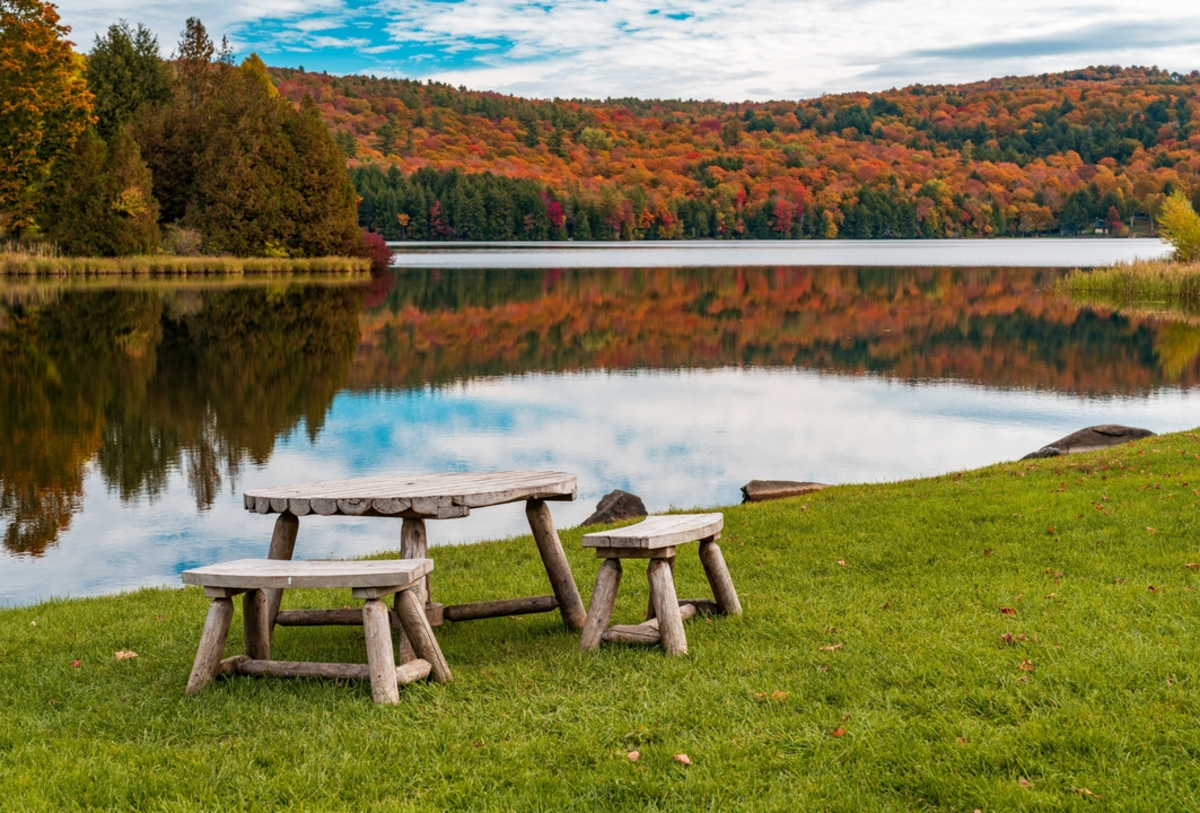
Fall offers beautiful foliage and cooler temperatures, making it a favorite among hikers. Winter hikes are possible but demand extra precautions due to snow and ice. Consider guided tours or snowshoeing options (https://www.whatstheweatherlike.org/united-states-of-america/vermont/).

In Vermont, most hiking trails do not require permits. However, for overnight stays in the Green Mountain Club’s huts and shelters along the Long Trail, a fee is expected. It's recommended to check with the Green Mountain Club (https://www.greenmountainclub.org/) or local authorities for specific areas.

Wild camping is generally allowed in Vermont's national forests, provided you follow Leave No Trace principles and camp 200 feet from trails and water sources. It's always recommended to check local regulations as certain areas might have restrictions. Visit the U.S. Forest Service website (https://fpr.vermont.gov/recreation/activities/camping/primitive-camping#:~:text=Camping%20must%20be%20at%20least%20200%20feet%20from%20any%20trail,in%20order%20to%20primitive%20camp.) for more details.

In case of hiking emergencies in Vermont, the primary contact is the local 911 service. For non-emergencies, the Vermont Department of Public Safety (https://dps.vermont.gov/) provides resources. Always let someone know your hiking plan and be prepared with appropriate gear and knowledge.

Vermont is known for its diverse flora. Deciduous forests dominate the landscape, with species like maple, birch, and beech. Alpine zones feature rare plants like Alpine Bilberry. Visit Vermont Department of Forests, Parks & Recreation's page for more (https://fpr.vermont.gov/). Always remember to leave no trace.

In Vermont, hikers might encounter white-tailed deer, foxes, and even moose. Be aware of black bears and their safety guidelines. Insect-wise, be prepared for ticks and mosquitoes. The Vermont Fish and Wildlife Department (https://vtfishandwildlife.com/) provides information and updates about local wildlife. Always maintain respectful distance.