
Download
3D Flyover
Add to list
More
2.3 km
~29 min
19 m
Loop
“A gentle, level loop of oaks and exhibits—made for slow strolling, curious pauses, and easy wandering.”
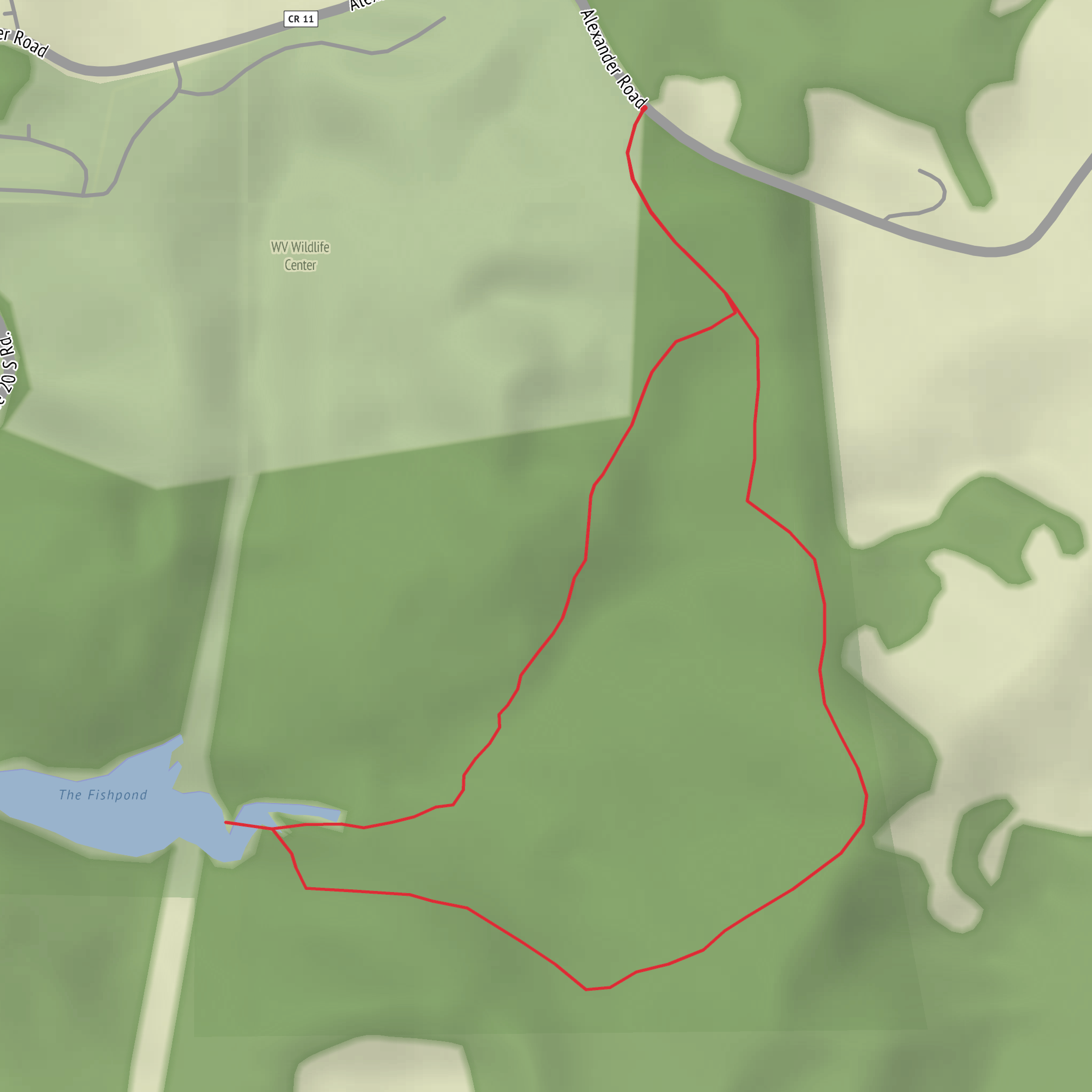
Old Oak Trail and the Main Exhibit Trail make for a short, flat wander of roughly 2 km (1.2 mi) with essentially 0 m (0 ft) of climbing—ideal for a relaxed walk, families, or anyone looking for an easy nature-and-interpretation loop. Expect wide, well-used paths, frequent junctions, and plenty of “stop-and-look” moments rather than any sustained physical challenge.
Before I can convert the start location to the nearest address/landmark, I need the missing start-point details: your “Hike head: near …” line is incomplete. If you paste either a latitude/longitude, a Google Maps pin, or the park/site name, I’ll translate it to the nearest known address or notable landmark and tailor the directions precisely.
Getting to the trailhead (what to plan for)
Until I have the exact “near …” location, here’s the practical approach that works for most short exhibit/nature trails in parks and preserves:
- By car: Plan to arrive at the main visitor center / exhibit parking area (often the most reliable access for “Main Exhibit” style trails). Look for signed parking for exhibits, nature center, or interpretive area. Bring a small amount of cash/card if the site uses day-use fees.
- By public transport: If the site is within a town/city park system, the closest stop is usually at the park entrance road or visitor center. From there, expect a short walk on sidewalks or a park access road to the trailhead kiosk.
Once you share the location, I’ll identify the nearest stop and the simplest walking connection.
What the walk feels like underfoot
With negligible elevation change, the main variables are surface and crowding: - Surfaces are commonly packed dirt, fine gravel, boardwalk, or paved segments near exhibits. - After rain, flat trails can hold water in low spots—watch for slick mud, algae on boardwalk edges, and puddles that hide uneven footing. - Because it’s short and easy, expect more two-way traffic (families, school groups). Keep right and anticipate sudden stops at signs.
Landmarks and points of interest along the way
On a paired “Old Oak” + “Main Exhibit” route, the highlights typically come in two flavors:
- Old-growth or heritage oak features: You’ll likely pass one or more prominent oaks—look for interpretive signage about tree age, canopy ecology, acorn production, and the role oaks play as a keystone species (supporting insects, birds, and small mammals).
- Interpretive nodes: The Main Exhibit Trail usually strings together short spurs or stations—think habitat displays, historical panels, or geology/soil explanations. These areas are where people bunch up, so it’s a good place to pause off to the side.
If you want, I can format the route as a simple “at ~0.3 km / 0.2 mi you reach…, at ~0.8 km / 0.5 mi…” sequence once you provide the start point or a map/track.
Nature and wildlife to look for
Even on a 2 km (1.2 mi) flat loop, you can see a lot—especially if the trail edges include oak woodland, meadow, or riparian plantings:
- Birdlife: Listen for woodpeckers and songbirds working the oak canopy; edges near open areas often attract hawks and swallows.
- Small mammals: Squirrels and chipmunks are common around oaks (acorns are a major food source). In quieter corners you may spot rabbits.
- Reptiles/amphibians (seasonal): Flat, sunny trail margins can draw basking lizards; damp shaded pockets may have frogs or salamanders depending on region.
- Plants: Watch for oak seedlings, understory shrubs, and seasonal wildflowers. If the exhibit area includes restoration plantings, signage often points out native species and invasive-control efforts.
Practical wildlife cautions: - Keep an eye out for ticks in grassy edges and leaf litter; long socks and a quick post-walk check help. - In warmer months, give any snakes space if you encounter them sunning near the trail edge. - Don’t feed wildlife—exhibit areas can make animals unusually bold.
Navigation and timing
Because this is short and junction-heavy, it’s easy to wander onto spurs and still be “on a trail,” just not the intended one. Use HiiKER to: - Confirm you’re following Old Oak Trail and then linking to Main Exhibit Trail (or vice versa), - Check for short connectors that turn the walk into a loop, - Estimate time: most hikers will take 30–60 minutes depending on how long they spend at signs and exhibits.
Historical significance (what’s commonly interpreted here)
“Main Exhibit” trails often highlight one or more of the following themes; once you share the exact location, I’ll align this to the site’s real history: - Indigenous land stewardship: Many oak landscapes were shaped by long-term human management (including cultural burning and selective harvesting). - Settlement-era land use: Grazing, logging, or farming often altered oak regeneration; exhibits may explain how the landscape changed and what restoration looks like today. - Conservation and education: Exhibit trails are frequently part of a broader effort to protect habitat while making it accessible for schools and visitors.
What to bring for a 2 km / 1.2 mi easy walk
- Comfortable walking shoes (traction matters more than support on flat routes)
- Water (even short walks feel longer in
Comments and Reviews
User comments, reviews and discussions about the Old Oak Trail and Main Exhibit Trail, West Virginia.
average rating out of 5
0 rating(s)
