
Download
3D Flyover
Add to list
More
6.0 km
~1 hrs 30 min
184 m
Out and Back
“A lakeside ramble of roots, rocks, and quiet overlooks—best savoured with sure footing and curiosity.”
I’m missing a few key specifics needed to describe the right “North Lake Trail” (there are multiple trails with that name in the U.S. and elsewhere), and your start location line is incomplete (“Hike head: near …”). If you share any one of the items below, I can convert coordinates to the nearest landmark/address, give accurate access notes, and tailor landmarks/wildlife/history to the correct region:
- A HiiKER link, or
- The state/park/town (e.g., “North Lake Trail, near Bishop, CA”), or
- A pin: latitude/longitude for the trailhead, or
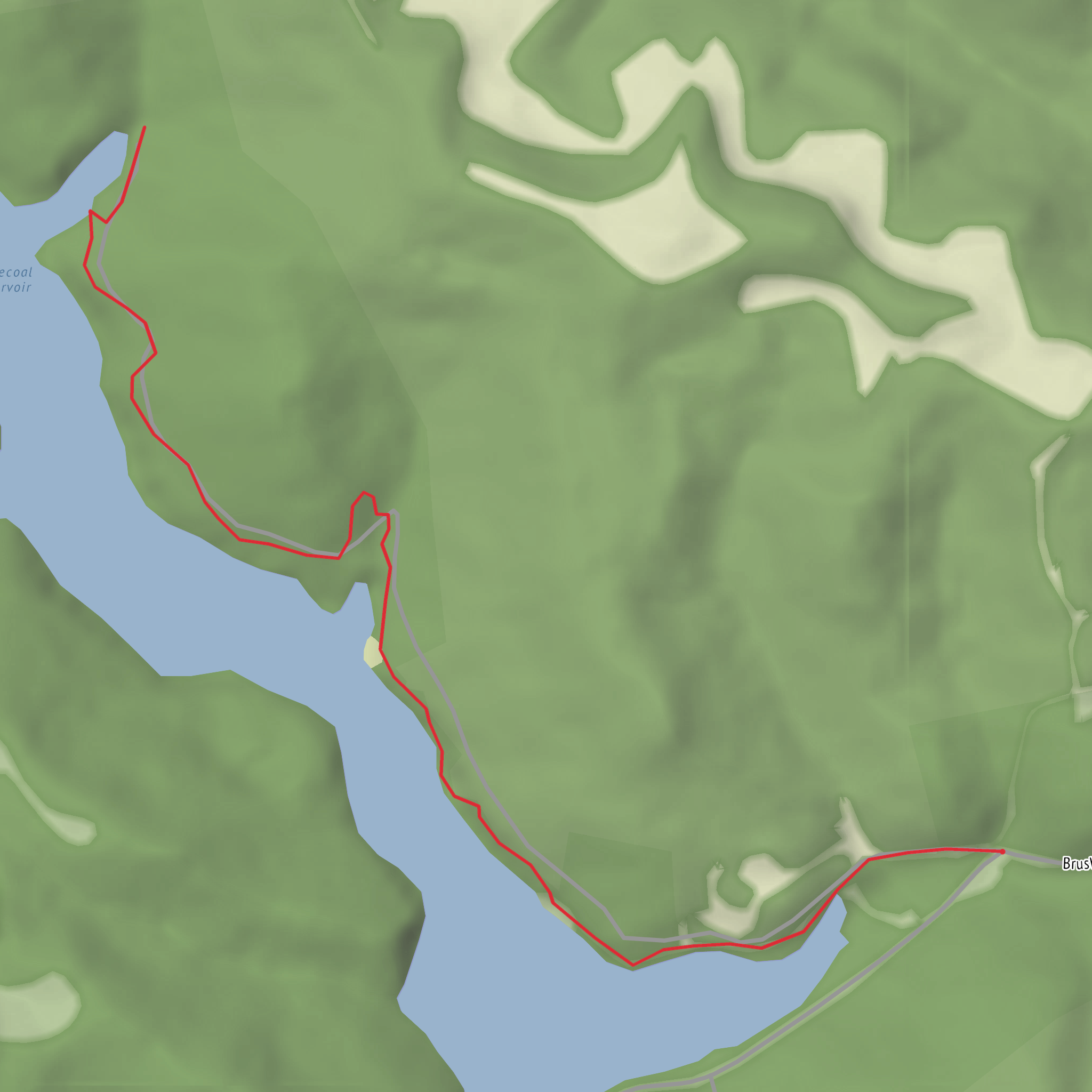
- A map screenshot of the route.
While you grab that, here’s a planning-ready description that matches your stated stats (≈ 6 km / 3.7 mi, ≈ 200 m / 656 ft gain) and a typical “medium” North American lake-loop/out-and-back profile. Once you confirm the location, I’ll swap in the correct trailhead landmark/address, exact access, and region-specific wildlife/history.
You’ll usually start from a signed trailhead pullout or small parking area near a lake access road. Expect a steady warm-up climb right away: over the first 1–1.5 km (0.6–0.9 mi) you’ll typically gain 60–100 m (200–330 ft) on a well-defined path that may be packed dirt with roots and short rocky steps. The grade tends to ease after that, transitioning into rolling terrain with brief punchy rises that add up to the remaining elevation gain.
Underfoot, plan for a mix of firm singletrack and short sections of loose gravel or embedded rock. After rain, shaded stretches can hold mud; in shoulder seasons, north-facing pockets may keep slick frost or lingering snow. Even on a 6 km route, bring traction awareness: the “medium” rating often comes from uneven footing and a couple of steeper pitches rather than sheer distance.
Terrain, landmarks, and what to watch for
Around 2–3 km (1.2–1.9 mi) in, many North Lake–style routes reach their most scenic stretch: shoreline views, a small inlet/creek crossing, or a low ridge above the water. If there’s a footbridge, it can be narrow and slippery when wet; if it’s a rock-hop crossing, expect higher water in spring and after storms—test each step and avoid jumping with a loaded pack.
Look for natural “waypoints” that help you stay oriented: a prominent point on the shoreline, a signed junction, a boardwalk through wet ground, or a viewpoint spur. If the trail is a loop, the far side often feels quieter and more enclosed, with denser vegetation and fewer open views—this is where people most commonly miss subtle turns. Use HiiKER to confirm junctions and keep an eye on distance-to-next-turn so you don’t drift onto social paths near the water.
If the route climbs to a low overlook (common on medium lake trails), the high point is often modest—roughly +200 m / +656 ft total gain spread across the hike—yet it can be breezy and cooler than the trailhead. Pack a light layer even on warm days.
Nature and wildlife
Without the exact region, the most reliable expectations for a lake trail are: - Birdlife: waterfowl (ducks, geese), songbirds in the trees, and raptors riding thermals above open water. Early morning is best for activity. - Mammals: deer are common in many lake basins; smaller mammals (squirrels, chipmunks) are frequent near picnic areas and viewpoints. - Bugs: mosquitoes and biting flies can spike near shoreline vegetation and marshy inlets, especially late spring through summer—bring repellent and consider long sleeves. - Wildlife safety: keep food secured and don’t feed animals. If you’re in bear country (many North Lake Trails are), carry food in an odor-resistant bag and follow posted guidance.
Vegetation typically shifts subtly with elevation: drier, more open forest near the start (or vice versa depending on aspect), then thicker lakeside growth—willows/alder in wetter pockets, and wildflowers in sunny clearings during bloom season.
Historical significance (what’s commonly relevant around “North Lake” regions)
Many North American lake corridors sit within landscapes shaped by: - Indigenous stewardship and travel routes: lakes and ridgelines often align with long-used seasonal pathways and gathering areas. - Logging/mining/recreation eras: old grades, cut stumps, or unusually straight “bench” sections of trail can reflect historic access routes later adapted for hiking. - Conservation and park development: trail signage, stonework, or early campground infrastructure may date to 20th-century recreation programs.
Once you tell me the exact location, I’ll replace this with the specific Indigenous nations connected to the area and any documented local history (e.g., historic roads, former settlements, notable events).
Getting to the trailhead (car + public transport)
By car: Most 6 km lake trails start from a small lot or roadside pullout. Arrive early on weekends—parking is often the limiting factor. Expect: - Narrow access roads near the lake (watch for pedestrians and cyclists). - Seasonal closures or gate hours in some parks/forests. - Limited services at the trailhead—download your HiiKER map for offline use before you lose signal.
By public transport: Many lake trailheads are not directly served. A common approach is: - Bus/train to the nearest town, then a local taxi/rideshare to the trailhead, or - A
Comments and Reviews
User comments, reviews and discussions about the North Lake Trail, West Virginia.
average rating out of 5
0 rating(s)
