
Download
3D Flyover
Add to list
More
5.4 km
~1 hrs 32 min
270 m
Out and Back
“Climb through Adirondack evergreens to a breezy rock crown, where small steps earn big views.”
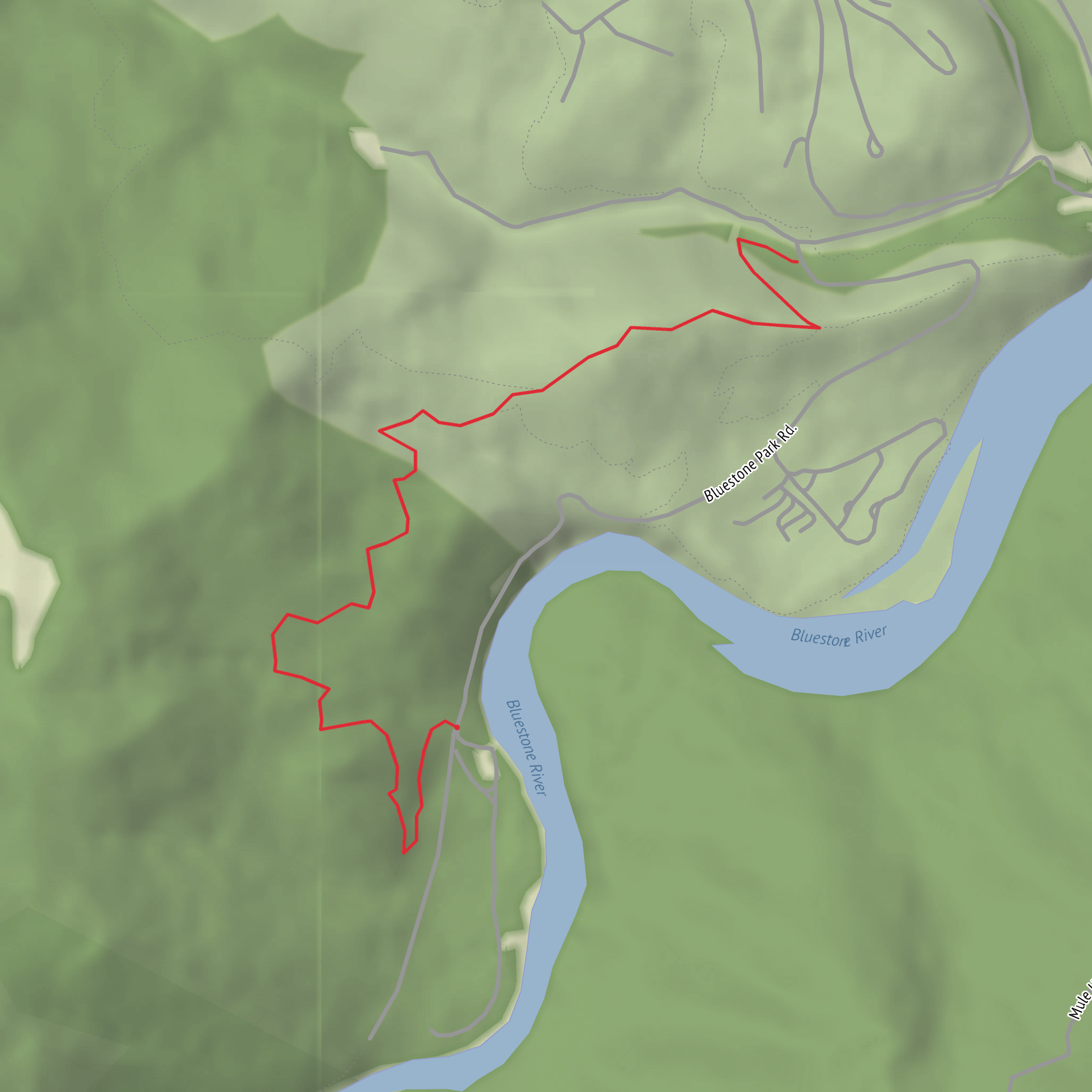
A steady, medium-effort climb through classic Adirondack forest leads to a compact summit with outsized views—one of those short hikes where the elevation gain (about 300 m / ~985 ft) is the main event, packed into roughly 5 km / ~3.1 mi round trip. Expect a well-used footpath, a few steeper pitches that will get your heart rate up, and a rewarding open-rock finish that makes this route feel bigger than its mileage.
Getting to the start (car + public transport)
- By car: The most common access is from the NY-3 corridor west of the Village of Tupper Lake (Adirondack Park, NY). Use HiiKER to confirm the exact trailhead pin and parking pull-off for “Big Pine Trail,” because there are several “Big Pine” trails in North America and the correct one is the Adirondack hike near Tupper Lake. (tupperlake.com)
- By public transport: Tupper Lake is served by Amtrak at Tupper Lake station (limited service), and local taxi/rideshare options can bridge the gap from town to the roadside trailhead. Plan for sparse cell coverage and limited on-demand rides outside peak hours—download your HiiKER map before leaving town.
What the trail is like, step by step You’ll start in mixed northern hardwoods—think maple, birch, and beech—quickly blending into conifers as you gain height. The tread is typically dirt with roots and embedded rocks; after rain it can be slick, and in shoulder seasons it’s common to find muddy stretches.
- 0.0–1.0 km (0.0–0.6 mi): A gentle warm-up on a clear footpath. This section is where you’ll settle into a pace and adjust layers. The grade is moderate, but you’ll feel the climb building.
- 1.0–2.0 km (0.6–1.2 mi): The trail steepens and becomes more “Adirondack typical”—short, punchy rises over roots and rock steps. This is where trekking poles help most, especially on the descent.
- 2.0–2.5 km (1.2–1.55 mi): The final push to the high point. You’ll likely encounter exposed bedrock near the top; in wet or icy conditions, treat these slabs with respect—traction matters.
At around 2.5 km / 1.55 mi you’ll reach the summit area (or main viewpoint), then return the same way for a total near 5 km / 3.1 mi.
Views, landmarks, and what to notice
The payoff is typically a rocky, more open summit with a broader feel than you’d expect from a short hike. In clear weather, you’ll pick out the patchwork of lakes and low mountains that define the Tupper Lake region of the Adirondacks. Bring a wind layer even on warm days—summits can be breezy and noticeably cooler than the trailhead.
Nature and wildlife This is classic Adirondack habitat: - Birdlife: You may hear (or spot) chickadees, nuthatches, woodpeckers, and—higher up—species that favor conifer stands. - Mammals: White-tailed deer are common; black bears exist throughout the Adirondacks, though sightings are less common than sign (tracks/scat). Store snacks securely and keep a clean pack. - Insects: From late spring through summer, expect mosquitoes and black flies—head net and repellent can be the difference between pleasant and miserable.
Underfoot, watch for: - Wet roots and angled rock on the steeper middle section (most slip-and-fall incidents happen on the way down). - Thin soil over bedrock near the top—plants here are slow-growing; stay on durable surfaces.
Historical significance (regional context) The Tupper Lake area sits within the broader story of the Adirondacks’ logging and conservation era, when heavy timber extraction in the 19th century helped drive New York’s later push toward protected “Forever Wild” forest preserve lands. Even on a short hike like this, the second-growth character of many stands—and the occasional older conifers in pockets—reflects that long arc of use and recovery. (en.wikipedia.org)
Planning notes (so the “medium” feels comfortable) - Time: Many hikers finish in 1.5–3 hours, depending on pace and how long you linger at the viewpoint. - Water: For a 5 km hike you can often carry what you need, but on hot days bring extra—there
Surfaces
Ground
Unknown
Comments and Reviews
User comments, reviews and discussions about the Big Pine Trail, West Virginia.
average rating out of 5
0 rating(s)
