Download
3D Flyover
Add to list
More
3.2 km
~43 min
54 m
Out and Back
“A pocket-sized ramble with mellow flow, sudden steep pinches, and weather that can turn on a dime.”
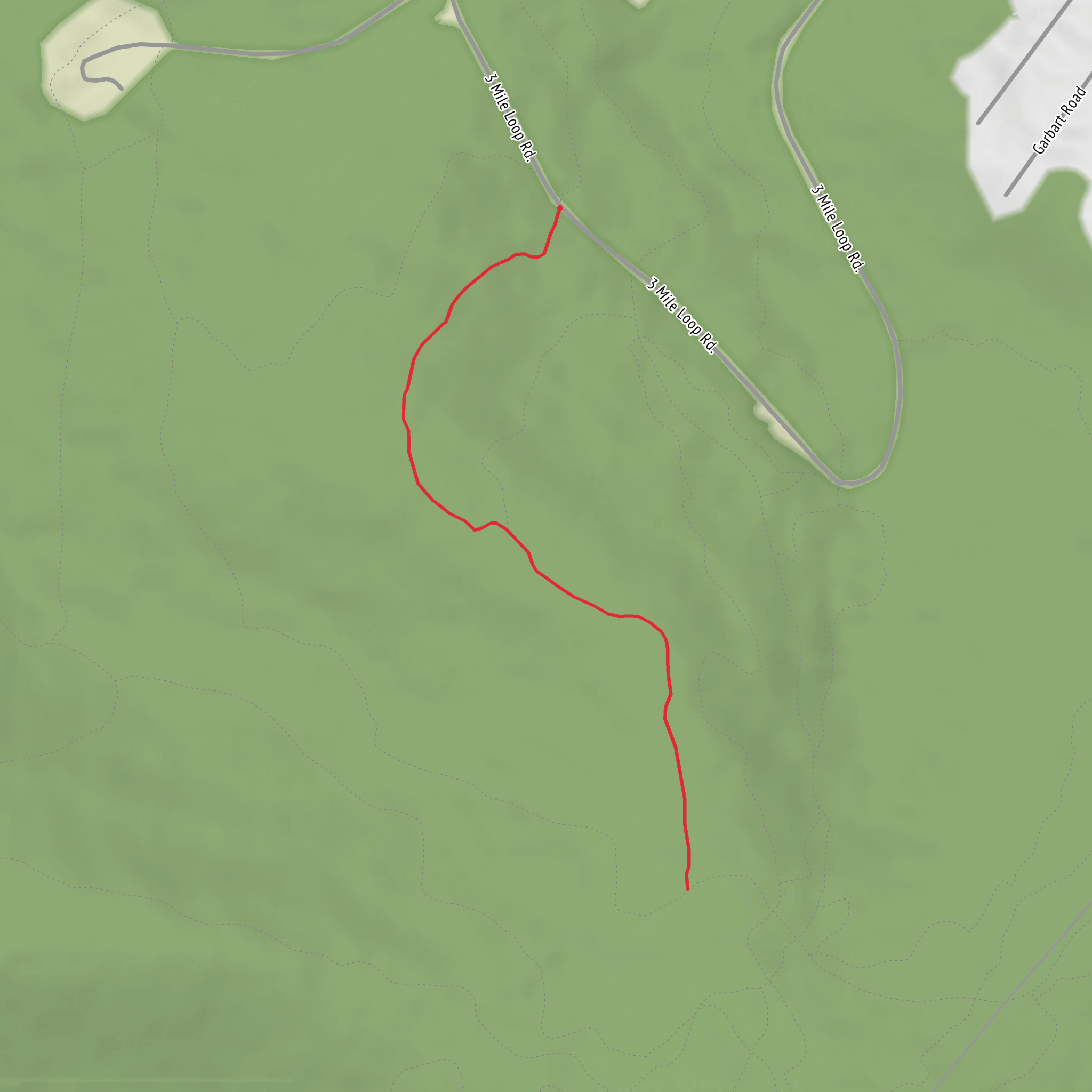
A compact, mostly gentle outing of about 3 km (1.9 mi) with roughly 100 m (330 ft) of climbing, this route is best planned as a short connector/shortcut-style walk rather than a long wilderness day. With an “easy” overall feel, the main things that tend to catch people out are brief steeper pinches, uneven footing, and how quickly conditions can change if the track crosses exposed ground or drainage lines.
Getting to the start (car + public transport)
You’ve listed the hike head as “near” but didn’t include coordinates or a place name, so I can’t reliably convert the start point to the nearest address/landmark yet.
If you send either: - a latitude/longitude for the trailhead, or - the nearest town/park/road name, or - a HiiKER link to the route,
…I’ll pin it to the nearest known address or significant landmark and give precise car and public-transport options.
In the meantime, here’s the practical approach that works for most short trailheads: - By car: aim for the closest signed trail parking area or roadside pull-off near the mapped start. Arrive early if it’s a popular reserve—small lots fill fast. - By public transport: get to the nearest town center or transit stop, then plan a short rideshare/taxi hop to the trailhead if the last mile/kilometer lacks sidewalks or safe shoulders. (Once you share the location, I’ll map the most realistic stop-to-trailhead connection.)
What the hike feels like underfoot
Expect a steady, low-commitment walk with a few sections that may feel more “moderate” than the overall rating suggests—often where the shortcut: - climbs directly up a slope rather than contouring, - cuts across a hillside (side-slope walking), - or crosses a small gully/seasonal drainage.
Even on easy routes, the most common slow-downs are: - loose gravel or ball-bearing stones on short climbs/descents, - roots/embedded rock that create ankle-twisting steps, - muddy patches in shaded low points after rain.
Plan on 45–75 minutes of moving time for most hikers, plus stops.
Landmarks and the kind of scenery to expect
On a short connector like this, the “landmarks” are often subtle rather than dramatic—think: - a saddle (low point between rises) where the grade eases briefly, - a small viewpoint gap where vegetation opens for a moment, - a junction where the shortcut meets a wider main trail or old track.
If the route is used as a shortcut, pay attention at intersections: the most worn tread isn’t always the correct line, especially where social paths braid around puddles or erosion.
Navigation and staying on route
Because shortcut trails can be less obvious than main tracks, it’s worth having HiiKER ready before you start: - download the route for offline use if coverage is spotty, - check the junction count (how many turns you’ll make), - and watch for parallel paths that can pull you off-course.
If you find yourself on a track that suddenly becomes much fainter, steeper, or more eroded than expected, pause and confirm your position on HiiKER before committing further.
Nature, wildlife, and seasonal considerations
Without the exact region, I can’t responsibly name specific species, but on short, low-elevation-gain trails the most common encounters tend to be: - songbirds and small mammals near brushy edges, - insects (especially near damp pockets), - and occasionally larger wildlife sign (tracks/scat) even if you never see the animal.
What to look out for: - Ticks/mosquitoes in warm months—long socks and repellent help. - Snakes in sunny, rocky margins—watch where you place hands/feet, especially stepping over logs or rocks. - Poison ivy/oak or stinging plants depending on region—stay centered on the tread where vegetation crowds in.
Effort, pacing, and what to pack for a 3 km / 1.9 mi hike
Even though it’s short, the 100 m (330 ft) gain can feel punchy if it’s concentrated into one climb. - Wear shoes with decent tread; slick soles are the #1 reason people slip on short steep bits. - Bring at least 0.5–1 L of water per person (more in heat). - A light layer is useful—short hikes still get windy on exposed knolls. - If rain is possible, expect mud in shaded sections; a small pack towel can be handy.
Historical significance (what I need to tailor it correctly)
“Cannonade” can hint at military history (artillery practice, coastal defenses, or a named feature), but I don’t want to invent a backstory for the wrong place. If you share the trailhead coordinates or nearest town/park, I’ll add accurate local context—Indigenous history, settlement/land-use, and any military/industrial heritage tied to the area—grounded in the correct region.
Send the lon/lat (or a HiiKER route link) and I’ll: - convert it to the nearest known address/landmark, - give specific driving + public transport directions, - and refine the landmarks, wildlife, and historical notes to match the exact location.
Surfaces
Unpaved
Unknown
Comments and Reviews
User comments, reviews and discussions about the Cannonade Short Cut - Moderate, West Virginia.
average rating out of 5
0 rating(s)