
Download
3D Flyover
Add to list
More
3.1 km
~37 min
0 m
Loop
“A gentle out-and-back beside glassy backwaters, where reeds whisper and birds steal the spotlight.”
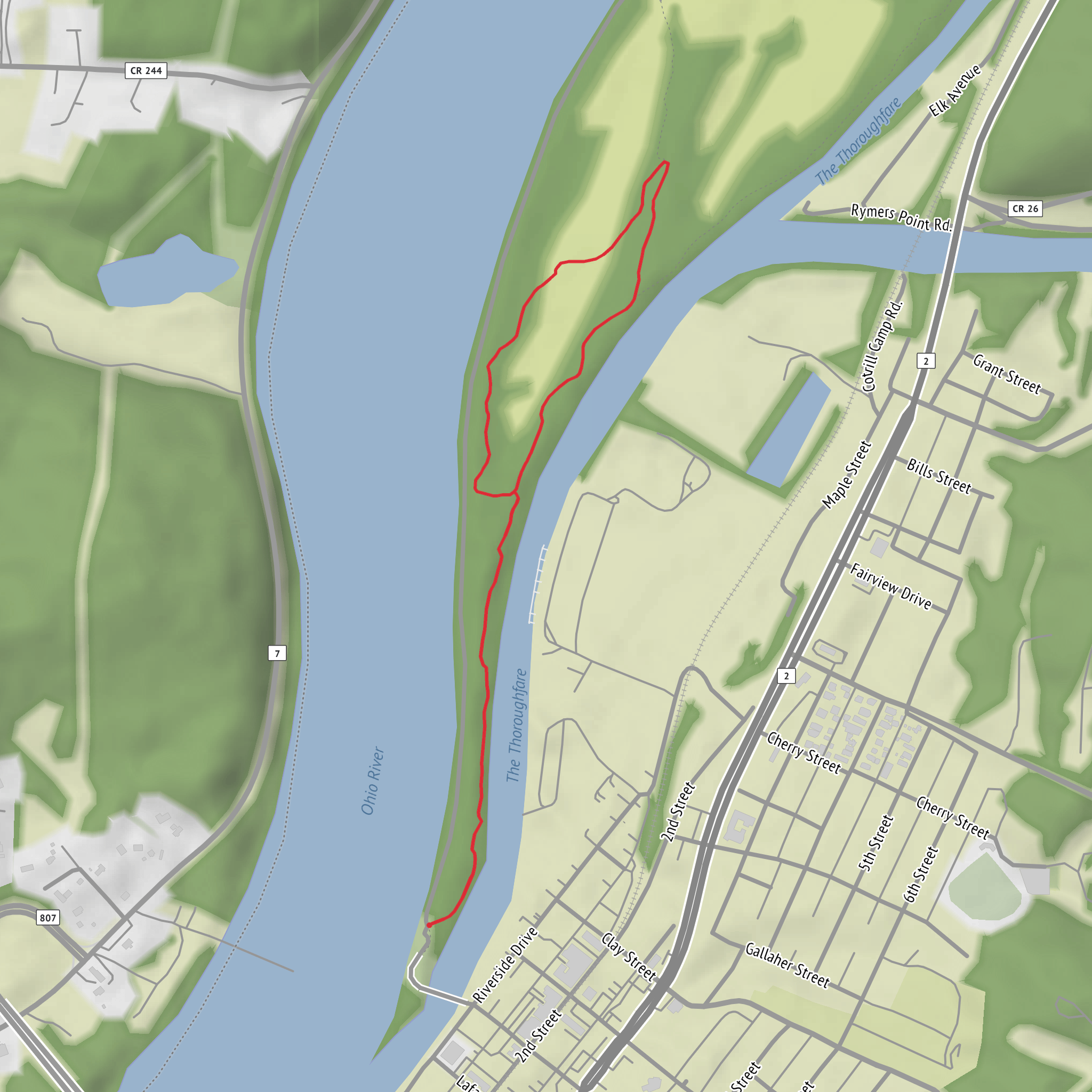
This is a short, flat, easy-going out-and-back style walk of about 3 km (1.9 mi) with essentially 0 m (0 ft) of climbing—ideal for a quick nature break, families, or anyone wanting a low-effort stroll with lots of water-and-wetland scenery. Expect mostly level footing, frequent views into calm backwaters, and a good chance of seeing birds and other shoreline wildlife.
Getting to the trailhead (car + public transport)
You didn’t include the exact “Hike head” location or any coordinates, so I can’t reliably convert the start point to the nearest address/landmark yet. If you paste a latitude/longitude (or a plus code, trailhead pin, or nearby road/park name), I’ll translate it into the closest recognizable address or major landmark and tailor directions precisely.
In the meantime, here’s how to plan access once you know the trailhead: - By car: Most “Nature Trail / Back Channel” trailheads are signed from a nearby park entrance or riverside access road. Plan for a small lot or roadside pull-off; arrive earlier on weekends if it’s in a popular waterfront park. - By public transport: Look for the nearest bus stop or rail station that serves the closest park/river access. From there, it’s commonly a 0.5–2.0 km (0.3–1.2 mi) walk on sidewalks or park paths to the trailhead. If you tell me the city/region (or coordinates), I’ll identify the most practical stop and walking approach.
What the route is like underfoot
With negligible elevation change, the main “difficulty” comes from surface conditions rather than hills: - Typical tread: packed dirt, fine gravel, boardwalk segments, or mown path depending on season and maintenance. - Wet spots: “Back channel” routes often run beside slow-moving water, so expect muddy patches after rain, and occasional slick roots or algae-darkened boardwalk. - Width & traffic: usually wide enough for two people to walk side-by-side in many sections, but narrow pinch points can occur near bridges, culverts, or dense reeds.
Plan on 45–75 minutes at a relaxed pace with stops for wildlife viewing and photos.
Landmarks and what to watch for along the way
Because the hike is short, the highlights tend to come in quick succession rather than as one big viewpoint.
0.0–0.5 km (0.0–0.3 mi): Trailhead to waterside corridor
The first few minutes typically ease you from parking/park access into the quieter riparian zone. This is where you’ll often see interpretive signs (if the area is managed as a nature trail) and the first clear look into the back channel.0.5–1.5 km (0.3–0.9 mi): Back channel edge + wetland pockets
This is usually the most “alive” section: calm water, emergent vegetation, and sheltered coves that attract birds. Look for:- Wading birds (herons/egrets) standing motionless at the margins
- Ducks and geese in open water
- Songbirds in willows/cottonwoods (or similar riparian trees)
- Turtles sunning on logs (common in many North American wetlands)
If there’s a short spur to a viewing platform or a small footbridge, it’s often here.
- Wading birds (herons/egrets) standing motionless at the margins
1.5 km (0.9 mi): Turnaround zone / connector point
On a 3 km (1.9 mi) outing, the far point is often a junction, a small bridge, or a natural “end” where the corridor narrows. This is a good place to pause, scan the water for movement, and then return the way you came.
Nature, wildlife, and seasonal conditions
Back-channel environments are essentially slow-water ecosystems, so they change a lot with season and water level: - Spring: higher water, more mud, peak bird activity; expect mosquitoes to start ramping up. - Summer: warm, lush vegetation; insects can be intense near still water—bring repellent and consider long sleeves. - Fall: clearer sightlines as leaves drop; excellent for birding during migration. - Winter (where applicable): icy boardwalks and shaded slick spots; waterfowl can be abundant.
Wildlife is usually most active early morning and near sunset. Keep food secured and give animals space—especially nesting birds along the shoreline.
Safety and practical prep (easy hike, but don’t underestimate the environment)
- Footwear: light hikers or trail runners with decent tread; after rain, waterproof shoes help.
- Bugs & sun: insect repellent + sun protection; wetlands can be exposed with limited shade.
- Water: even for 3 km (1.9 mi), bring at least a small bottle—humidity near water can make it feel warmer.
- Kids/pets: watch edges near water, especially where banks are undercut or vegetation hides drop-offs. Leashes help protect wildlife and keep pets out of sensitive shoreline habitat.
- Navigation: download the route on HiiKER before you go in case signage is minimal or there are multiple short connectors.
Historical significance (what’s typically relevant for back-channel corridors)
Without the exact location, I can’t cite site-specific history, but back channels commonly reflect: - Old river courses and floodplain dynamics (natural meanders, oxbows, and side channels) - Human modification such as dredging, leve
Surfaces
Grass
Comments and Reviews
User comments, reviews and discussions about the Nature Trail via Back Channel Trail, West Virginia.
average rating out of 5
0 rating(s)
