Download
3D Flyover
Add to list
More
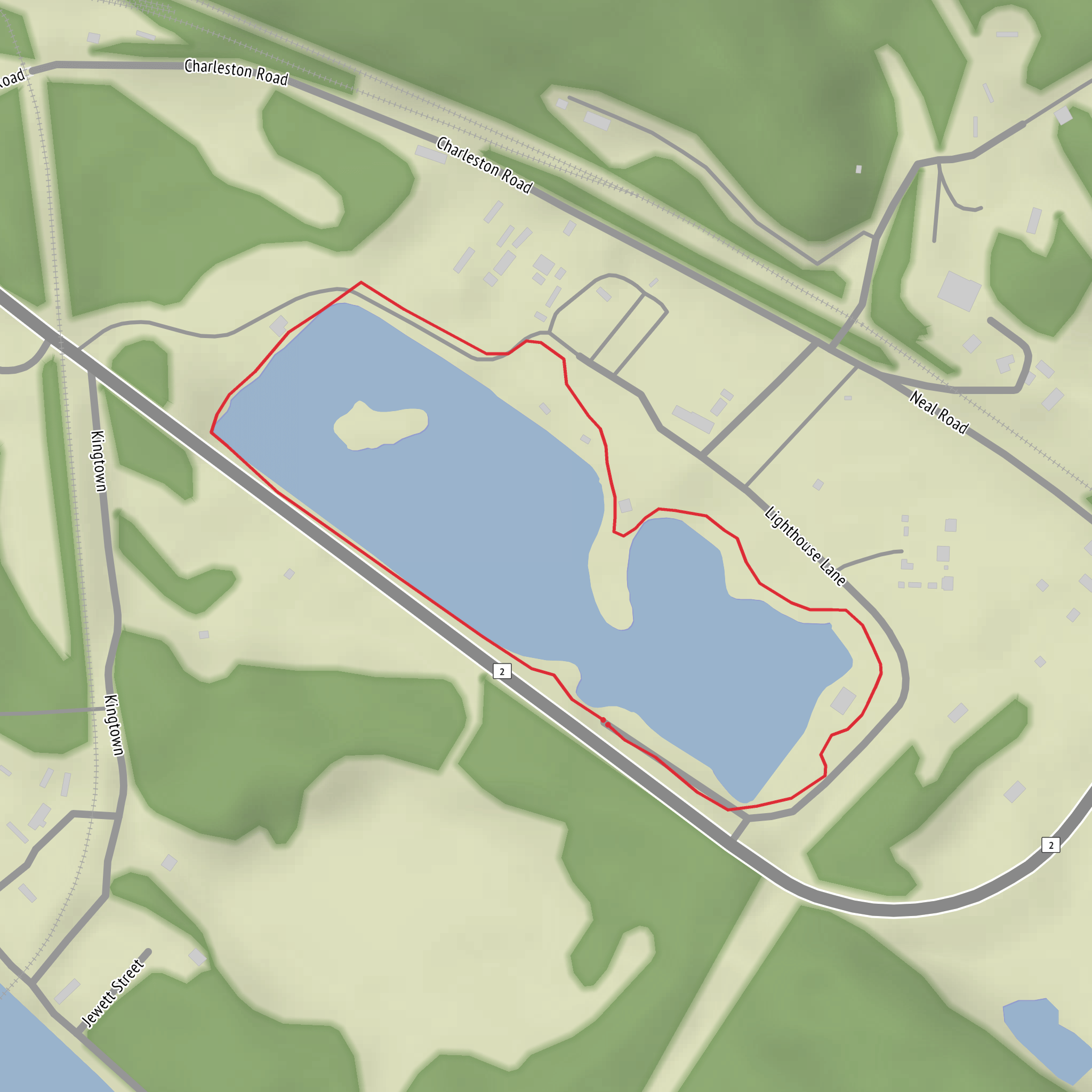
1.6 km
~19 min
0 m
Loop
“Circle Krodel Lake’s calm shoreline through woods and wetlands—easy-going, if footing stays kind.”
I’m missing one key piece of information to make this accurate: the start location. “Hike head: near” is blank, and there are multiple “Krodel Lake” results in different regions. If you share either (a) a latitude/longitude, (b) a town/park/state, or (c) a map screenshot, I’ll convert the coordinates to the nearest recognizable address/landmark and tailor the route description, access, wildlife, and local history to the correct place.
In the meantime, here’s a planning-ready description that fits a typical ~2 km / ~1.2 mi, ~0 m / ~0 ft gain, Easy lakeside loop—once you confirm the location, I’ll swap in the exact trailhead landmark, surfaces, and any site-specific hazards.
You’re looking at a short, mostly level loop that stays close to the lakeshore and nearby woodland edge, making it ideal for a relaxed walk, a quick nature break, or a family-friendly outing. Expect about 2 km (1.2 mi) total, usually 30–45 minutes at an easy pace, longer if you stop for photos or birdwatching. With ~0 m (~0 ft) of elevation gain, the effort comes more from footing (mud, roots, or gravel) than from climbing.
Getting to the start (car + public transport)
By car: Most small lake loops begin from a day-use pull-in, picnic area, or small parking lot near the water. If the area is managed (park/forest district), look for posted hours and whether a day-use fee is required. Arrive earlier on weekends if there are only a handful of spaces.
By public transport: If the lake is near a town, the most common pattern is: - Take a bus/train to the nearest town center or transit hub. - Use a local bus (if available) toward the park/day-use area, then walk the final 0.5–2 km (0.3–1.2 mi) on shoulder roads or park access lanes. Because service varies widely, it’s best to check the nearest stop and walking approach in HiiKER once you confirm the correct Krodel Lake.
What the loop is like underfoot
Most 2 km lake loops are a mix of: - Packed dirt or fine gravel near picnic areas and main access points - Narrow singletrack along the shoreline or through trees - Short sections of boardwalk or reinforced shoreline in wetter spots (not always present)
Even with negligible elevation change, watch for: - Wet, slick edges near the waterline (especially after rain or morning dew) - Roots and small rocks where the trail threads through trees - Soft mud in shaded bays or where small inlets cross the path
If you’re bringing kids or anyone with limited mobility, the key question is whether the loop is fully “path-like” (gravel/firm) or intermittently narrow and rooty—once you provide the location, I can describe the likely surface and accessibility more precisely.
Landmarks and nature to look for
On a short lake loop, the highlights tend to come quickly and repeat as you round the shoreline:
- Shoreline viewpoints: Expect a few natural openings where the trees thin and you get clean water views—often the best spots for a short break.
- Inlets/outlets: If the lake has a small feeder stream or outlet, you may cross it on a tiny bridge or a narrow pinch point. These areas are often the most wildlife-active.
- Wetland edges: Reedy margins and shallow coves are prime for birds and amphibians; they can also be the buggiest sections in warm months.
Wildlife you commonly see around small lakes (region-dependent, to be confirmed once you share the state/country): - Waterfowl (ducks, geese) and songbirds in the treeline - Turtles sunning on logs or rocks - Frogs near marshy edges - Occasional deer at dawn/dusk If you’re in bear country, treat this like any other lakeside walk: keep food secured, make normal conversation-level noise, and don’t linger in dense brush right at the water’s edge.
Navigation and practical tips
This is the kind of loop where you can usually follow the shoreline and obvious footpath, but short lake trails often have social paths (unofficial spurs to fishing spots) that can confuse first-timers. Use HiiKER to: - Confirm you’re on the main loop rather than a lakeside spur - Identify the correct direction if the loop is signed one-way (rare, but possible) - Mark the parking area so you don’t accidentally return to a different access point on multi-use shorelines
Seasonal and safety considerations
- After rain: Expect puddles and slick mud in shaded sections; traction matters more than ankle support on a flat loop.
- Warm months: Bring insect repellent—mosquitoes and biting flies concentrate near still water and reeds.
- Winter/shoulder seasons: Lakeside paths can ice over in shaded stretches even when nearby roads look clear.
- Water edge: If you’re hiking with children or dogs, the main hazard is the temptation to walk right on the bank—some shorelines undercut and crumble.
Historical significance (pending exact location)
Many small lakes used for easy loops sit in landscapes shaped by one or more of the following: - Glacial history (kettle lakes, moraines, and outwash plains) - Historic forestry (old logging routes, second-growth woodland)
Comments and Reviews
User comments, reviews and discussions about the Krodel Lake Loop, West Virginia.
average rating out of 5
0 rating(s)