Download
3D Flyover
Add to list
More
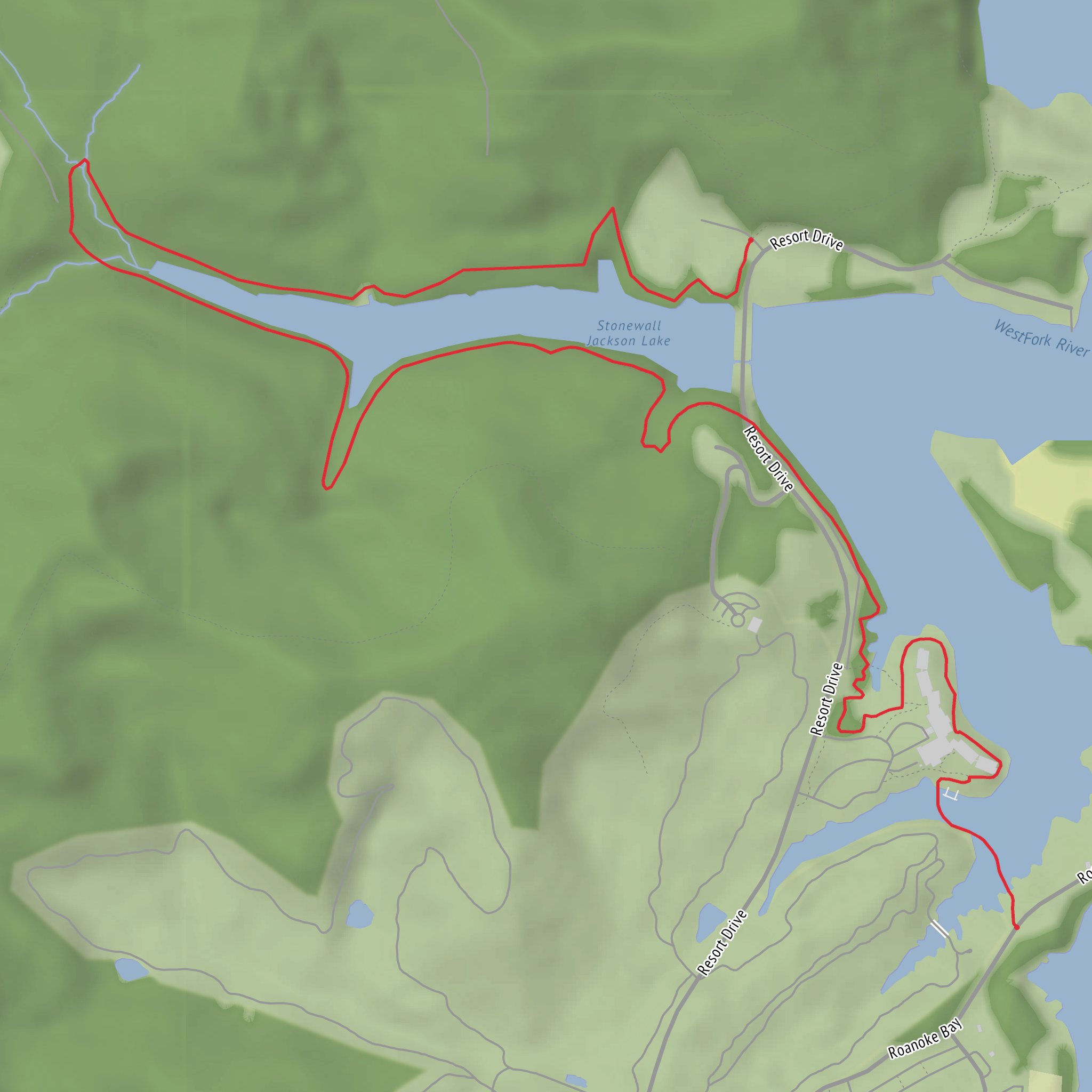
5.3 km
~1 hrs 3 min
6 m
Point to Point
“Stroll gentle lakeside paths with sparkling water views, birdlife, and breezy pause-points for many walkers.”
A gentle, mostly level lakeside walk of about 5 km (3.1 mi) with essentially 0 m (0 ft) of climbing, this route is ideal for a relaxed outing, birdwatching, or a family-friendly nature stroll. Expect wide, well-graded paths (often compacted gravel or boardwalk in wetter pockets), frequent water views, and plenty of short “pause points” where the shoreline opens up.
Because the start location is listed only as “near” (with no coordinates or town/park name), I can’t reliably convert the trailhead to a nearest address or landmark yet. If you share a lon/lat (or even the nearest town/park), I’ll pin the closest recognized access point and describe the approach precisely.
Getting to the trailhead (car + public transport)
By car - Lakeside nature trails are commonly accessed from a main park entrance lot or a day-use lakeshore parking area. Plan for a short walk from parking to the water (often 0.1–0.5 km / 0.1–0.3 mi). - If the area is managed (state park/county park/reservoir authority), expect possible day-use fees, gates that close at dusk, and limited overflow parking on busy weekends.
By public transport - If the lake is near a town, the most typical pattern is: bus/train to the nearest town center, then a local bus or rideshare to the park entrance, followed by a short walk to the trailhead. - If you tell me the nearest city/stop (or provide coordinates), I can outline the most practical transit approach and the likely final walking distance.
What the walk feels like (surface, pacing, and accessibility)
With minimal elevation change, the effort comes less from climbing and more from surface conditions and exposure: - Surface: usually firm and easy underfoot, but watch for loose gravel, sandier shoreline segments, and slick boardwalk after rain or morning dew. - Width & traffic: these trails often attract walkers, runners, and cyclists. Keep right, and expect occasional pinch points at bridges, viewing platforms, or narrow shoreline bends. - Accessibility: the flat profile is promising, but true accessibility depends on grade consistency, cross-slope, and surface firmness. If you need an accessibility-focused plan, share the location and I’ll tailor it.
Route breakdown with approximate distances
Since the hike type isn’t specified, the most common layout for a 5 km lakeside nature trail is an out-and-back or a small loop using parallel shoreline and inland connectors. Use HiiKER to confirm the exact geometry once you have the mapped line.
0.0–1.0 km (0.0–0.6 mi): Trailhead to first shoreline views
You’ll typically start near a parking area or park entry path, easing into the lakeshore. Early on, look for:
- Interpretive signs (local ecology, watershed info, or bird ID boards)
- Reedbeds/cattails in shallow coves—prime habitat for small birds and amphibians
1.0–2.5 km (0.6–1.6 mi): Long lakeside traverse
This is usually the most scenic stretch: steady water views, occasional benches, and small inlets. Expect:
- Short boardwalks over marshy edges
- Fishing access points (be mindful of lines and tackle near the path)
- Wind exposure along open water—conditions can feel cooler than inland
2.5 km (1.6 mi): Turnaround or loop junction
Many 5 km routes either turn around here (making it a 2.5 km / 1.6 mi out-and-back) or connect to an inland return path. If it’s a loop, the inland side often has:
- More shade
- Less wind
- More wildlife movement through brush/woodland edges
2.5–5.0 km (1.6–3.1 mi): Return leg
On the way back, the light angle changes and wildlife can be more active, especially later in the day. Keep an eye on the shoreline for birds riding thermals or feeding in shallows.
Landmarks, nature, and wildlife to look for
Even on a short, easy lakeside trail, the variety can be excellent because water concentrates life.
Common natural features
- Shallow coves and marsh pockets: often the richest zones for birds and amphibians
- Riparian edges: where shrubs and trees meet the water—good for songbirds and shade
- Seasonal waterlines: you may see exposed mudflats or higher-water marks depending on recent rain and lake management
Wildlife you may encounter (and how to behave) - Waterfowl and wading birds: ducks, geese, herons/egrets in many regions. Give them space—approaching too closely pushes them off feeding areas. - Turtles and amphibians: often basking on logs/rocks. Watch your footing near muddy edges. - Small mammals: squirrels, rabbits, and sometimes beavers/otters depending on the lake system. - Insects: mosquitoes and biting flies can be intense near still water, especially at dawn/dusk or after rain.
What to look out for - Ticks in grassy margins and brushy inland connectors—use repellent and do a check afterward. - Poison ivy/oak/sumac (region-dependent) along sunny edges—stay on the main tread. - **
Surfaces
Unknown
Dirt
Wood
Ground
Comments and Reviews
User comments, reviews and discussions about the Lakeside Nature Trail, West Virginia.
average rating out of 5
0 rating(s)