
Download
3D Flyover
Add to list
More
840 m
~10 min
0 m
Loop
“Meander quiet cemetery lanes beneath old shade trees, where birdsong and headstones invite reflection.”
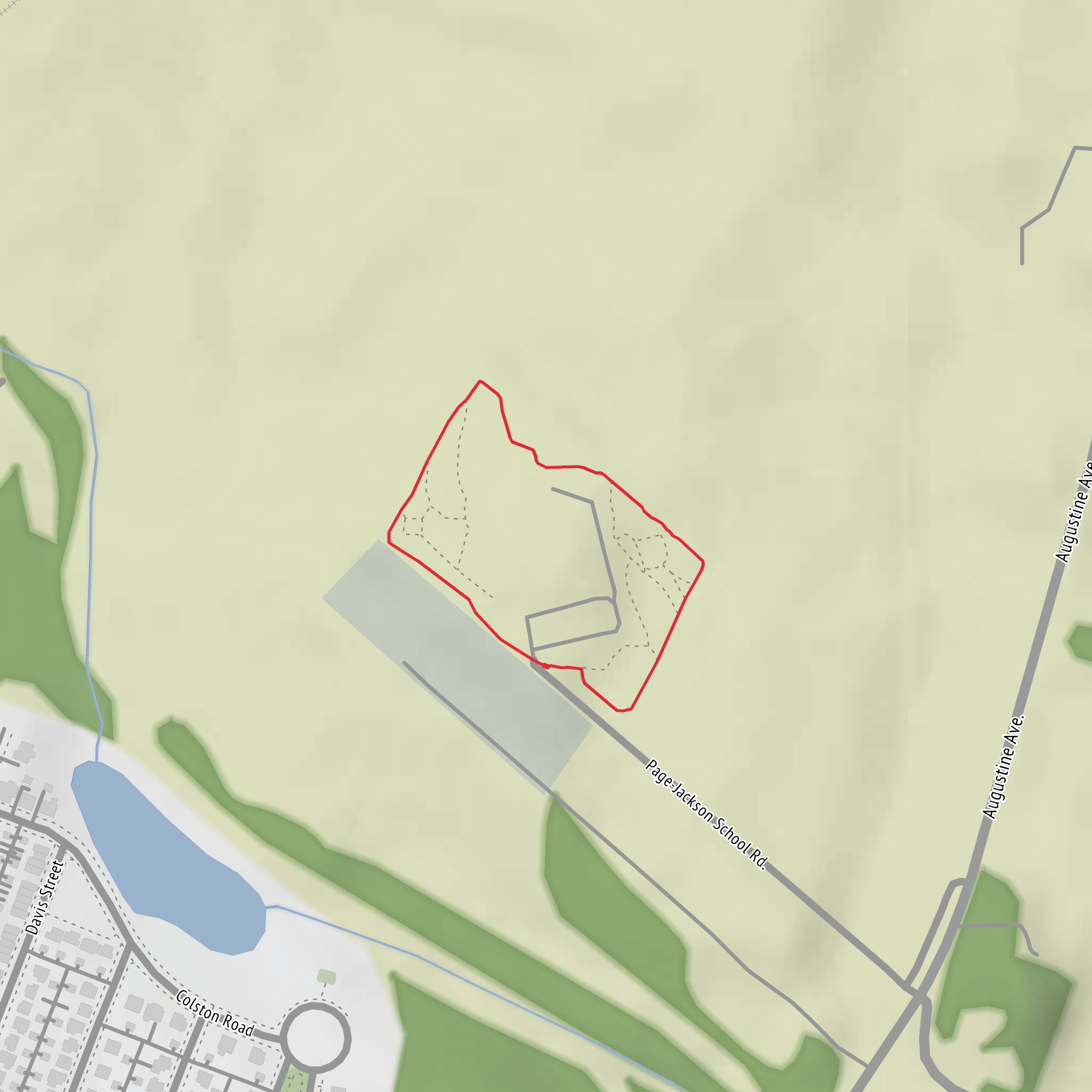
This is a short, mostly level wander of about 1 km (0.6 mi) with essentially 0 m (0 ft) of elevation gain—ideal for a quiet leg-stretcher, a reflective walk, or a quick history-and-nature stop. Because “Fairview Cemetery” exists in many towns, and your start point is listed only as “near,” I can’t reliably convert the lon/lat to a nearby address or landmark yet. If you share the coordinates (or the town/state), I’ll pin the nearest known address/significant landmark and tailor the route description to the exact paths and entrances.
Getting to the start (car + public transport)
By car - Most cemeteries have one or more vehicle gates and a small pull-off/parking lane near the main entrance. Aim for the primary entrance on the main road frontage (often signed with the cemetery name). - If gates have posted hours, plan to arrive well within them—many cemeteries close at dusk.
By public transport - In many U.S. towns, the closest practical approach is usually bus to the nearest main-road stop, then a short walk along the shoulder/sidewalk to the entrance. - If you tell me the city (or coordinates), I can identify the most sensible stop and walking approach and note any tricky road crossings.
What the walk is like (surface, pacing, accessibility)
Expect a slow, meandering loop on paved cemetery lanes and/or short grass paths between sections. Over 1 km (0.6 mi), most hikers take 15–30 minutes, depending on how often you pause at monuments.
- Footing: Typically smooth pavement with occasional cracks, plus grass that can be uneven or soft after rain.
- Grade: Essentially flat; any “ups and downs” are usually gentle swales for drainage rather than true hills.
- Accessibility: Many cemetery roads are suitable for strollers and some mobility devices, but older sections can have curbs, narrow gaps, and uneven turf.
Landmarks and points of interest to look for
Even on a short route, cemeteries tend to be dense with small “micro-landmarks.” As you walk, keep an eye out for:
- Older family plots with clustered headstones, low iron fencing, or stone borders—often the earliest burials are grouped together.
- Veterans’ sections (frequently marked by uniform government headstones and flags). Around U.S. cemeteries, these areas can be historically significant, reflecting local participation in major conflicts.
- Mature shade trees (oak, maple, cedar, pine depending on region) that often form the most scenic corridors along the lanes.
- Small memorial features such as a flagpole, chapel/receiving vault, or a central monument—these are common “anchor points” for a short loop.
If you want a simple structure for a 1 km (0.6 mi) outing: - Walk 0.3 km (0.2 mi) from the entrance along the main lane to the most prominent central feature (flagpole/monument). - Meander through one older section for 0.4 km (0.25 mi), staying on lanes where possible. - Return via a parallel lane for the final 0.3 km (0.2 mi) back to the entrance.
Nature and wildlife (what you might see)
Cemeteries often function like small urban/suburban refuges—quiet, lightly trafficked, and tree-rich.
- Birdlife: Songbirds are common, and you may see woodpeckers on mature trunks, hawks overhead, and crows/jays near open lawns.
- Mammals: Squirrels are typical; in many regions rabbits and deer may appear near dawn/dusk.
- Plants: Expect a mix of ornamental plantings (shrubs, flowering trees) and lawn grasses. In older cemeteries, you may also see ivy/periwinkle groundcover or naturalized wildflowers along edges.
Things to look out for (practical safety + etiquette)
- Ticks and mosquitoes: Even in manicured grounds, ticks can be present in taller grass and leaf litter. Long socks and a quick post-walk check help.
- Uneven ground: Watch for sunken spots near older graves, hidden sprinkler heads, and soft turf after rain.
- Traffic: Vehicles move slowly but quietly; stay alert at bends and intersections of cemetery lanes.
- Respectful travel: Keep voices low, give space to visitors and any services, and avoid stepping directly on grave sites—use lanes and obvious paths.
Navigation
For a short, wandering route like this, the key is simply not missing the correct entrance/exit and staying oriented among parallel lanes. If you want a clean track, load the route in HiiKER and follow it like a mini walking loop, especially if the cemetery has multiple gates that can be confusing.
Historical significance (how to interpret what you’re seeing)
Without the exact location, I can’t cite specific notable burials, but most Fairview Cemeteries share a few common historical patterns: - Local settlement history: The oldest stones often align with early town growth—family names that repeat across multiple plots can reflect founding families or major local industries. - Evolving stonework: You can often “read time” through materials and styles—older stones may be simpler and more weathered; later sections may have polished granite and more standardized layouts. - Community memory: Memorials to wars, epidemics, or civic leaders are common and can provide a quick
Comments and Reviews
User comments, reviews and discussions about the Fairview Cemetery, West Virginia.
average rating out of 5
0 rating(s)
