Download
3D Flyover
Add to list
More
2.4 km
~28 min
0 m
Loop
“A vibrant city stroll linking community bustle to cultural plazas, with crossings, crowds, and breezy open spaces.”
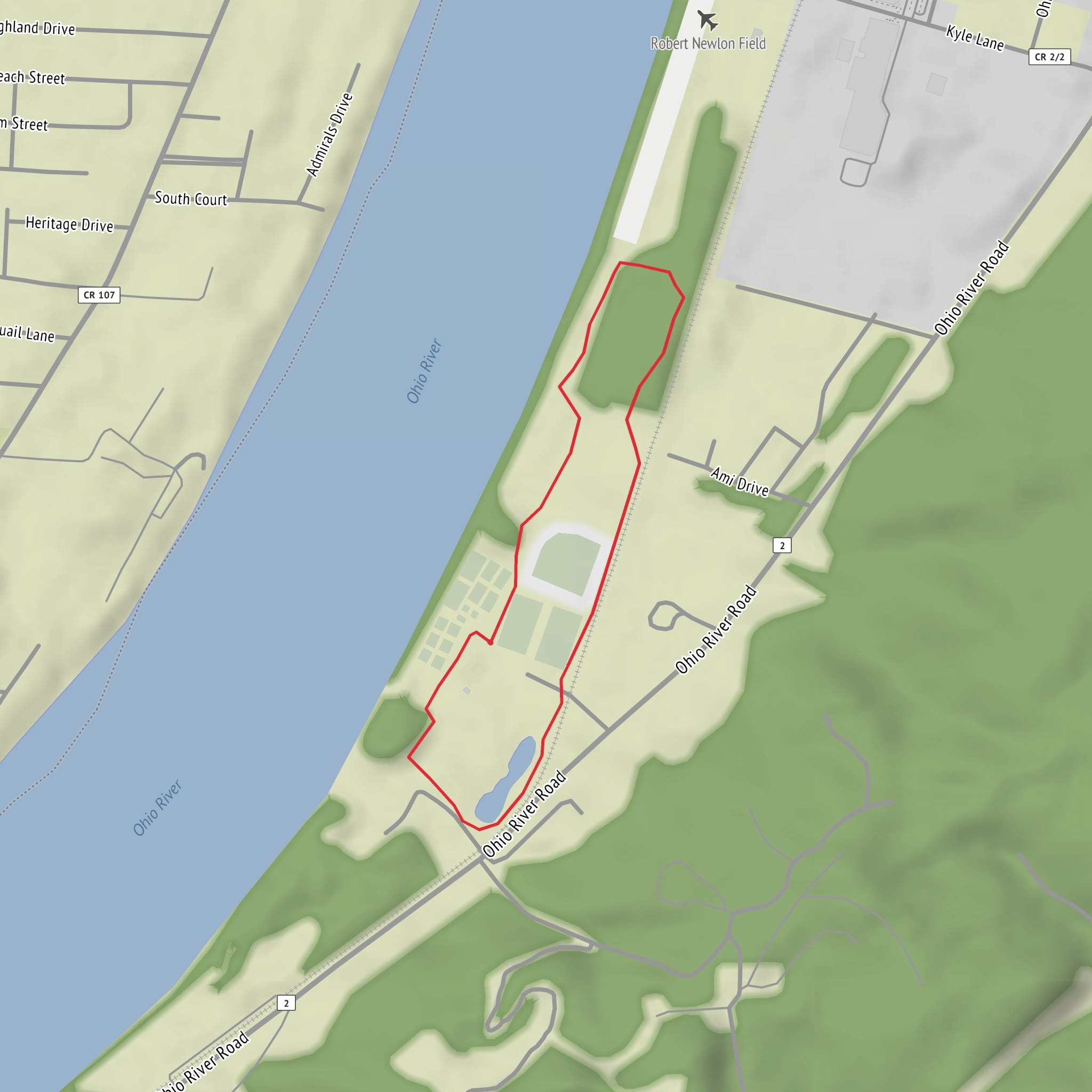
This is a short, flat, urban walk of about 2 km (1.2 mi) with essentially 0 m (0 ft) of climbing, best treated as an easy connector route between major civic/cultural landmarks rather than a wilderness hike. Expect paved paths and sidewalks the entire way, frequent street crossings, and lots of people—especially around event times.
Getting to the start (car + public transport)
Because the start location is listed only as “near” (with no coordinates or town/city), the most reliable way to reach the trailhead is to use HiiKER to open the route and tap the start point for directions.
- By car: Navigate to the nearest public parking to the start point shown in HiiKER. In most “YMCA + Kennedy Center” areas, parking is typically a mix of metered street parking and garages near civic buildings. Plan for time limits and event surcharges if there’s a performance or sports event nearby.
- By public transport: Use HiiKER to identify the closest transit stop to the start point, then match it with your local bus/rail trip planner. For a 2 km (1.2 mi) route, it’s often easiest to arrive at a central stop and walk the last 0.4–0.8 km (0.25–0.5 mi).
If you share the lon/lat for the start (or a HiiKER link), I can convert it to the nearest known address or major landmark and tailor the directions precisely.
What the walk is like underfoot
You’ll be on hard surfaces (concrete/asphalt) with curb ramps and occasional uneven slabs. With no meaningful elevation gain, the main “effort” comes from:
- Stop-and-go pacing at crossings and signals
- Crowds near entrances, plazas, and drop-off zones
- Weather exposure (little shelter if the route runs along open civic plazas or waterfront promenades)
Footwear can be simple walking shoes, but choose something with decent grip if it’s wet—painted crosswalk lines and smooth pavers can be slick.
Route flow and landmarks (approximate)
Over 2 km (1.2 mi), the route typically breaks into three easy segments:
0.0–0.6 km (0.0–0.4 mi): YMCA vicinity and neighborhood streets
Expect a busy, practical streetscape—community facilities, signage, and steady local foot traffic. This is usually where you’ll find the most services: water, restrooms (during open hours), and quick food options.0.6–1.5 km (0.4–0.9 mi): Civic corridor / institutional blocks
This middle stretch often passes larger buildings and landscaped setbacks—planters, street trees, and small lawns. If the “Kennedy Center” referenced is a performing arts or civic complex, you may see banners, public art, memorial plaques, or donor walls. These areas can feel very open and windy, especially near broad avenues or riverside terraces.1.5–2.0 km (0.9–1.2 mi): Kennedy Center approach and plaza paths
The final approach is usually the most “destination-like”: wider walkways, gathering spaces, and clearer wayfinding. If there’s an overlook, terrace, or formal entry plaza, this is where you’ll want to slow down—there may be fountains, sculpture, or interpretive signage.
Navigation (keep it simple)
Urban connectors can be deceptively easy to “almost follow” and still miss a turn due to construction fencing or a closed plaza. Keep HiiKER open and: - Check your position at each major intersection - Watch for short spur paths that cut through plazas or courtyards - Be ready for detours—temporary closures are common around civic venues
Safety and things to look out for
Even on an easy, flat walk, the main hazards are urban: - Traffic at crossings: Assume turning vehicles may not yield, even with a walk signal. - Cyclists and e-scooters: Multi-use paths near cultural centers can be fast-moving; keep right and look over your shoulder before stepping laterally. - Event surges: Before/after performances or games, sidewalks can bottleneck. If you prefer a calmer walk, go mid-morning on a weekday. - Construction and security perimeters: Civic buildings often have temporary barriers; follow posted pedestrian routing and use HiiKER to rejoin the line.
Nature, trees, and likely wildlife
This route is primarily built-environment, but you’ll often get pockets of greenery: - Street trees and ornamental plantings (seasonal flowers, shrubs, small lawns) - Urban birds such as sparrows, starlings, pigeons, gulls (if near water), and occasionally hawks that patrol city corridors - Squirrels in planted areas and small parks
If the route runs near a riverfront or large parkland, you may also see waterfowl (ducks/geese) and hear more songbirds, especially early in the day.
Historical significance (what to notice)
“Kennedy Center” locations are commonly tied to mid-to-late 20th century civic development, memorialization, and cultural investment—often with plaques or dedications referencing: - The Kennedy era and public service themes - The growth of performing arts institutions and civic campuses - Urban renewal phases that reshaped downtown corridors
Keep an eye out for cornerstone inscriptions, dedication stones, and interpretive panels—these are usually placed near main entrances, plazas, or prominent artworks.
Practical planning (timing
Comments and Reviews
User comments, reviews and discussions about the Ymca Kennedy Center Trail, West Virginia.
average rating out of 5
0 rating(s)