
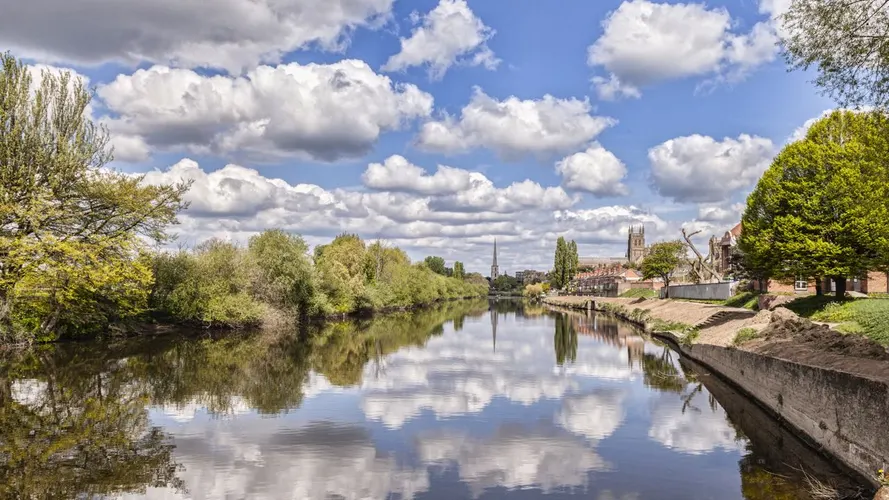
Best river hikes in Wales
Go with the flow on these riverside adventures! From gentle streams to powerful rapids, these hikes offer constant companionship with the sound of rushing water.
Here are some great hikes to explore in Wales.
Most popular hikes
Reviews for river hikes in Wales

Juls · reviewed over 4 years ago
Completed over five days in August 2021, mostly wildcamping with one night in a hostel. Occassionally moderate though not strenuous with no huge elevations. The Mignient Marshes should not be underestimated though, especially if it has been raining. A gem of a hike through the industrial and social history of a much loved area.
Juls · reviewed over 4 years ago
Hiked in winter. 1st December 2022-7th February 2022. Amazing and varied. Pembrokeshire and Anglesey and the Llyn Peninsula were the most rewarding, but the North Wales Coast, South Wales Coast and Meirionnydd were less do. The lack of scenery in Carmarthenshire is made up for by the excellence of the people. The map is 99% good. There are two instances; once in the Ceredigion and once on the SWC where it indicates a long walk along an A road for no discernable reason as both the waymarks and other maps disagree and will take you on the real trail.

simon thompson · reviewed about 1 year ago
Beautiful trail. Very quiet in October when we go. Very remote in parts so a bit of careful planning required re accommodation and bus times etc. Can be reached by Train for the most part with Stations along the way. Similar to South West Coast Path but with a few less Tough climbs.

North Wales Pilgrim's Way - Taith Pererin Gogledd Cymru
IanC · reviewed about 2 years ago
Another cracker. Made better with resent spell of good weather. (Coastal path, not good in parts after prolonged rain)

moniek hut · reviewed about 5 years ago
Me and my dog completed this trial in early July 2021, it took us just over 7 days. We wild camped all the way (LNT) and used a water filter for water resupply. It's an amazing trial with stunning scenery, and I can highly recommendit. Things to be aware of are - in low visibility easily get lost on the moors/sharp drop of ridges, - Sink holes, shake holes, cracks in the ground where under ground caving systems/mines exists.
Frequently asked questions for hikes in Wales





More hikes in Wales
by difficulty
by type