
Download
3D Flyover
Add to list
More
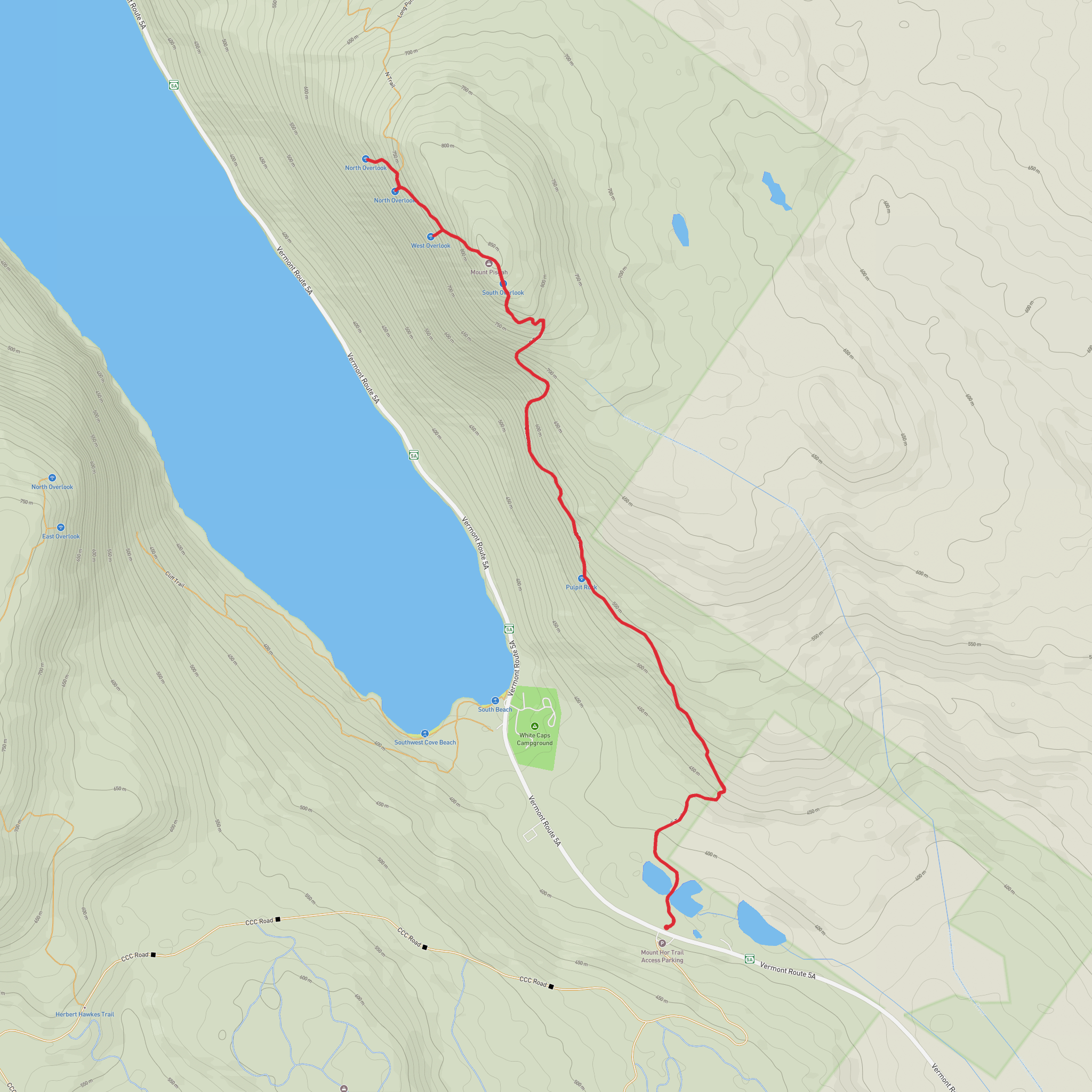
6.9 km
~2 hrs 13 min
510 m
Out and Back
“A punishing climb rewards prepared hikers with sweeping valley views and vivid oak-savanna beauty.”
This roughly 7 km / 4.3 mile loop on Mount Pisgah is a steep, leg-burning climb with a rewarding summit and a varied descent through one of the most ecologically interesting landscapes near Eugene. Expect about 500 m / 1,640 ft of elevation gain overall, which is a serious amount of climbing for a hike of this length. The route is generally considered difficult, not because of technical exposure, but because the grade is sustained, the footing can be loose or muddy depending on season, and the climb comes quickly once you leave the lower trails.
The hike starts at Mount Pisgah Arboretum in Howard Buford Recreation Area, with the nearest clear trailhead address being 34901 Frank Parrish Road, Eugene, Oregon 97405. That places you at the main access area for the Arboretum and the Mount Pisgah summit trails. The summit itself rises to about 1,518 feet / 463 m above sea level within a park of more than 2,200 acres. A Lane County Parks pass is required for vehicles parked here, and day-use access is from dawn to dusk. (mountpisgaharboretum.org)
From the parking area, the early part of the walk is usually the gentlest. You move through the Arboretum’s lower landscape, where broad paths, meadows, and riparian vegetation ease you into the outing before the route turns uphill. This lower zone is useful for last-minute checks: restrooms and drinking fountains are available near the entrance area, and cell service is generally available within the Arboretum. (mountpisgaharboretum.org)
Climbing the South Trail
Using the South Trail for the ascent usually means a steadier, more sustained climb. The grade builds quickly, and hikers should be ready for long uphill stretches rather than short bursts. On Mount Pisgah’s summit route, the main climbing trail within the Arboretum is listed at about 1.45 miles / 2.33 km one way, with average grades around 10–15% and steeper pitches of 15–20% beyond the Oak Savanna junction. That gives a good sense of what the uphill feels like: persistent, aerobic, and much tougher than the mileage alone suggests. (mountpisgaharboretum.org)
As you gain height, the vegetation shifts noticeably. Lower down, the route passes through mixed woodland and more sheltered terrain. Higher up, the mountain opens into the oak savanna and prairie character that makes this area distinctive in the southern Willamette Valley. Howard Buford Recreation Area is especially known for its rare oak savanna prairies, and that habitat is one of the defining features of the hike. In spring, this mountain is particularly well known for wildflower displays, while in wetter months the trail can be muddy and slick. The Arboretum notes that consistent rain from November into April, and sometimes May, often leaves trails muddy, with some overgrowth lingering into late spring. (lanecounty.org)
The climb is best paced conservatively. Even strong hikers often benefit from treating the ascent as a continuous grind rather than trying to push the steepest ramps. Trekking poles can help on the way down, but if you use navigation aids, plan with HiiKER before setting out so you know where the South and North Trail options split and reconnect.
Summit and views
The summit is the payoff. Mount Pisgah is the iconic high point of the park, and from the top you get broad views over the southern Willamette Valley, nearby ridges, and the patchwork of river, farmland, woodland, and city edge that defines the Eugene area. Because the mountain stands somewhat apart from the surrounding lowlands, the summit feels more expansive than its modest elevation might suggest. Lane County identifies it as the park’s signature viewpoint, and it is one of the most visited high points close to Eugene-Springfield. (lanecounty.org)
Wind and sun exposure can be more noticeable here than below. On warm days, the upper mountain can feel hotter and drier than the trailhead, while in wet
Surfaces
Ground
Comments and Reviews
User comments, reviews and discussions about the Mount Pisgah via South Trail and North Trail, Vermont.
average rating out of 5
0 rating(s)
