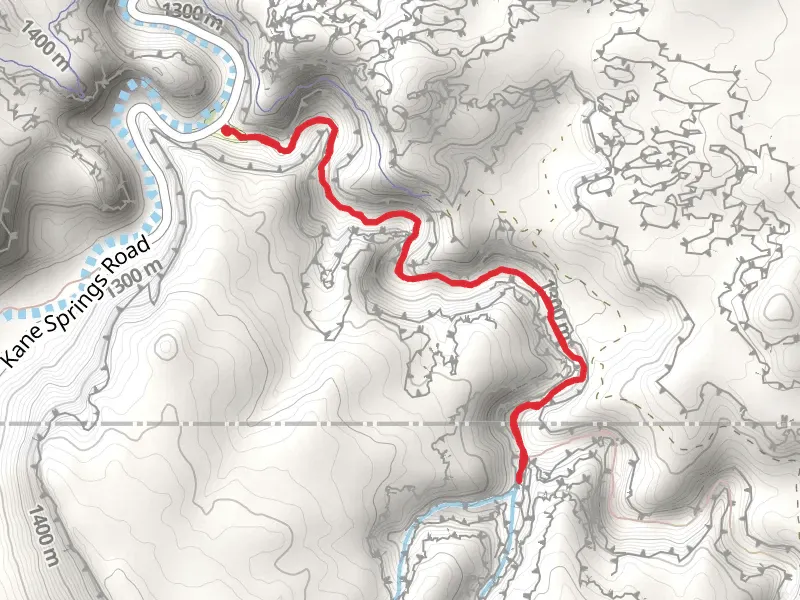
6.0 km
~1 hrs 57 min
456 m
Out and Back
“Embark on the scenic Hunter Canyon Trail, a 6-kilometer hike rich in history and natural beauty.”
Starting near Grand County, Utah, the Hunter Canyon Trail is an inviting out-and-back hike that spans approximately 6 kilometers (around 3.7 miles) with an elevation gain of about 400 meters (1,312 feet). This trail is rated as medium difficulty, making it suitable for moderately experienced hikers.
Getting There
To reach the trailhead, you can drive or use public transportation. If driving, head towards the Hunter Canyon Trailhead, located near the intersection of Kane Creek Boulevard and Hunter Canyon Road. For those using public transport, the nearest significant landmark is the town of Moab, Utah. From Moab, you can take a local shuttle or taxi service to the trailhead, which is approximately 8 miles (13 kilometers) away.
Trail Overview
The trail begins with a gentle ascent through a scenic canyon, characterized by its towering red rock walls and lush vegetation. Early on, you'll encounter a small stream that runs through the canyon, providing a refreshing ambiance and the opportunity to spot various wildlife, including mule deer and a variety of bird species.
Significant Landmarks and Points of Interest
- Hunter Arch: About 1.5 kilometers (0.9 miles) into the hike, you'll come across Hunter Arch, a natural sandstone arch that offers a great photo opportunity. The arch is easily visible from the trail and is a popular spot for a short break.
- Petroglyphs: Approximately 3 kilometers (1.8 miles) in, keep an eye out for ancient petroglyphs etched into the canyon walls. These rock carvings are believed to be created by the Fremont people, who inhabited the area over a thousand years ago.
- Waterfalls and Pools: As you approach the 4-kilometer (2.5-mile) mark, the trail becomes more rugged and you may encounter small waterfalls and natural pools, especially after recent rainfall. These features add to the trail's charm and provide a cool respite during warmer months.
Flora and Fauna
The Hunter Canyon Trail is rich in diverse plant life, including cottonwood trees, willows, and various desert shrubs. In spring and early summer, the trail is adorned with wildflowers such as Indian paintbrush and desert marigold. Wildlife is abundant, with frequent sightings of lizards, snakes, and occasionally, bobcats.
Navigation and Safety
Given the trail's moderate difficulty, it's advisable to use a reliable navigation tool like HiiKER to stay on track. The trail is well-marked, but some sections can be rocky and uneven, requiring careful footing. Always carry sufficient water, especially during the hotter months, and be prepared for sudden weather changes.
Historical Significance
The Hunter Canyon area holds historical significance due to its ancient petroglyphs and its role as a travel route for Native American tribes. The Fremont people, who left behind the petroglyphs, were known for their advanced agricultural practices and intricate rock art, providing a glimpse into the region's rich cultural heritage.
By following these guidelines and being prepared, hikers can fully enjoy the natural beauty and historical richness of the Hunter Canyon Trail.

What to expect?
Activity types
Comments and Reviews
User comments, reviews and discussions about the Hunter Canyon Trail, Utah.
4.63
average rating out of 5
19 rating(s)