Search a hike or location

search

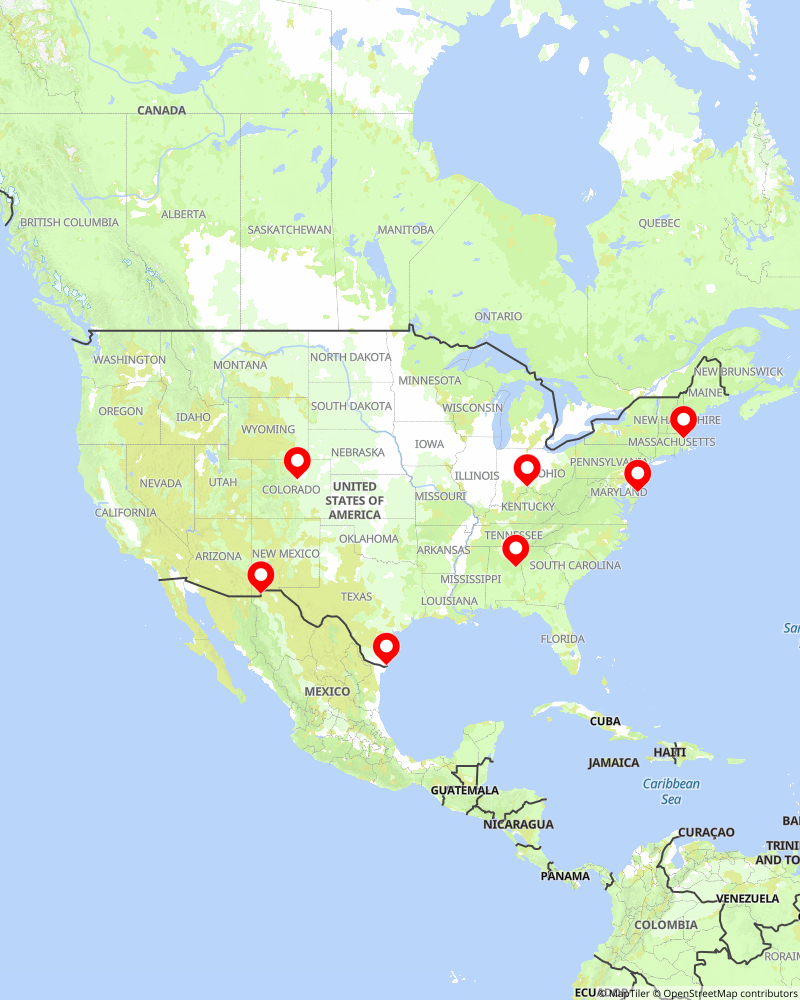
Hiking trails in United States

2 Hikes


"Explore America's trails for breathtaking vistas, diverse adventures, and a deep connection to nature."

Embark on an unforgettable journey through the diverse landscapes of the United States, where every trail tells a story. From the rugged peaks of the Rockies to the serene beauty of the Appalachian Trail, each path offers a unique adventure. Discover the vibrant hues of fall in New England, the mystical depths of the Grand Canyon, and the lush rainforests of the Pacific Northwest. Whether you're seeking solitude or camaraderie, the U.S. trails promise breathtaking vistas and a profound connection to nature.
Guide to hiking in United States

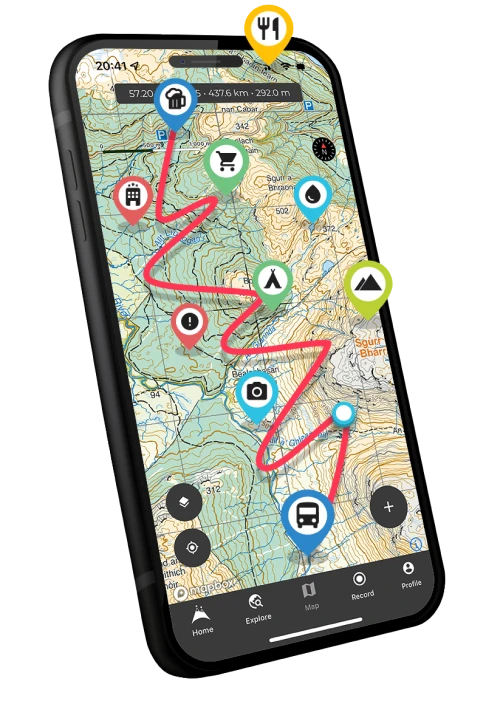
Be prepared for hiking in United States with the HiiKER app

Most popular hikes in United States

FAQs about hiking in United States
What is the climate like for hiking in United States?

The United States' climate varies greatly due to its vast size and geographical diversity, affecting the hiking experience. Generally, northern states experience cold winters and warm summers, while southern states have mild winters and hot summers.
Spring (March to June) and fall (September to November) are typically ideal for hiking in most regions, offering mild temperatures and blossoming or changing flora. However, for high-altitude hikes or trails in northern states, summer (June to August) may be more favorable.
Winter hikes (December to February) are also possible but require careful planning and suitable gear, particularly in snowy regions. Always check local weather conditions before setting out. Visit the National Park Service website for comprehensive hiking guides across the U.S.
https://www.weather.org/north_america/
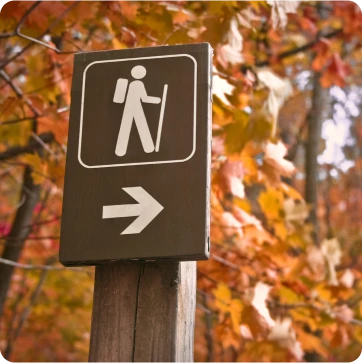

Do I need a permit to hike in United States?

For hiking in certain U.S. areas, particularly national parks or wilderness areas, permits may be required. These are typically obtained from the managing agency, often the National Park Service or U.S. Forest Service. Early application is recommended. Detailed information is available on respective agency websites.
https://www.nps.gov/yose/planyourvisit/wildpermits.htm
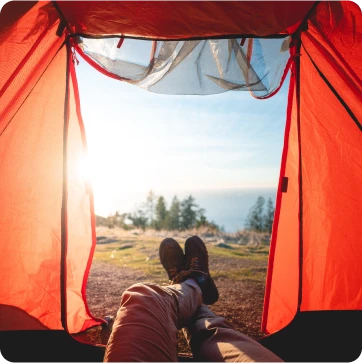

Is wild camping allowed in United States?

Wild camping, or "dispersed camping," is generally allowed on U.S. Forest Service and Bureau of Land Management lands, following certain restrictions. Campers must adhere to "Leave No Trace" principles and area-specific rules. Comprehensive information can be found on the U.S. Forest Service website.
https://www.fs.usda.gov/detailfull/fishlake/recreation/?cid=stelprdb5121831


Are there mountain rescue services in United States?

In case of emergencies, hikers in the U.S. should dial 911, and local county sheriff's departments usually coordinate mountain rescue services, often in collaboration with volunteer search and rescue groups. For additional resources and safety tips, the National Association for Search & Rescue is an excellent source.
https://nasar.org/


Are there dangerous plants in United States?

The U.S. has diverse flora, from desert cacti in the Southwest, to deciduous forests in the East, and alpine flora in the Rocky Mountains. Recognizing local plants can enhance hiking experiences and help avoid poisonous species. The USDA Forest Service provides detailed information on U.S. flora.
https://www.fs.usda.gov/learn/plants-animals


What wildlife should I be aware of when hiking in United States?

Hikers in the U.S. can encounter a variety of wildlife, from small insects to larger mammals, which vary by region. Possible encounters range from mosquitoes in humid areas to bears in forested regions. Appropriate precautions should be taken. Detailed wildlife information is provided by the National Park Service. Link: https://www.nps.gov/subjects/watchingwildlife/index.htm