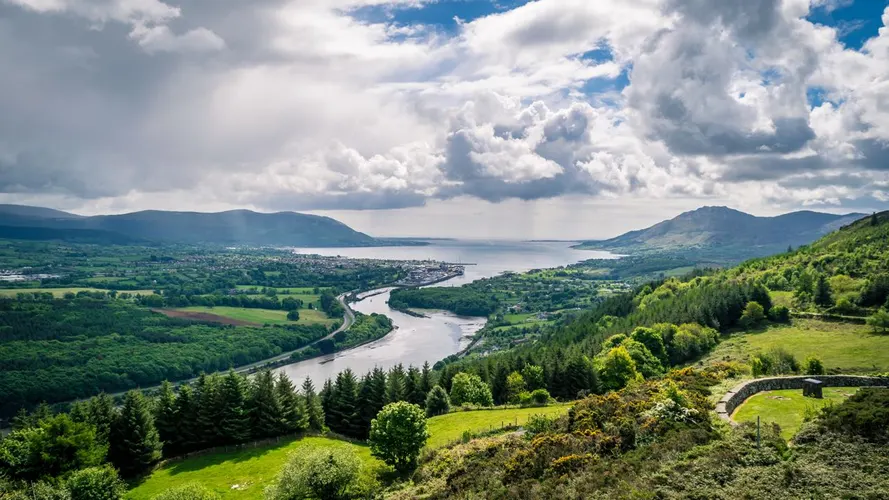
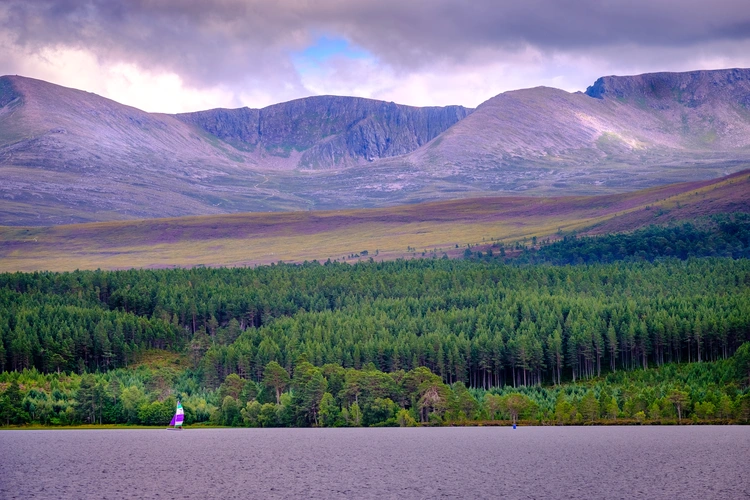
Best easy hikes in United Kingdom
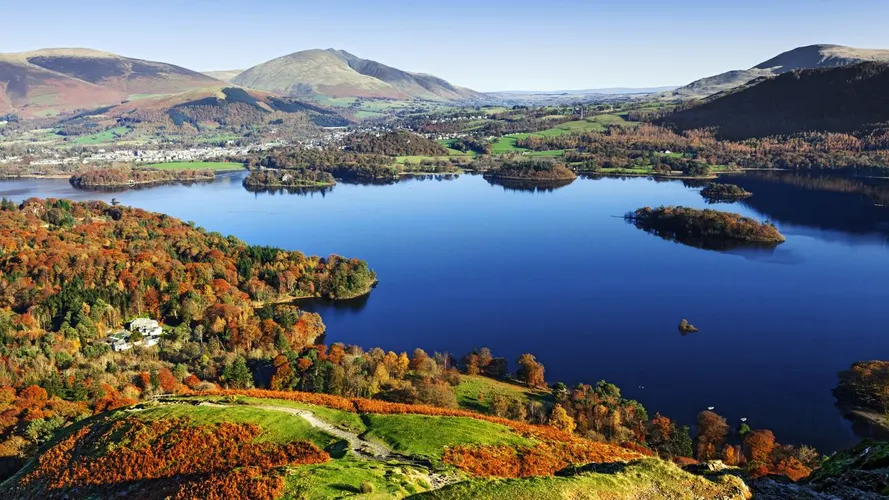
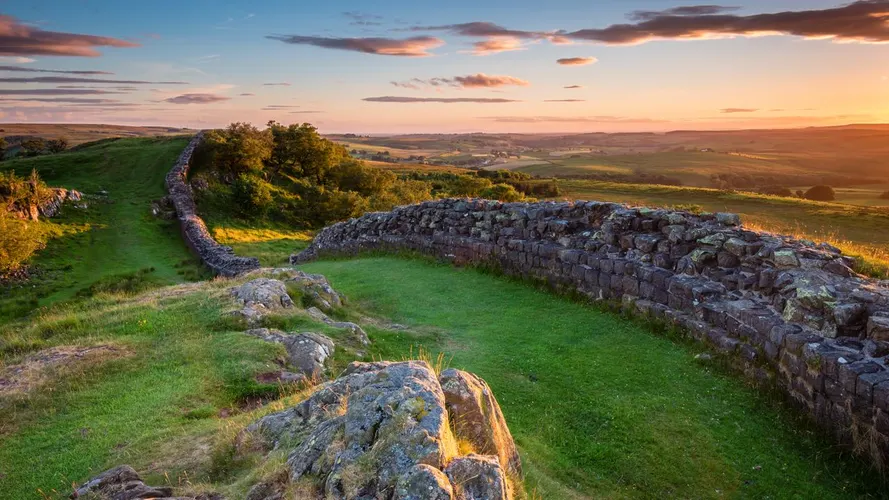
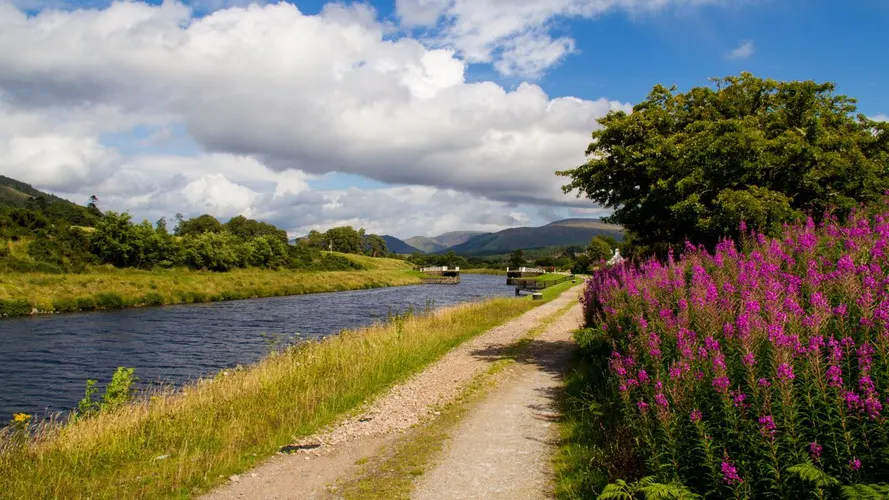
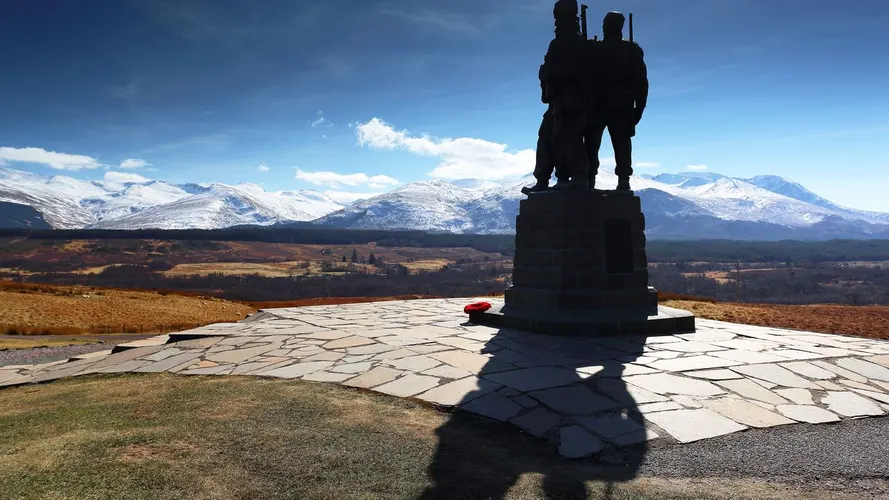
Looking for a leisurely stroll? These easy hikes are perfect for those who want to enjoy the great outdoors without breaking too much of a sweat.
Here are some great hikes to explore in United Kingdom.
Most popular hikes
Reviews for easy hikes in United Kingdom


Ruth Thunderwhistle Goodall · reviewed over 4 years ago
Muddy! Not difficult but a bit of a trudge if doing it in its entirety, as I did. Took me five days. Some lovely views.

Another walk out · reviewed about 1 year ago
Completed this trail at the end of August . Even know this is an easy to moderate trail with not a lot of elevation. This trail is quite remote and depends on how long you plan , you will need to pack out food for 4-6 days and your tent . It’s a great trail and not very popular, I found it just as good as the WHW even better.

MarkJ · reviewed 7 months ago
3.5 ⭐️ I finished the trail over three days and Wildcamped. The start of the trail is just outside the village of Avebury which is the home to Neolithic Stones which i definitely recommend to visit first. And you can get the 49 Bus from swindon. There are not many re supply points on trail I think I only stopped at two shops one in Goring at halfway point and in wendover towards the end. There were a few water taps to fill bottles. I completed the trail in March after a lot of rain the paths were very muddy so I think if the weather was warmer and later on in the year the trail would be nicer experience. The end of the trail is near Tring station which is very handy to get back Home.
Frequently asked questions for hikes in United Kingdom




More hikes in United Kingdom
by difficulty
by type
- Bridge
- Canyon
- Cave
- City Walk
- Coastal
- Dog Friendly
- Event
- Family Friendly
- Forest
- Historic Landmarks
- Kid Friendly
- Lake
- Lookout Towers
- Mountain Views
- Native Woods
- No Dogs
- Partially Paved
- Paved
- Pub Walk
- Rail Trail
- River
- Rock Formations
- Scenic Views
- Stroller Friendly
- Waterfall
- Wheelchair Accessible
- Wildflower
- Wildlife
by activity
- Backpacking
- Bike Touring
- Birding
- Camping
- Environmental Education
- Fishing
- Foraging
- Hiking
- Historical Sites
- Horseback Riding
- Long Distance
- Mountain Biking
- Nature Trips
- Paddle Sports
- Photography
- Rock Climbing
- Road Biking
- Running
- Scenic Routes
- Seasonal Hikes
- Stargazing
- Trail Running
- Walking
- Wildflower Viewing
- Wildlife Viewing