
Best extra difficult hikes in Spain
Only the bravest need apply! These extra-difficult hikes are not for the faint of heart.
Here are some great hikes to explore in Spain.
Most popular hikes
Reviews for extra difficult hikes in Spain
Adam · reviewed about 4 years ago
A special trail passing through some spectacular mountain landscapes , forests and valleys. Well marked with a number of alternative variations and updated sections. The Hiiker app proved excellent for simple occasional offline navigation section maps and details., I used it in conjunction with the also excellent Cicerone guide written by Brian Johnson . La Senda Pirenaica (AkaGR11) is popular but far from crowded . Wild camping is permitted in the higher mountain areas.
Fiona (Feefifofum) · reviewed about 3 years ago
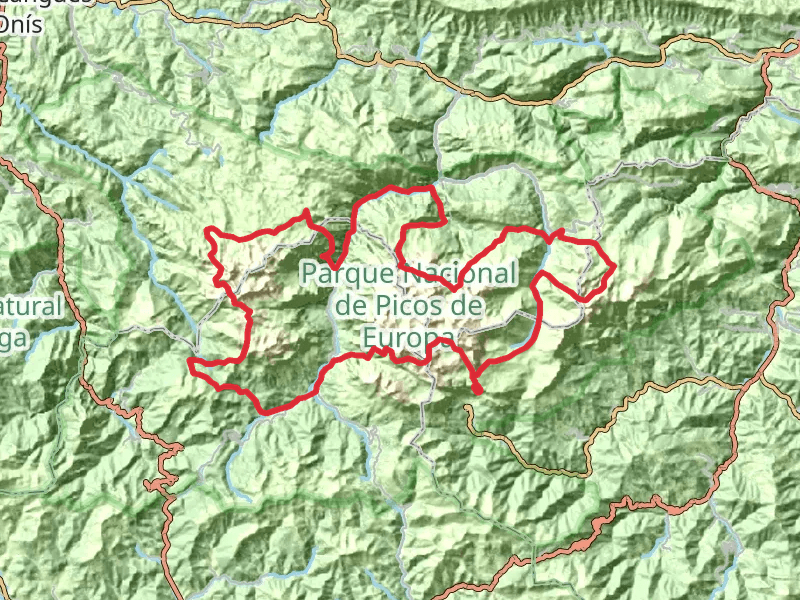
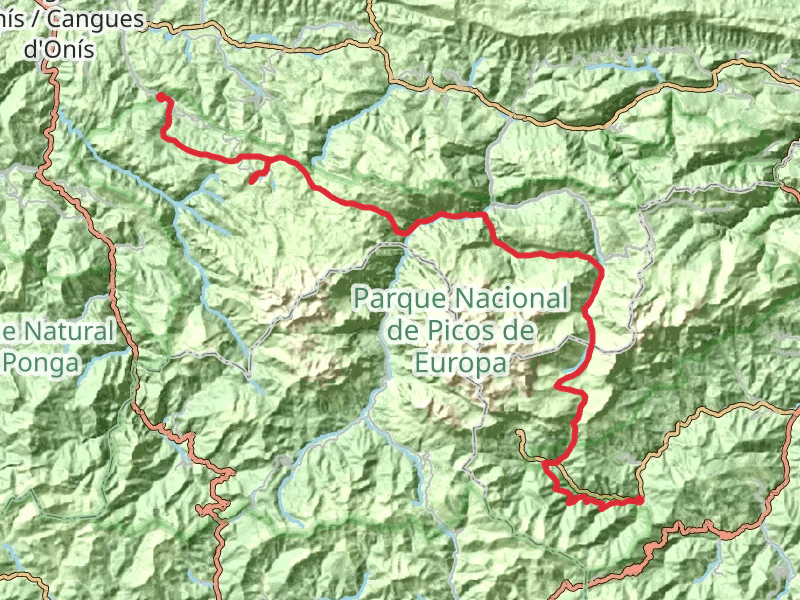
This was probably one of the most amazing and hardest hikes iv ever done. Loved it! Some alt routes from the map but we based our trail on the El Anillo Extrem, the western and central mastiffs. Self navigating we started and ended our loop in Poncebos. Day 1 was a gorgeous hike on the famous Ruta del Cares then up the very steep Trea Channel to arrive at our first Refugio, Vega de Ario, where we were absolutely spoilt with some of the best food on the trail. Day 2 was a gentler hike to Vegaredonda, passing the beautiful Lake Enol where there was a shop to get cold drinks and coffee. Day 3 we were suppose to hike to Vegabaño but we had an injury in the group so hiked out to a town. Day 4 was an impromptu rest day while we sorted out our injured party. Day 5 we got back on trail from Posada de Valdeón and hiked to Collado Jermoso, this was a brilliant Rufugio with amazing views and also delicious food. Day 6 was a stunning part of the trail, going over snow passes and climbing steep, sharp rocks to reach Cabaña Verónica, made from recycling an anti-aircraft battery from an aircraft carrier, really cool! From there, we hiked into Sotres, the highest village in the Picos where we sampled the famous Asturian cider that has to be poured from a height. Day 7 we got to explore the town of Bulnes, the only way in and out of the town is to hike or get the Funicular, an underground transport through the mountain, really cool experience and takes off the last 10km of a very steep descent section of the hike back to Poncebos. Overall I would highly recommend this trail to experienced hikers. There are sections that are well-marked by either yellow or red paint on rocks and trees but in other sections, you need a map and compass to navigate. We hiked through towns, forests, snow, ice, steep rocks and gorgeous fields, such a varied terrain.
Wonkeywalks · reviewed over 3 years ago
Beautiful trail, completed in 6 days, just under 100 miles. 6000+ meters of climbing. stunning scenery, it's easy to see why the Serra de Tramuntana is a world heritage site. It's tough, steep, rocky hiking with beautiful villages perfectly spaced along the route. There are great refuges along the trail as well as other types of accommodation. Very little waymarking so the gpx route on Hiker was brilliant for helping us stay on track.

Andalucian Coast to Coast Walk
Juan Quijada Ruiz · reviewed over 5 years ago
¿Qué te ha parecido la ruta? ¿Cuánto has tardado? ¿En qué condiciones está la ruta? ¿En qué época del año la has hecho? ¿Deseas añadir algun enlace?

Frequently asked questions for hikes in Spain