
Download
3D Flyover
Add to list
More
7.6 km
~1 hrs 43 min
131 m
Loop
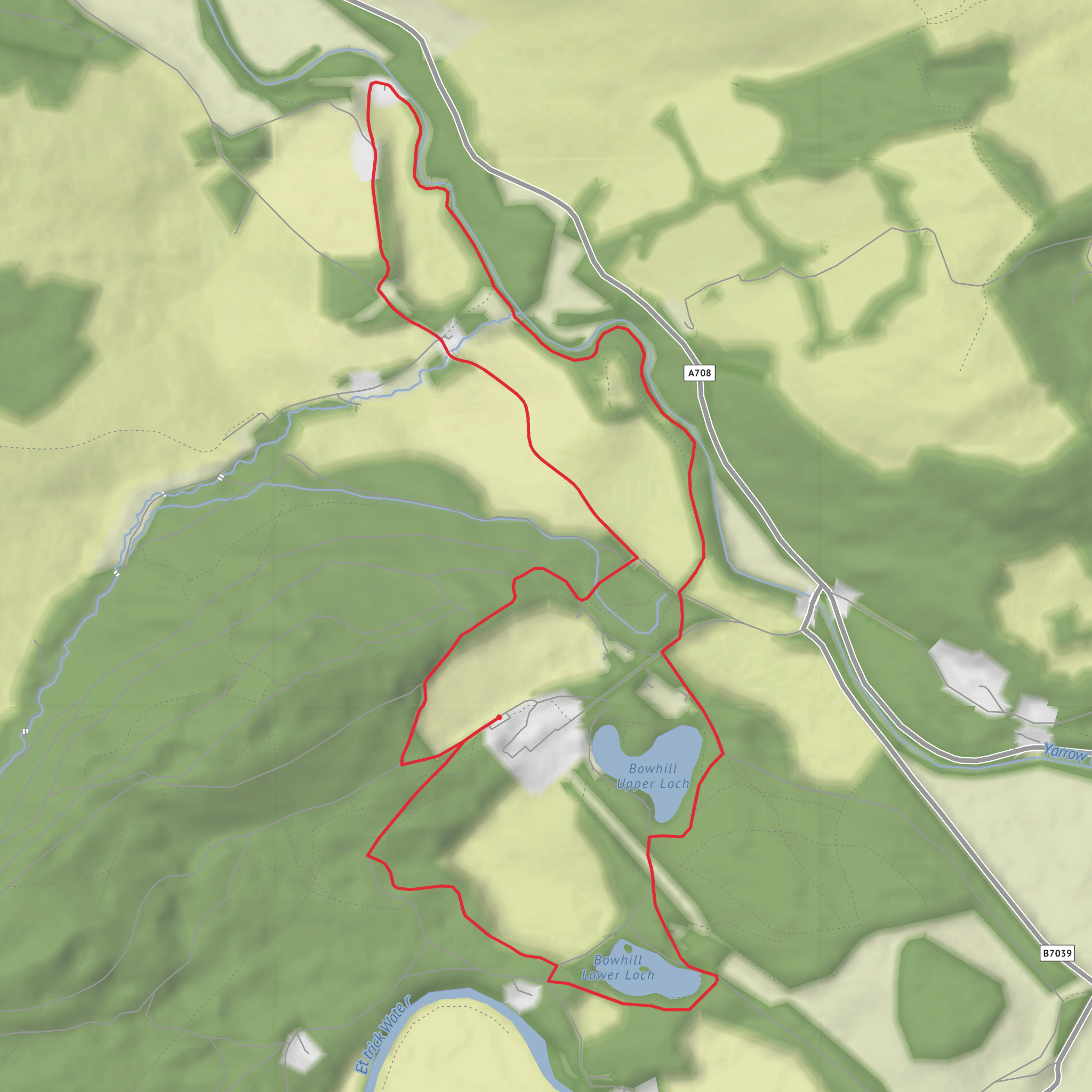
“A gentle lakeside ramble where castle ruins, calm waters, and birdsong create a quietly varied escape.”
This easy loop of around 8 km (5 miles) with roughly 100 m (330 ft) of elevation gain is the kind of walk that suits a relaxed half day, combining waterside paths, gentle woodland or parkland walking, and the added interest of Newark Castle as a historic focal point. With only modest climbing, it is well suited to families, casual walkers, and anyone looking for a route that feels varied without being strenuous. Expect mostly straightforward terrain, though paths near lakes and low-lying sections can become muddy or slick after rain, so waterproof footwear is still a sensible choice.
The route appears to centre on the lakes and Newark Castle area, so the most useful nearby landmark for planning is Newark Castle, Newark-on-Trent, Nottinghamshire NG24 1BG, which is also close to Newark Castle railway station. Newark Castle itself stands beside the River Trent and is one of the town’s defining historic landmarks. It dates back to the 12th century and played an important role during the English Civil War, when Newark was a major Royalist stronghold and endured repeated sieges. Historic England notes the castle’s medieval origins, while local trail information places it as a convenient access point for walks in the riverside parkland around town. (historicengland.org.uk)
For hikers arriving by car, Newark Castle is the clearest navigation point and there is parking available nearby in the town centre and castle area. If using public transport, Newark Castle station is only a short walk from the castle grounds, making rail access especially convenient. Newark North Gate station is also in town and can work as an alternative arrival point with a slightly longer walk or short local connection. Trail information for nearby Newark walks highlights the station access as one of the easiest ways to reach the start on foot. (hiiker.app)
What to expect on the route
The walking is likely to begin on easy, well-used paths near the castle and riverside green space before moving toward the lower and upper lakes. On a route of this length and elevation, the climbing should feel gradual rather than sustained, with small rises between water features, embankments, or park edges rather than any major hill. That makes pacing simple: most hikers can treat it as a leisurely circuit with time to stop for views, birds, and the castle ruins.
Around the lower lake, expect the gentlest section of the walk. These stretches are often the most sheltered and can feel especially calm in the morning, with still water reflecting trees and open sky. The upper lake section may feel a little more open, depending on the exact line of the path, and can offer broader views across the water and surrounding green space. Because the route is easy and relatively short, it is ideal for slower exploration rather than fast mileage.
If conditions have been wet, low points near the lakes may hold puddles and softer ground. In drier weather, the route should be straightforward and accessible for most walkers. Since local paths around Newark can include a mix of gravel, dirt, grass, and some firmer surfaced sections, it is worth checking the route line on HiiKER before setting out so you know where the loop leaves the most obvious park paths. Nearby HiiKER trail listings for Newark describe similarly easy terrain with riverside and parkland walking, and note that some sections can be muddy after rain. (hiiker.app)
Landmarks, wildlife, and scenery
The standout landmark is Newark Castle itself. The ruins sit dramatically above the River Trent and give the walk a strong sense of place from the outset. Even if the lakes are the main scenic draw, the castle adds a layer of medieval and Civil War history that makes the route more than just a waterside circuit. The surviving masonry, river setting, and open grounds make this one of the most visually distinctive historic sites in Nottinghamshire. (historicengland.org.uk)
The lakes should provide the best opportunities for wildlife watching. On easy lowland loops like this, common sightings often include swans, ducks, coots, moorhens, gulls, and smaller songbirds in the surrounding scrub and trees. If there are reed-fringed edges or quieter corners, keep an eye out for dragonflies in warmer months and for rabbits or squirrels along the path margins. The nearby riverside park route at Newark is specifically noted for birdlife such as swans and ducks, and for its green, well-kept waterside setting. (hiiker.app)
Vegetation is likely to be typical of managed lakeside
Surfaces
Unknown
Asphalt
Comments and Reviews
User comments, reviews and discussions about the Lower Lake, Upper Lake and Newark Castle Loop, Scotland.
average rating out of 5
0 rating(s)
