Download
3D Flyover
Add to list
More
8.2 km
~1 hrs 38 min
0 m
Out and Back
“Baleshare offers a windswept wander of machair, dunes, and luminous shores under ever-changing Hebridean skies.”
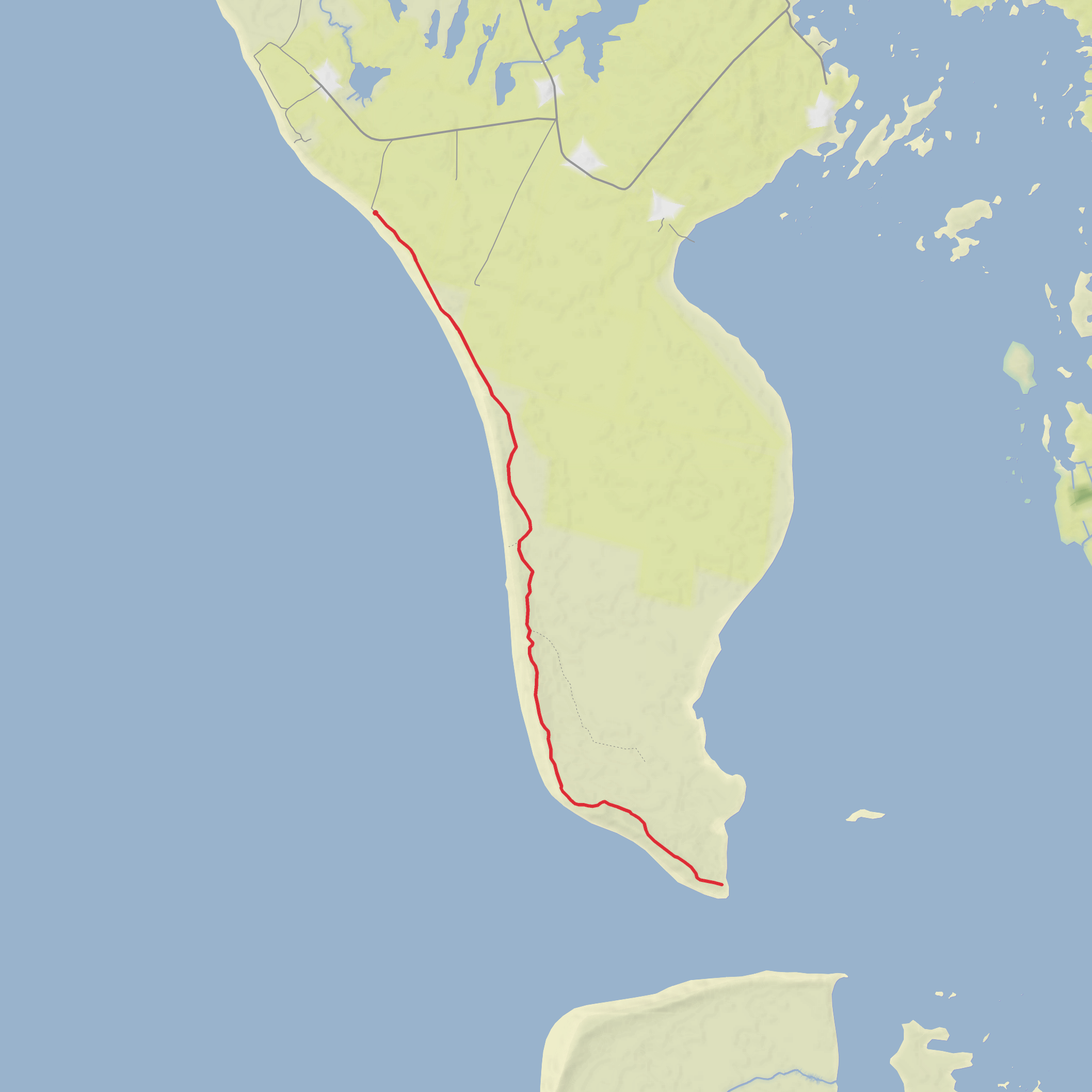
This easy coastal walk on Baleshare in the Outer Hebrides is more about space, shoreline, and atmosphere than climbing. Over roughly 8 km / 5 miles, the route stays almost flat, with only negligible ascent—around 0 m / 0 ft overall, though you should still expect minor undulations across sand, machair, and rough coastal ground. Baleshare itself is a low-lying tidal island linked to North Uist by a causeway, and the name Baile Sear is the Gaelic form of Baleshare. The channel of Beul an Toim separates the island from Benbecula to the south. (de.wikipedia.org)
The start is best understood as being near the Baleshare Causeway on Baleshare, Isle of North Uist, Na h-Eileanan Siar, Scotland, which is the most recognizable access point and landmark for reaching the island. If you are driving, you approach via North Uist and cross the causeway onto Baleshare; the causeway was built in 1962 and remains the key road link to the island. If you are relying on public transport, the W16 bus between Benbecula and North Uist passes the Baleshare Turn on the main spine route, from where you would continue on foot or arrange onward local transport depending on your exact starting point. For wider access to the Uists, Benbecula Airport is the main air gateway, and ferry links serve nearby islands including North Uist. (commons.wikimedia.org)
Expect a walk defined by open horizons and changing coastal light. Because the island is very low, the sense of exposure can be greater than the distance suggests. In calm weather this feels gentle and expansive; in wind or rain it can feel much more committing. Waterproof layers, extra wind protection, and footwear that can handle damp grass, sand, and occasional soft patches are sensible even for an easy outing. Navigation is usually straightforward in clear conditions because the terrain is open, but paths can be faint or intermittent, so checking the route in HiiKER before setting out is worthwhile. (de.wikipedia.org)
What the route feels like
From the causeway side, the walk unfolds across a landscape of croft land, machair, dunes, and broad beaches. Machair is one of the defining features here: a rare shell-sand grassland found mainly in the north-west of Scotland and especially well developed in the Uists. It is typically backed by dunes and can be exceptionally rich in flowers, insects, and birdlife in the warmer months. On a walk of this length, you are likely to move between firmer road or track, grassy sections, and softer coastal margins, so pace can vary even though the terrain is flat. (nature.scot)
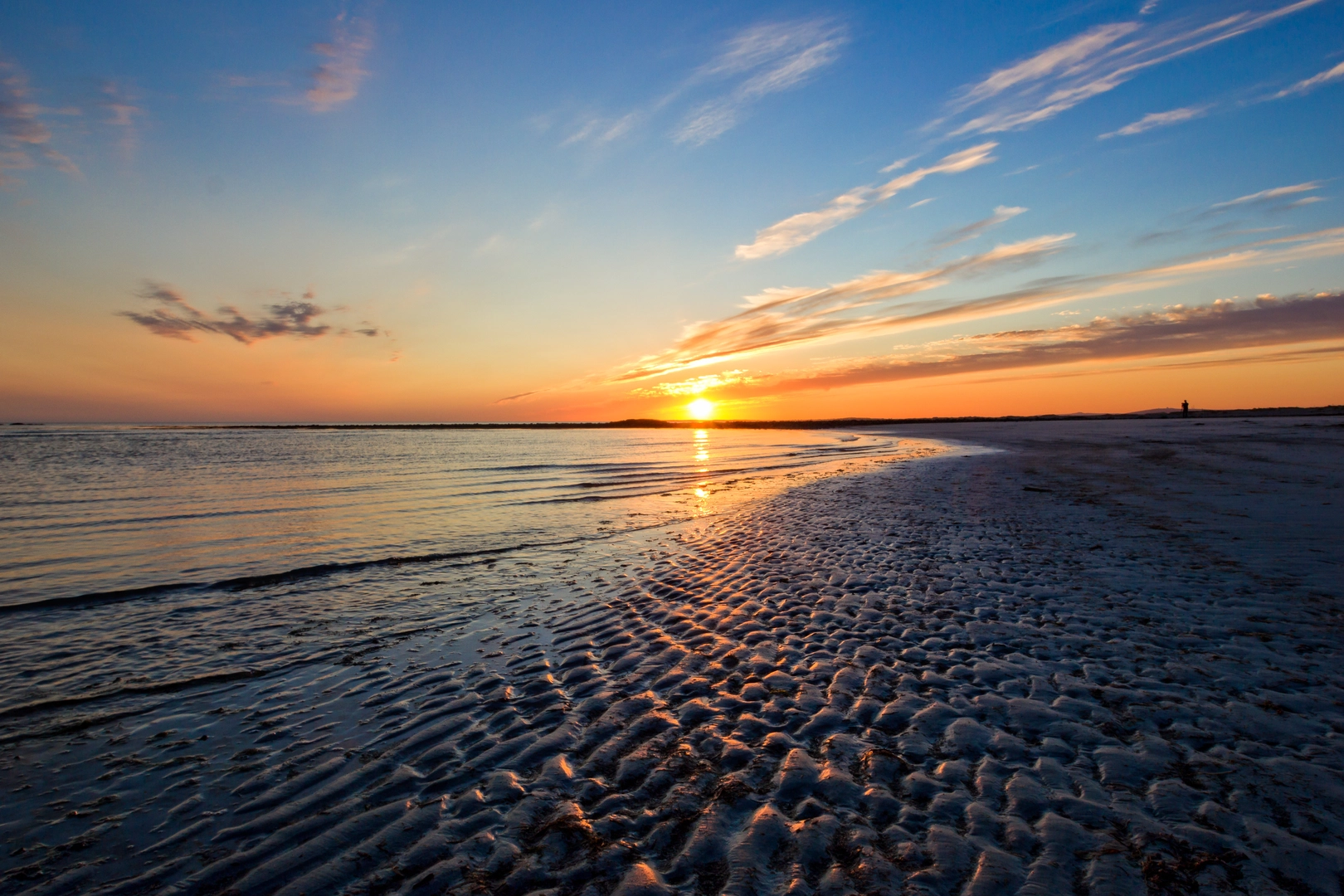
The western side of Baleshare is particularly known for wide sandy shores and Atlantic views, while the eastern side looks toward the tidal waters of North Ford and back to North Uist. That contrast gives the walk variety: one side feels ocean-facing and elemental, the other quieter and more enclosed by tidal channels and inlets. At low tide, the surrounding seascape changes dramatically, which is part of the appeal, but it also means wet ground and shoreline conditions can shift through the day. (de.wikipedia.org)
Landmarks, wildlife, and local character
One of the most interesting things to look out for is the island’s archaeological depth. Baleshare is known for prehistoric remains, including a wheelhouse site at Ceardach Ruadh on the west side of the island, where coastal erosion has exposed evidence of Iron Age settlement. A wheelhouse is a distinctive type of later prehistoric round structure found in Atlantic Scotland, and its presence here is a reminder that these seemingly quiet coasts have been inhabited for a very long time. (canmore.org.uk)
The natural setting is just as significant. The machair and adjacent coastal habitats support invertebrates and breeding birds, and across the Uists these habitats are especially important for ground-nesting species. Depending on season, hikers may see or hear waders and other coastal birds using the grassland, shore, and nearby wetlands. This makes spring and early summer especially rewarding, but also a time to tread carefully, keep dogs under close control, and avoid disturbing nesting areas.
Comments and Reviews
User comments, reviews and discussions about the Beul an Toim - Baile Sear, Scotland.
average rating out of 5
0 rating(s)

