Download
3D Flyover
Add to list
More
16.4 km
~3 hrs 23 min
72 m
Point-to-Point
“A richly varied shoreline ramble links windswept ruins, ancient caves, and sea-bright views to Crail.”
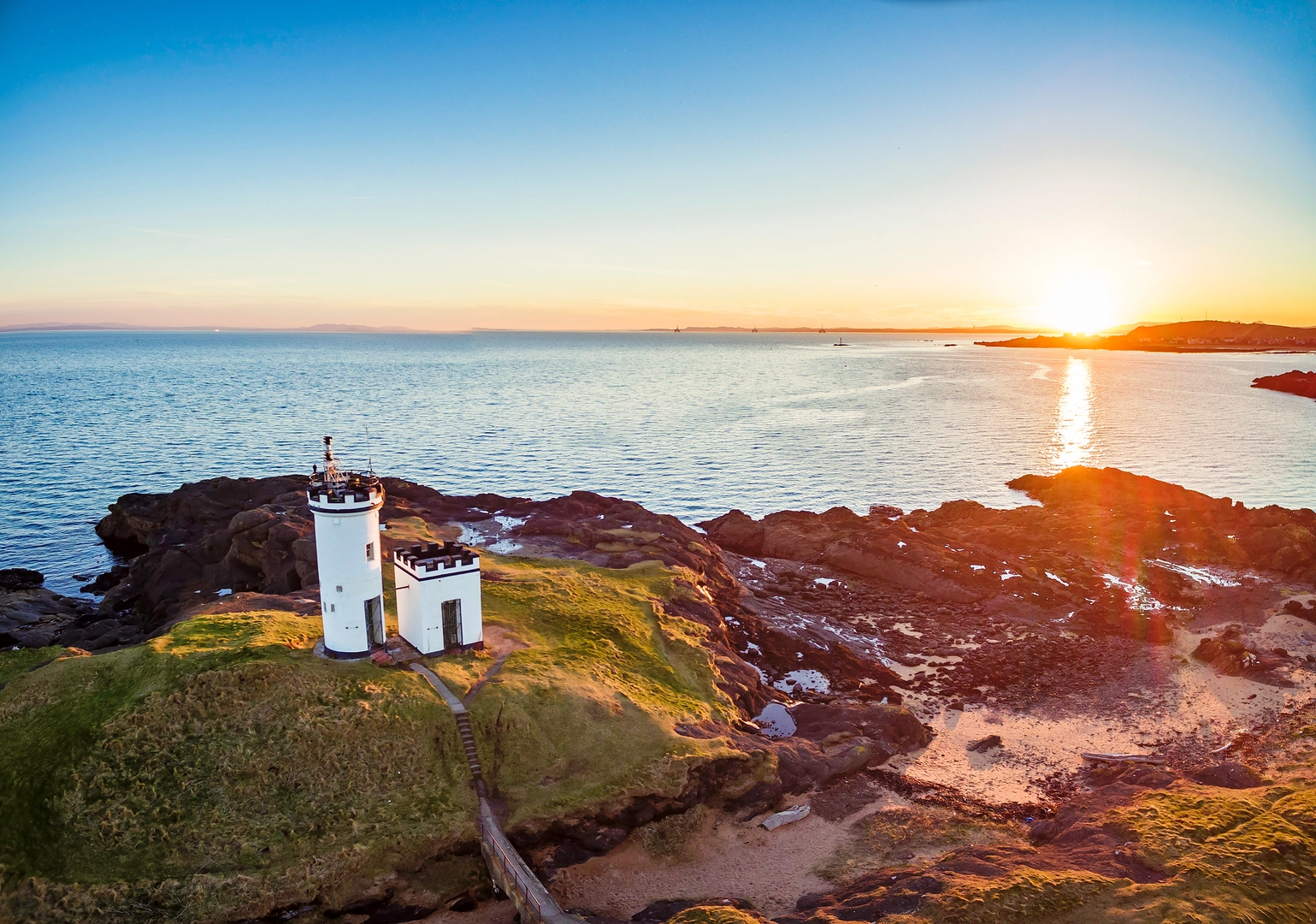
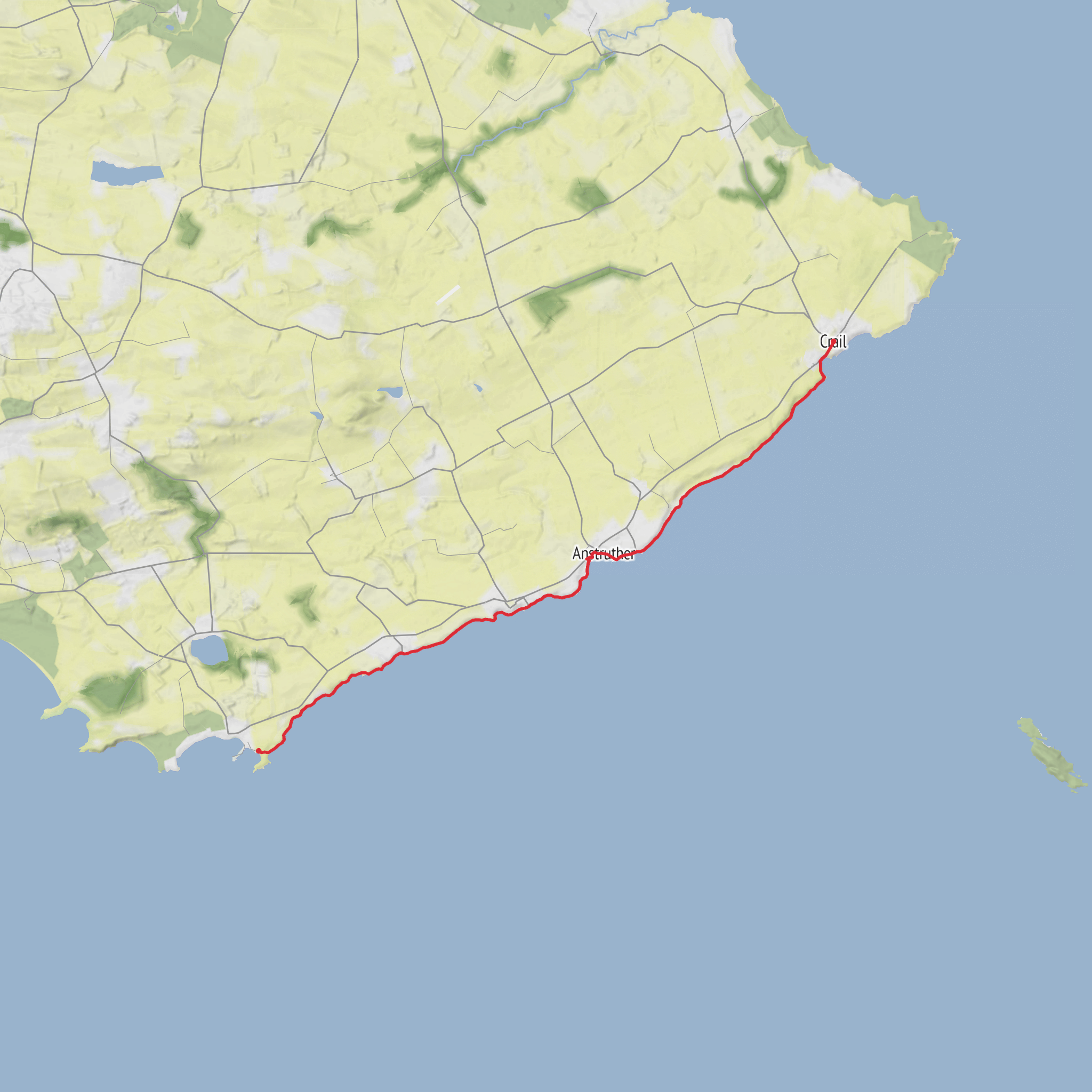
This easy coastal walk runs for about 16 km / 10 miles with only around 100 m / 330 ft of ascent, but it packs in a remarkable amount of variety. You begin near Elie Ness Lighthouse and Ruby Bay, Elie, Fife, which is the clearest nearby landmark for the start, then follow the Fife Coastal Path east toward Crail. The terrain is generally straightforward: a mix of sandy shore, grassy coastal path, farm-edge tracks, short road or diversion sections, and clifftop walking. Although the elevation gain is modest, the route feels constantly scenic rather than flat and featureless, with repeated small rises and dips above coves and rocky inlets. Parts of this stretch have had erosion-related diversions in recent years, so it is wise to check the current line on HiiKER before setting out. (alltrails.com)
From Elie, the path quickly settles into classic East Neuk scenery: open views across the Firth of Forth, low sandstone cliffs, rocky shelves exposed by the tide, and pockets of beach. Early on, the walking is gentle and very accessible for most hikers, which suits the easy rating, but the coast can still demand attention in wet or windy weather. Some sections near the shore can be slippery underfoot, and where the official route is diverted inland, the walking may briefly feel less intuitive than a simple shoreline ramble. If you are planning carefully, allow time not just for the distance but for stops at the ruins, caves, and viewpoints along the way. (alltrails.com)
Route character and what to expect
The first major landmark is Ardross Castle, reached after the opening stretch east of Elie. The ruins stand in a dramatic coastal position above the shore and are among the most atmospheric points on the route. Ardross was the historic name for the estate around modern Elie, and the castle is generally dated to at least the late medieval period, with sources placing it around the 14th or 15th century. Its exposed setting helps explain both its appeal and its fragility: this whole coastline is naturally eroding, which is one reason route changes sometimes affect this section of the path. (stravaiging.com)
Beyond Ardross, the route continues through open coastal farmland and cliff scenery toward Newark Castle. This is another striking ruin, perched close to the sea west of St Monans. Newark Castle has a long history of ownership through prominent local families and is one of the defining historic structures on this part of the Fife coast. The approach to it is especially memorable, with the ruin appearing ahead above the shoreline. This section can feel wilder than the mileage suggests, especially when the wind is coming in off the water. (en.wikipedia.org)
After St Monans and the fishing-village stretch farther east, the walk gradually builds toward one of its most distinctive features, the Caiplie Caves, on the coastal path between Anstruther and Crail. These caves are cut into the sandstone cliffs and are not just geological curiosities; they also carry religious and archaeological significance. The largest, often called Chapel Cave, has long been associated with early Christian use, and carvings including crosses have been noted here. This gives the route a strong sense of layered history, where natural coastal erosion, early devotion, and later local folklore all meet in one place. (en.wikipedia.org)
From the caves, the final approach to Crail becomes more open and expansive. The path trends toward one of Fife’s most attractive historic fishing villages, with sea views widening and the sense of arrival building as the harbour and old settlement come closer. Crail itself has deep medieval roots, and the village is known for its harbour, mercat heritage, and surviving fragments of older fortification. After a long but relatively undemanding day, it makes a fitting finish with useful transport links and places to pause once the walk is done. (crailfestival.org)
Landmarks, wildlife, and local character
This is a walk where the coastline is the main attraction, but the detail matters. Expect rocky platforms, sea-pinks and other salt-tolerant coastal plants in season, rough grassland above the cliffs, and broad views south across the Firth of Forth. Seabirds are a constant companion, and along the wider
Surfaces
Ground
Asphalt
Dirt
Unknown
Gravel
Grass
Sand
Cobblestone
Wood
Unpaved
Concrete
Comments and Reviews
User comments, reviews and discussions about the Elie Ness to Crail via Ardross Castle, Newark Castle and Caiplie Caves, Scotland.
average rating out of 5
0 rating(s)
