Download
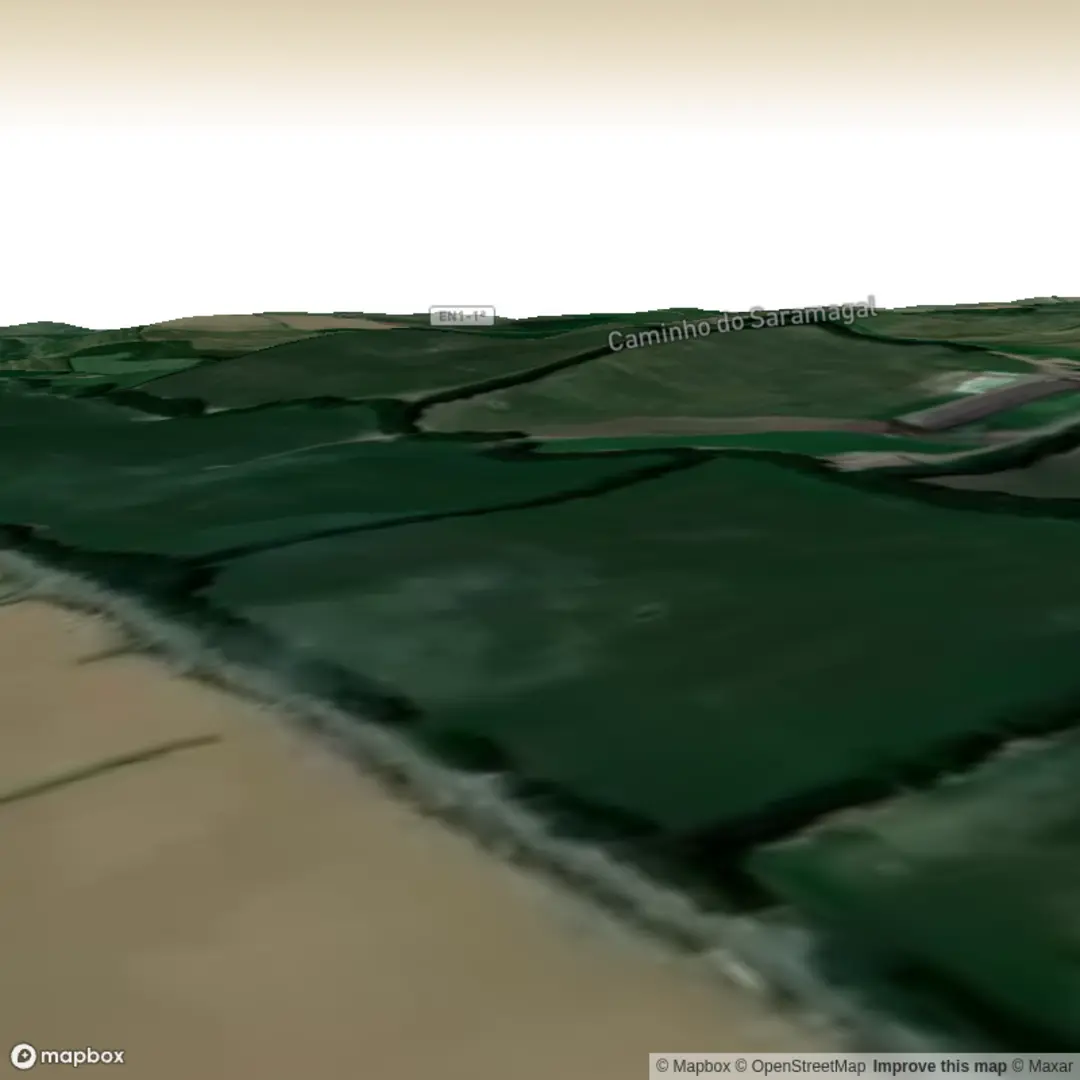
3D Flyover
Add to list
More
5.6 km
~1 hrs 57 min
501 m
Out and Back
“A steep Atlantic descent to basalt vineyards and a hidden fajã, with a punishing climb back.”
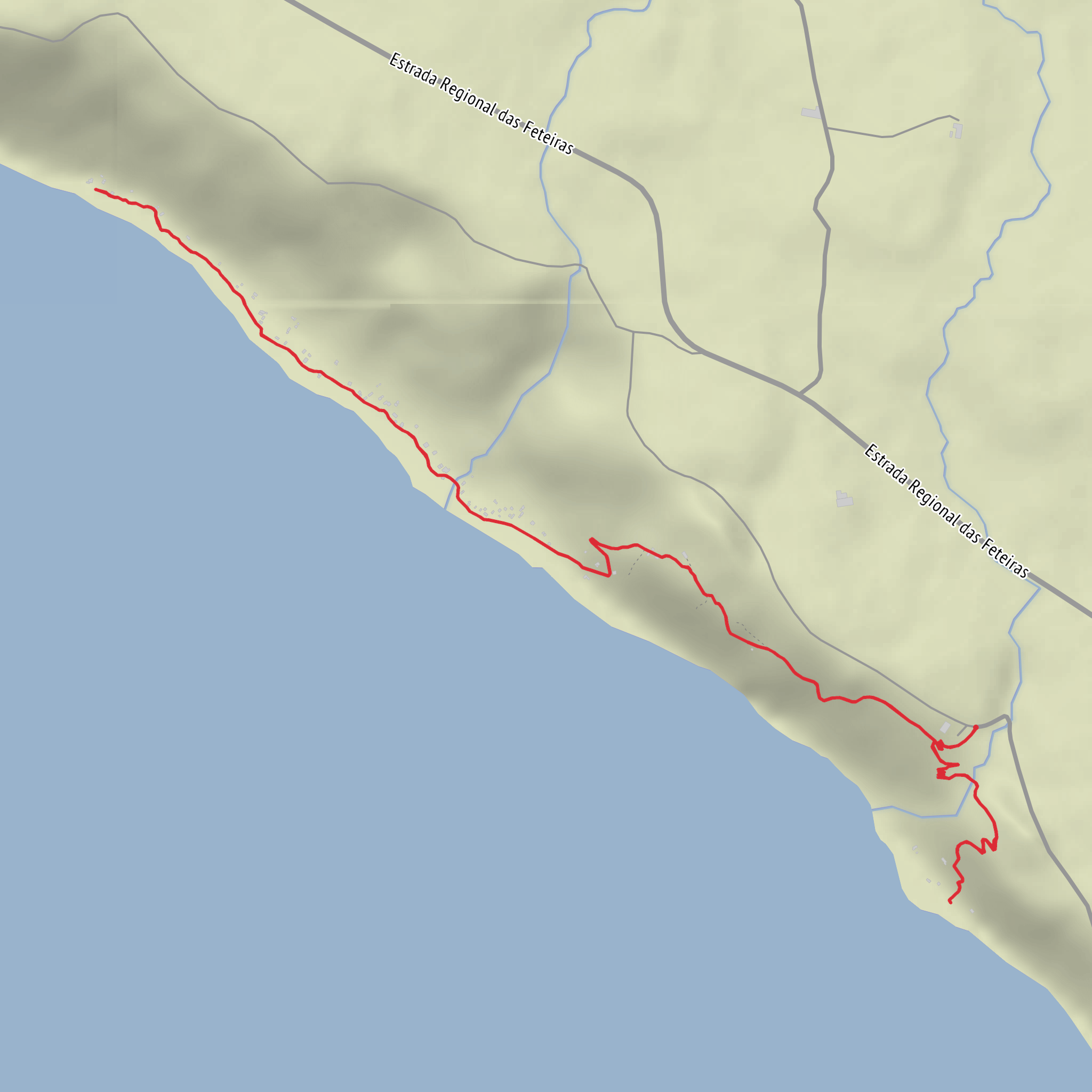
This is a short but demanding coastal out-and-back on São Miguel that packs a lot into roughly 5.5 to 6 km / 3.4 to 3.7 miles, with about 500 m / 1,640 ft of total ascent on the return. The route drops from the clifftop near Miradouro do Caminho Novo, Relva, 9500-655 Relva, Ponta Delgada, São Miguel to the sea, first branching toward Rocha do Cascalho and then continuing to Rocha da Relva, one of the island’s few detrital fajãs—a flat coastal shelf formed by accumulated rockfall at the base of a high cliff. Official Azores trail information lists the walk at 5.5 km with an average time of about 3 hours, and describes it as a linear out-and-back route. (trails.visitazores.com)
The start is on the south coast outskirts of Ponta Delgada in the parish of Relva, beside or very near Miradouro do Caminho Novo, a known viewpoint above the coast and the usual reference point for access to the trail. The official trail sheet places the start on the regional road next to this viewpoint, and local Relva sources identify the miradouro as a major landmark in the parish. (itrails.visitazores.com)
Expect the hardest part of the hike to be the climb back up. The descent can feel deceptively easy at first because much of it follows a paved or cemented lane, but the return turns that same gradient into a sustained uphill effort. For a route of only around 6 km / 3.7 miles, the elevation change makes it feel much more serious than the distance suggests. Good footwear, water, and care on steep sections matter here, especially in heat or after rain. The official guidance also advises hikers to stay on the marked trail and avoid shortcuts. (trails.visitazores.com)
What the route is like
From the trailhead, the path heads downhill on a paved access road until the first signed left turn for Rocha do Cascalho. This side branch descends about 600 m / 0.37 mi to sea level, passing small houses, wine cellars, and vineyards enclosed by traditional basalt-stone walls. These stone enclosures protect crops from salt spray and wind while creating a milder growing environment. At the bottom, there is a resting area by the ocean. If seas are calm and conditions are safe, this shoreline can look inviting, but Atlantic swell and slippery rock are real hazards, so caution is essential. (trails.visitazores.com)
After returning to the junction, the main route continues toward Rocha da Relva, still beneath the high cliff. Along this section you pass summer houses, orchards, more vineyard plots, fountains, and an altar or shrine dedicated to Nossa Senhora dos Anjos. The trail ends near the last houses of the fajã, where you turn around and retrace the same route back to the top. (trails.visitazores.com)
The scenery is defined by contrast: a high volcanic escarpment above, a narrow cultivated coastal platform below, and open Atlantic views throughout. Geologically, this is one of the more interesting short walks on São Miguel because the fajã itself is a landform created by material that accumulated at the base of the cliff, and official Azores walking material highlights the visible sequence of volcanic materials that helps tell the eruptive story of the surrounding landscape. (trails.visitazores.com)
Landmarks, nature, and wildlife
The most distinctive landmarks are the cliff of Rocha do Cascalho, the cultivated fajã at Rocha da Relva, the basalt vineyard currais, the resting area by the sea, and the Nossa Senhora dos Anjos shrine along the route. Donkeys are also specifically associated with this trail; official information notes that they have traditionally been used to transport goods and materials to the rocha, reflecting how isolated these coastal shelves once were and, to a degree, still are. (trails.visitazores.com)
Botanically, the route is shaped as much by agriculture as by wild vegetation. The microclimate at the base of the cliff favors vineyards and other horticultural crops, which is why you will see cultivated plots and fruit trees in addition to coastal plants. Hikers are specifically asked not to pick fruit or vegetables along
Comments and Reviews
User comments, reviews and discussions about the Rocha do Cascalho and Rocha da Relva, Portugal.
average rating out of 5
0 rating(s)