Download
3D Flyover
Add to list
More
613 m
~7 min
0 m
Out and Back
“A gentle forest ramble to a misty waterfall viewpoint—brief, refreshing, and slippery near the spray.”
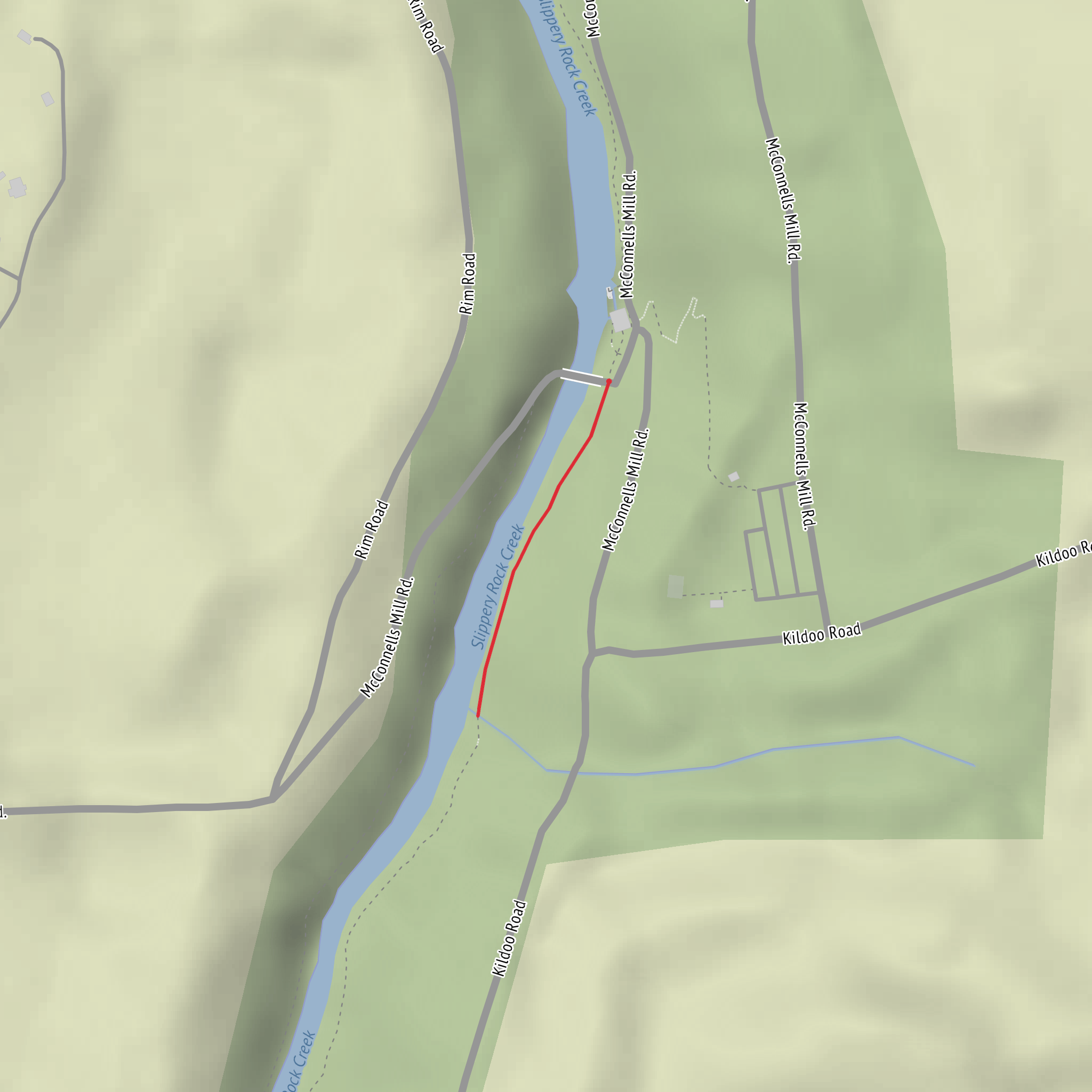
A short, mostly level out-and-back to a waterfall viewpoint, this walk is ideal if you want moving water and forest scenery without committing to a long day. At roughly 1 km (0.6 mi) total with about 0 m (0 ft) of climbing, it’s well-suited to families, casual walkers, and anyone looking for a quick nature stop—though the ground near the falls can be slick and deserves the same attention you’d give a longer hike.
Getting to the trailhead (car + public transport)
You listed the hike head as “near” but didn’t include coordinates or a nearby town/landmark. If you share a lon/lat (or even the nearest community/park name), I can convert it to the nearest known address or significant landmark and tailor directions precisely.
For now, here’s the practical approach most hikers use for short waterfall walks like this:
- By car: Plan to park at the closest signed trail access/roadside pull-off for Kildoo Falls (often a small gravel area rather than a formal lot). Arrive early on weekends—short waterfall trails can fill up fast, and roadside parking may be limited or restricted.
- By public transport: These micro-hikes are often not directly served by transit. The usual method is to take regional transit to the nearest town, then use a taxi/rideshare to the closest trail access point. If you tell me the nearest town you’ll be coming from, I can outline the most realistic transit chain.
Navigation tip: download the route on HiiKER before you go; short trails near waterfalls often have multiple social paths that can pull you off the main line.
What the walk is like (surface, grade, and pacing)
From the trail access, expect a gentle, nearly flat stroll through mixed woodland or riparian vegetation, with the sound of water becoming more noticeable as you approach the falls. Because the total distance is only about 1 km (0.6 mi), most people will reach the main viewpoint quickly—even at a relaxed pace.
Underfoot is typically a mix of: - Packed dirt and leaf litter (can be slippery when wet) - Roots and small rocks (easy to trip on if you’re looking at the scenery instead of your feet) - Short muddy patches after rain, especially in shaded sections
Even with minimal elevation gain, the “difficulty” can change day-to-day based on moisture: waterfall corridors create their own damp microclimate, and spray can keep rocks slick even when the rest of the forest feels dry.
The falls and key landmarks
The main landmark is the waterfall itself—usually best appreciated from a natural viewing area where the trail meets the creek/river corridor. On many short waterfall hikes, you’ll notice: - A cooler, wetter pocket of air near the water - Mossy rock and darker, moisture-loving plants close to the spray zone - One or more informal side paths leading closer to the base or to alternate angles
Be cautious around the lip and plunge pool area: - Wet rock = low friction. Treat any slanted bedrock like ice. - Undercut edges can exist near fast water, especially after storms. - If there’s a scramble option, assume it’s optional—the safest experience is often from the established viewpoint.
Nature and wildlife to look for
Waterfall ravines and streamside woods tend to concentrate life. Depending on the region, you may see: - Ferns, mosses, and lichens thriving in the constant humidity - Songbirds using the corridor as a travel route (listen for calls over the water) - Amphibians (frogs/salamanders) in damp leaf litter—watch where you step near puddles and seep areas - Insects: expect mosquitoes/gnats in warm months, especially in still air pockets near the creek
If this hike is in bear country or an area with habituated wildlife, keep snacks sealed and avoid lingering with food at the viewpoint—short trails can see heavy traffic, and wildlife quickly learns patterns.
Hazards and what to pack for an “easy” 1 km (0.6 mi) hike
Even easy waterfall walks benefit from a little preparation: - Footwear: closed-toe shoes with decent tread; avoid smooth-soled casual shoes if it’s damp. - Layers: waterfall areas can feel cooler; a light shell helps with spray and sudden showers. - Trekking poles (optional): helpful if the approach has roots/mud, especially for anyone with balance concerns. - Water: you won’t need much for distance, but bring some—short hikes still happen in heat. - Leave No Trace: stay on the main tread; social trails accelerate erosion around falls.
Historical significance (how I’ll tailor this accurately)
“Kildoo” may reflect a local place-name history (sometimes tied to early settlement, land use, or older linguistic roots), and waterfall sites are often associated with historic milling, logging routes, or early recreation areas—but the specifics depend entirely on which Kildoo Falls you mean.
If you provide either: - the lon/lat, or - the nearest town/park/road name,
…I’ll pin it to the nearest recognized landmark/address, then add accurate local history (e.g., indigenous land context where documented, settlement-era use, protected-area status) and any site-specific notes like seasonal flow, viewpoint safety, and the most reliable parking access.
Comments and Reviews
User comments, reviews and discussions about the Kildoo Falls, Pennsylvania.
average rating out of 5
0 rating(s)