Download
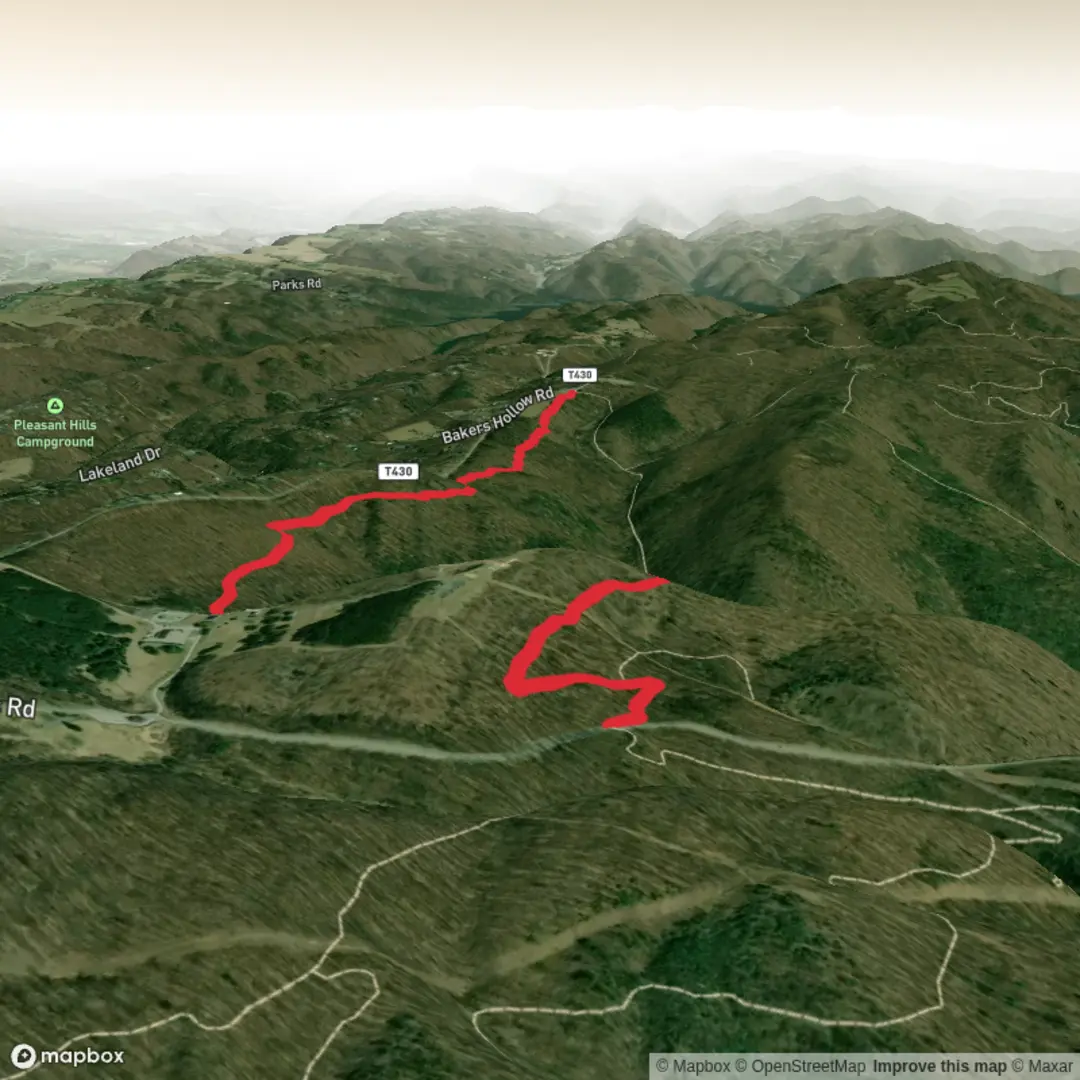
3D Flyover
Add to list
More
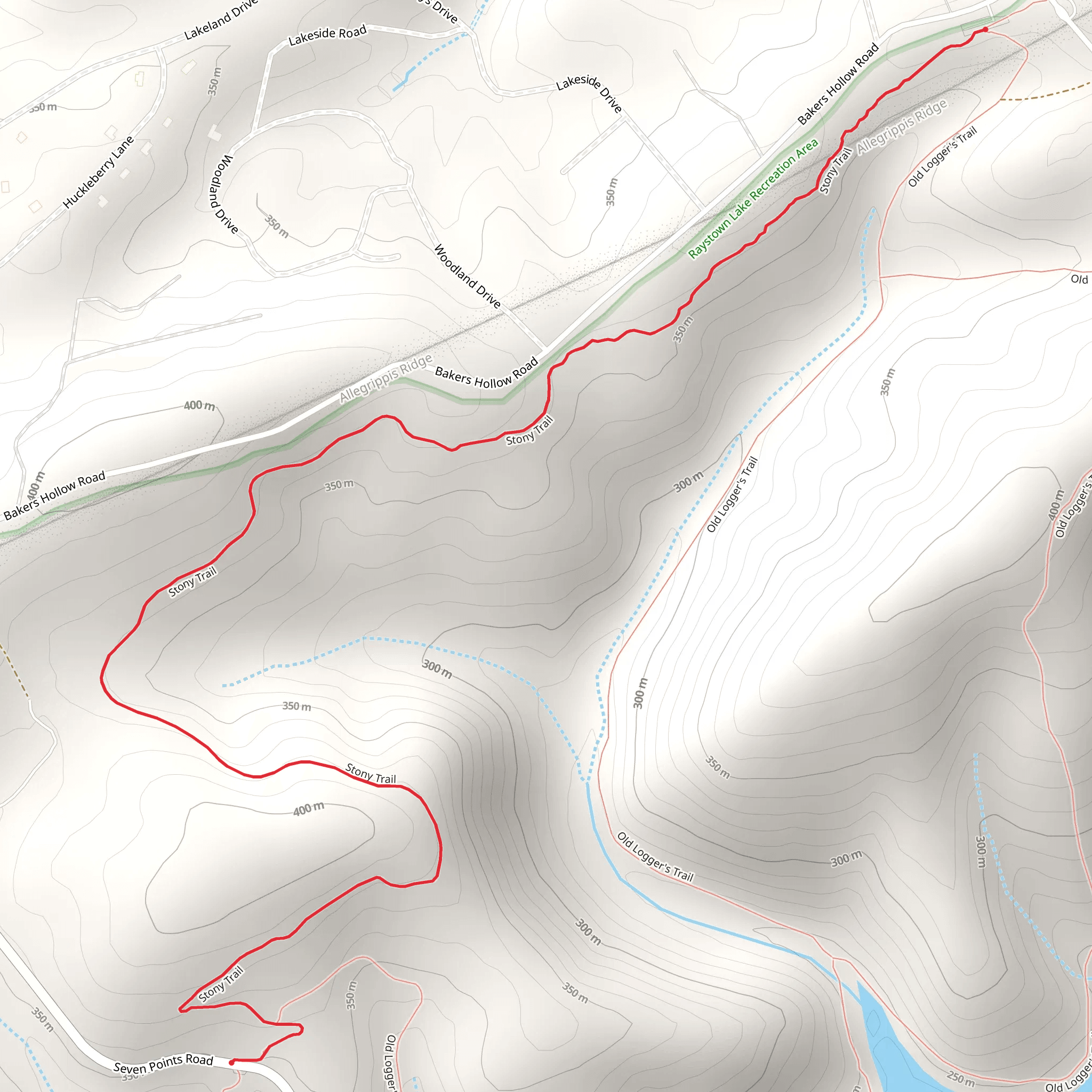
3.8 km
~50 min
49 m
Point-to-Point
“A gentle, stone-strewn wander to a modest high point—bright views, mindful footing, go at your pace.”
I’m missing a few key specifics to make this accurate (especially the start location). If you paste the start lon/lat (or a map link/screenshot), I’ll convert it to the nearest known address/landmark and tailor the route, access, and local hazards precisely.
In the meantime, here’s a solid planning-grade description for an easy ~4 km (≈2.5 mi) out-and-back or loop commonly labeled “Stony Trail,” with ~100 m (≈330 ft) of total climbing—written so you can prepare even before we pin down the exact trailhead.
What to expect on the walk (surface, grade, pacing)
This is the kind of short, low-commitment hike that feels “easy” because the elevation gain is modest and usually spread out, but it can still be surprisingly slow if the tread is genuinely stony.
- Distance & climbing: ~4 km (≈2.5 mi), ~100 m (≈330 ft) gain.
- Typical time: ~1–1.5 hours at a relaxed pace, longer if you stop often for views or if the rocks are loose.
- Trail character: Expect a mix of compact dirt and rocky/pebbly sections—often the reason for the name. The grade is usually gentle with one or two short rises where you’ll feel most of the climbing.
- Footing: The main thing to “look out for” is ankle-rolling rocks and uneven steps. Even on an easy trail, this is where most minor injuries happen.
A common way these hikes lay out:
- 0.0–1.0 km (0.0–0.6 mi): Easy warm-up on wider tread, minimal gain (often 10–25 m / 30–80 ft).
- 1.0–2.0 km (0.6–1.2 mi): The “stony” portion tends to show up—more embedded rock, small drainages, and a gradual climb (another ~40–60 m / 130–200 ft).
- 2.0–2.5 km (1.2–1.6 mi): A short high point or viewpoint spur is common; you may gain the last ~20–40 m (65–130 ft) here.
- Return: Same way back, or a short connector loop if the area has intersecting paths.
Landmarks, nature, and wildlife to watch for
Without the exact region, I’ll keep this realistic and broadly applicable to many “Stony” trails in North America and the UK/Ireland—then I can localize it once you provide coordinates.
Landmarks you’ll likely encounter - Rock gardens / stone runs: Sections where the trail crosses naturally broken rock or old glacial/river cobble. These can be scenic but slippery when wet. - Small creek crossings or seasonal drainages: Often dry in summer, but after rain they can become muddy choke points. - Overlooks or open clearings: Many short easy trails are designed to reach a small viewpoint, lake edge, or ridgelet quickly.
Plants and habitat - Rocky tread often correlates with well-drained soils, so you may see more drought-tolerant shrubs and grasses on sunnier slopes, and denser, cooler vegetation in shaded gullies. - In spring and early summer, watch for wildflowers along trail edges—stay on the tread to avoid trampling.
Wildlife
- Common sightings on easy, popular trails: songbirds, squirrels, rabbits, and depending on region, deer.
- If you’re in bear country, treat this like any other hike: make noise in low-visibility sections, keep food secured, and give wildlife space.
- Ticks are often the most relevant hazard on short hikes—especially where grass brushes your legs. Long socks or light gaiters help.
Navigation and wayfinding (keep it simple, stay found)
Even on an easy 4 km route, intersections can be confusing if there are multiple short paths in a park.
- Use HiiKER to download the route for offline use before you arrive (cell service can be patchy even near towns).
- Confirm you’re on the correct branch at any junction by checking:
1) direction of travel,
2) distance to the turnaround/viewpoint, and
3) whether the elevation profile matches what you’re seeing.
Hazards and “easy-trail” gotchas
- Loose stone on descents: The return trip is where people slip—short steps, keep your weight centered, and don’t rush the last kilometer.
- Wet rock: If the trail crosses smooth bedrock or flat stones, they can be slick after rain or morning dew.
- Mud around drainages: Step on durable surfaces (rock, gravel) rather than widening the trail.
- Sun exposure: Rocky, open areas can feel hotter than expected. Bring water even for a short hike.
What to bring for a 4 km / 2.5 mi easy hike
- Footwear: Trail runners are fine if the rocks are stable; light hiking shoes are better if the stones are loose.
- Water: At least 0.5 L per person (more in heat).
- Layers: A light wind/rain shell—short hikes still get uncomfortable fast if weather turns.
- Basics: Small first-aid kit, sun protection, and a fully charged phone with HiiKER offline map.
Getting to the trailhead (car + public transport guidance)
Once you give me the start coordinates, I’ll provide the nearest address/
Surfaces
Dirt
Comments and Reviews
User comments, reviews and discussions about the Stony Trail, Pennsylvania.
average rating out of 5
0 rating(s)
