1.6 km
~18 min
0 m
Loop
“A calm, level wetlands loop where quiet steps reveal birds, frogs, and basking turtles.”
A short, flat loop through protected wetlands where the main “challenge” is staying dry-footed and moving quietly enough to notice birds, frogs, and turtles before they notice you. Expect roughly 2 km (1.2 mi) total with essentially 0 m (0 ft) of elevation gain—ideal for families, beginners, and anyone looking for an unhurried nature walk.
Getting to the trailhead (car + public transport)
Because the hike details don’t include coordinates or a specific “near …” location, the most reliable way to reach the correct start is to navigate to the Kiser Lake Wetlands Nature Preserve parking area / main access point (often signed at the preserve entrance) and confirm you’re at the wetlands loop kiosk or boardwalk access.
- By car: Drive to the preserve’s signed parking area. Arrive early on weekends—small wetland lots can fill quickly, and roadside parking is often restricted to protect habitat and maintain emergency access.
- By public transport: Wetland preserves like this are frequently not directly served by local transit. If you’re coming from a nearby town, the typical approach is:
1) take a bus to the nearest town center or park-and-ride, then
2) use a rideshare/taxi for the final few miles/km to the preserve entrance.
If you tell me your nearest city (or share the lon/lat), I can translate that to the nearest landmark/address and outline the most practical transit-to-rideshare handoff.
Use HiiKER to confirm the correct access point and to make sure you’re starting the loop in the intended direction (some preserves have multiple short connectors that can make “a loop” feel ambiguous on the ground).
You’ll likely begin at a small trail kiosk or signboard near the parking area, then step onto a firm path that quickly transitions into classic wetland travel: packed earth, short grass, and/or boardwalk segments. The route stays essentially level—any “ups and downs” are usually just slight rises over culverts or boardwalk approaches, not true elevation change.
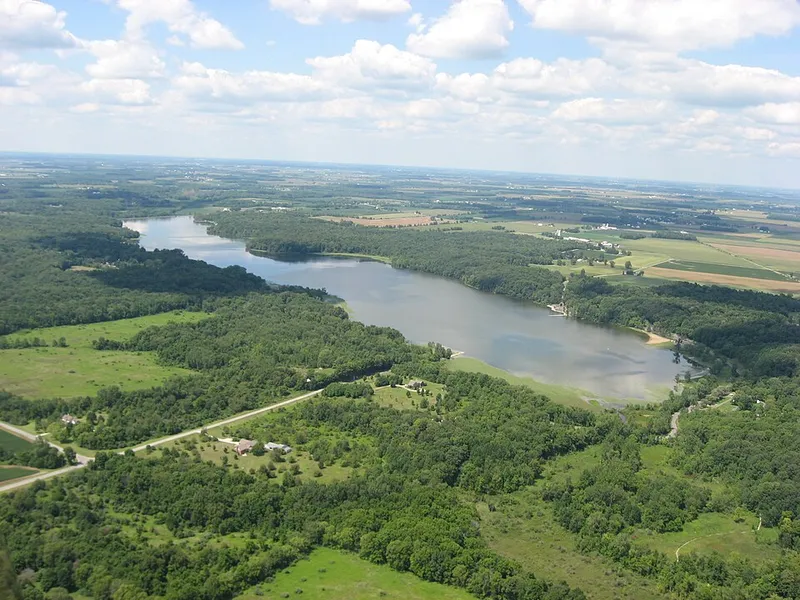
At around 0.3–0.6 km (0.2–0.4 mi), you’ll typically be fully immersed in the wetland zone. Look for: - Open water pockets (often the best wildlife viewing) - Reed beds/cattails and sedges - Shrubby edges where songbirds perch and feed
Because the loop is short, many hikers naturally slow down and treat it like a moving wildlife blind—plan extra time if you enjoy photography or birding.
Landmarks, nature, and wildlife to watch for
Wetlands concentrate life. Even on a 2 km (1.2 mi) loop, you can see a lot if you pause at the right spots.
Common natural highlights - Boardwalks or viewing platforms: These are often placed at the most sensitive or scenic sections—great for scanning quietly without trampling vegetation. - Wetland edge transitions: Where marsh meets meadow or young woodland, biodiversity spikes. Watch these edges for movement.
Wildlife you may encounter (season-dependent) - Birds: Red-winged blackbirds, herons/egrets, ducks, swallows, and seasonal migrants. Early morning and the last couple hours before sunset are usually most active. - Amphibians: Frogs and toads are often heard before they’re seen—listen for choruses near still water. - Reptiles: Turtles may bask on logs; snakes may be present but typically avoid people. Give any basking animal space so it doesn’t bolt into the water. - Insects: Expect mosquitoes and biting flies in warm months, especially after rain or during still, humid weather.
If you’re hiking with kids, this is a great place to practice “quiet steps” and spotting: look for ripples, V-shaped wakes, and sudden bird flushes from reeds.
Footing, conditions, and what to look out for
Even though the route is easy and flat, wetlands have a few predictable hazards:
- Mud and slick surfaces: After rain, low spots can hold water. Boardwalks can be slippery with algae or morning dew—short steps and steady pacing help.
- Standing water and soft shoulders: Stay centered on the tread/boardwalk. Wetland edges can look firm but give way.
- Ticks: Tall grass and brushy margins can carry ticks. Long socks/pants help; do a check after the hike.
- Sun and exposure: Wetlands can be surprisingly open with little shade. Bring water even for a short loop.
Navigation and pacing
This loop is short, but preserves sometimes have intersecting spurs (to overlooks, blinds, or maintenance access). Keep HiiKER handy to confirm you’re staying on the loop rather than accidentally taking a short out-and-back.
A comfortable planning pace for most people is 45–75 minutes for the 2 km (1.2 mi) loop if you stop for wildlife viewing; faster walkers can do it in less, but the best value here is moving slowly.
Historical and conservation context
Wetlands are among the most ecologically important landscapes in North America: they filter water, reduce flooding impacts, recharge groundwater, and provide critical habitat for breeding birds and amphibians. Many wetland preserves exist because these areas were historically drained or altered for agriculture and development, and later recognized as vital ecosystems worth restoring and protecting. Interpretive signs (if present) often explain local restoration work, water-level management, and the species the preserve is designed to support.
What to bring (light but smart)
- Footwear: Trail shoes are usually fine in

Comments and Reviews
User comments, reviews and discussions about the Kiser Lake Wetlands Nature Preserve Loop, Ohio.
average rating out of 5
0 rating(s)