
Download
3D Flyover
Add to list
More
1.6 km
~25 min
66 m
Out and Back
“A short, punchy climb that quickens the pulse, with shifting footing, airy breaks in canopy, and mindful navigation.”
I’m missing a few key specifics to describe this Clarksboro Trail accurately (there are multiple “Clarksboro” areas/trails, and your start location line is incomplete: “Hike head: near …”). If you paste the trailhead coordinates (lon/lat) or a HiiKER link, I’ll convert them to the nearest known address/landmark and tailor the route description, landmarks, and local history precisely.
In the meantime, here’s a planning-ready description that matches your stated stats (≈2 km / 1.2 mi, ≈100 m / 328 ft gain, Medium), written so you can use it as a template—then I can “lock it in” once you confirm the trailhead.
You’ll be tackling a short but punchy out-and-back style climb: about 2 km (1.2 mi) total with roughly 100 m (328 ft) of elevation gain. That works out to a fairly noticeable average grade for such a short distance, so expect your heart rate to rise quickly and the steepest bits to feel sustained rather than “one quick hill.” Plan on 45–90 minutes depending on pace, stops, and how slick the surface is.
Getting to the trailhead (car + public transport)
By car: Aim to park at the closest legal roadside pull-in or designated lot nearest the trailhead landmark/address (once you share coordinates, I’ll name the exact spot). For a 2 km trail, parking is often limited—arrive early on weekends and avoid blocking gates, driveways, or narrow shoulders.
By public transport: The most reliable approach is usually:
1) Take regional rail/bus to the nearest town center or main transit stop, then
2) Use a short rideshare/taxi or a local bus (if available) to the trailhead area.
If you tell me the nearest town/city (or provide coordinates), I’ll map the most practical transit approach and the closest stop you can realistically use.
What the hike feels like underfoot
Because the elevation gain is concentrated into a short distance, the trail commonly breaks into three “feels”:
- Lower approach (first ~0.4 km / 0.25 mi): Often the easiest walking, where you’ll warm up and settle into a rhythm. Surfaces here are frequently packed dirt, old track, or mixed gravel depending on local maintenance.
- Main climb (next ~0.8 km / 0.5 mi): This is where most of the 100 m (328 ft) gain tends to happen. Expect steeper pitches, possible erosion channels, and sections where you’ll naturally shorten your stride. If it’s been wet, this is where you’ll most notice mud, slick roots, or loose stones.
- Upper section / turnaround (final ~0.8 km / 0.5 mi): The grade often eases slightly near viewpoints, a ridge, or a high point. Even if there’s no formal overlook, you’ll usually get a more open feel—lighter canopy, more wind, and better sightlines.
On the descent, the same steepness that made the climb “Medium” can make footing feel more technical than expected. If you’re choosing footwear, prioritize tread and stability over ultralight road-style soles.
Navigation and wayfinding (use HiiKER)
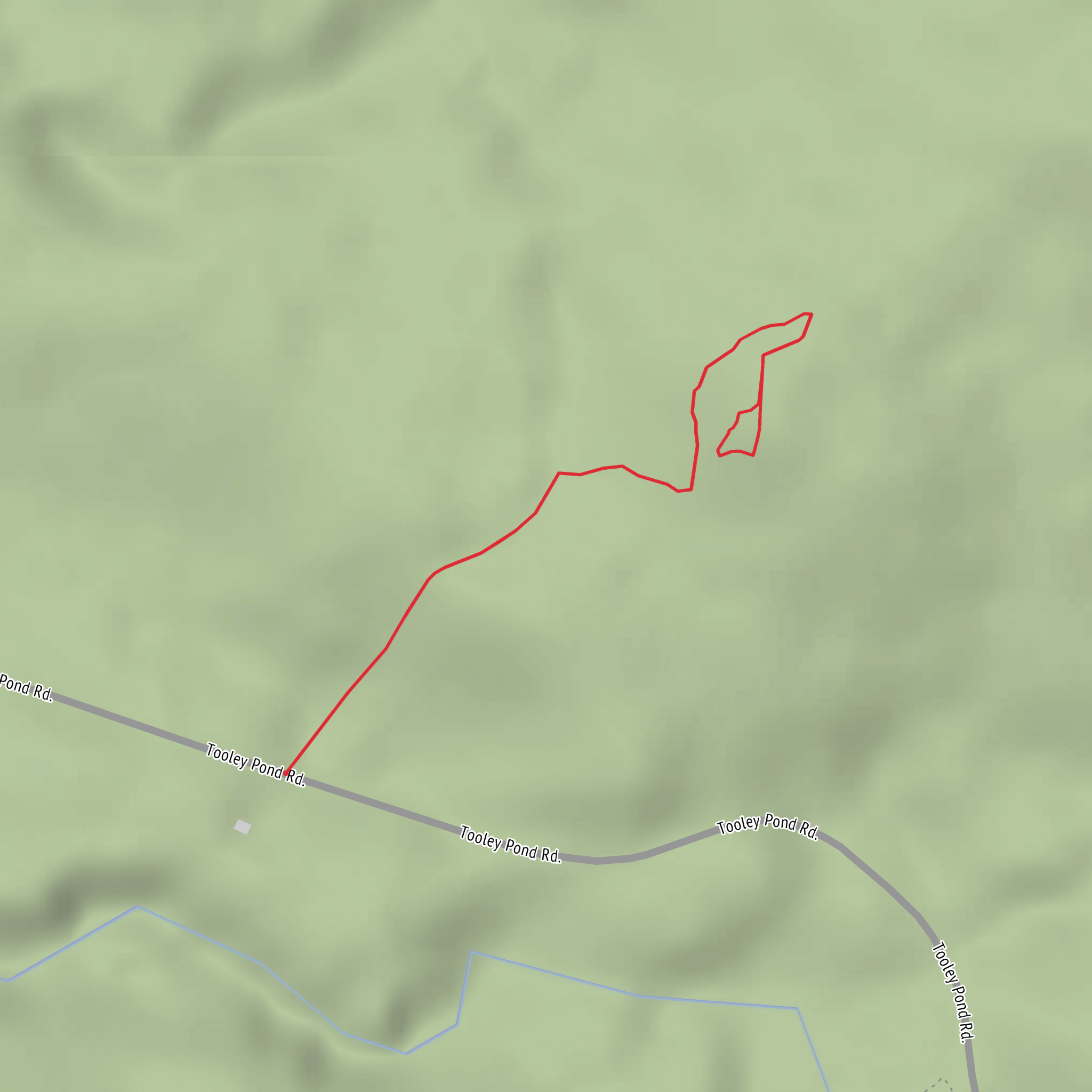
For a short trail, it’s easy to assume you can’t get turned around—but short, steep routes often have side paths (informal shortcuts, drainage detours, or spurs to viewpoints). Use HiiKER to: - confirm you’re on the intended line during the steepest section, - identify any junctions/spurs ahead of time, - check whether the route is officially out-and-back or a small loop.
If you share the HiiKER route, I’ll call out the exact junction distances and what each turn looks like.
Landmarks, nature, and wildlife to expect
Without the exact location pinned down, I can’t responsibly name specific landmarks—but on a 2 km, 100 m-gain trail, the “high points” hikers usually notice are:
- A distinct grade change where the climb begins in earnest (often near a drainage, culvert, or a bend in the path).
- A natural viewpoint (even a partial one) where canopy thins or the trail crests a shoulder.
- Edge habitat (where forest meets open area), which is often the most wildlife-active zone.
Wildlife you may encounter on many mid-grade, short climbs includes: - Songbirds and woodpeckers (more active in the morning), - Deer in quieter sections, - Small mammals (squirrels/chipmunks) near nut-bearing trees, - Ticks in brushy or grassy margins during warm months—especially if the trail has narrow corridors.
If you tell me the state/region (or provide coordinates), I’ll tailor this to the local ecosystem (e.g., specific bird species, snakes, seasonal hazards, and any protected flora).
Hazards and what to look out for
A “Medium” rating on a short trail is usually driven by one or more of these:
- Steep, slippery descent: The return trip can be the crux. Trekking poles can help if you’re prone to knee strain.
- Erosion and loose footing: Watch for ball-bearing gravel, marbles of scree, or hard-packed clay that turns slick when damp.
- Narrow tread with drop-offs or side-slope: Even modest exposure feels bigger when the trail is wet or leaf-covered.
- Seasonal overgrowth: In late spring/summer, brush can narrow the corridor—long pants help with scratches and
Surfaces
Ground
Comments and Reviews
User comments, reviews and discussions about the Clarksboro Trail, New York.
average rating out of 5
0 rating(s)
