
Search a hike or location

search
Best wildlife hikes in Niagara County
Share:

Best wildlife hikes in Niagara County

Calling all nature lovers! These wildlife-rich hikes give you the chance to spot some of the forest's cutest inhabitants.

Here are some great hikes to explore in Niagara County.

Most popular hikes


Reviews for wildlife hikes in Niagara County

Grady Durgan avatar

River's Edge Trail - 8

CrestWayfarer87 · reviewed almost 2 years ago

star star star star star


? avatar

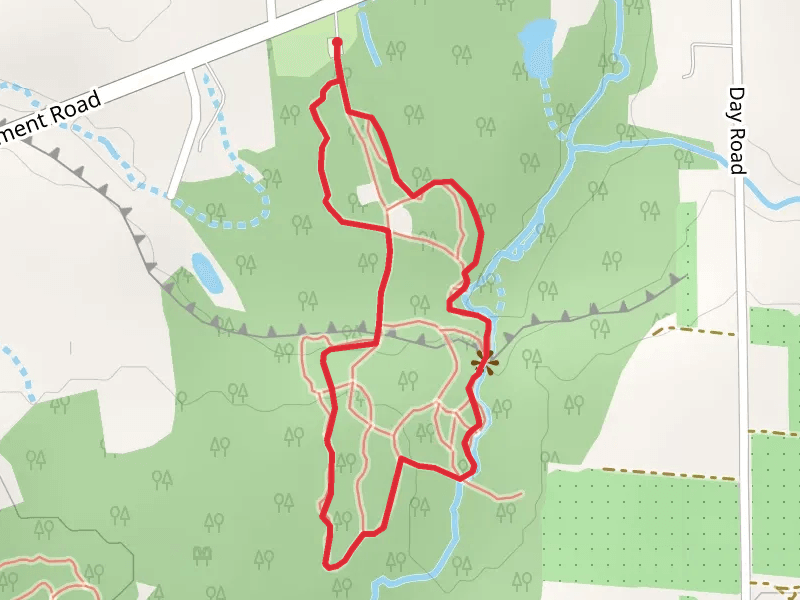
John B Austin Nature Trail Loop

woohoo · reviewed 8 months ago

star star star star star

A very inspirational experience. Attached here is a message that just inspired all of us to keep going. The wood carving attached is also very educational along with being inspirational. And don't even get me STARTED on the hike. I loved that they added ticks to get bit by every second. If you get lost, you won't regret it. An amazing hiking experience, would come again.


Le Rolfson avatar

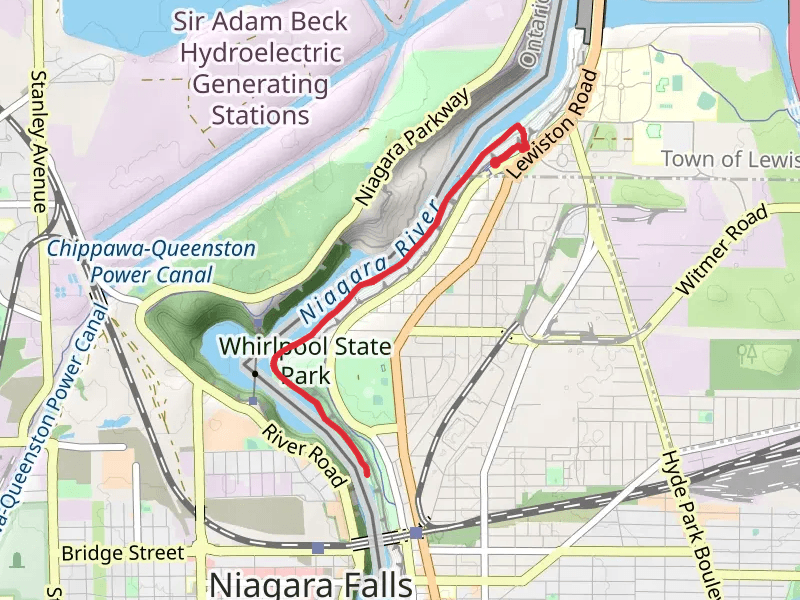
Niagara River Shore Trail from Lewiston Road

WildwoodAdventureguide18 · reviewed over 1 year ago

star star star star star


Love Raynor avatar

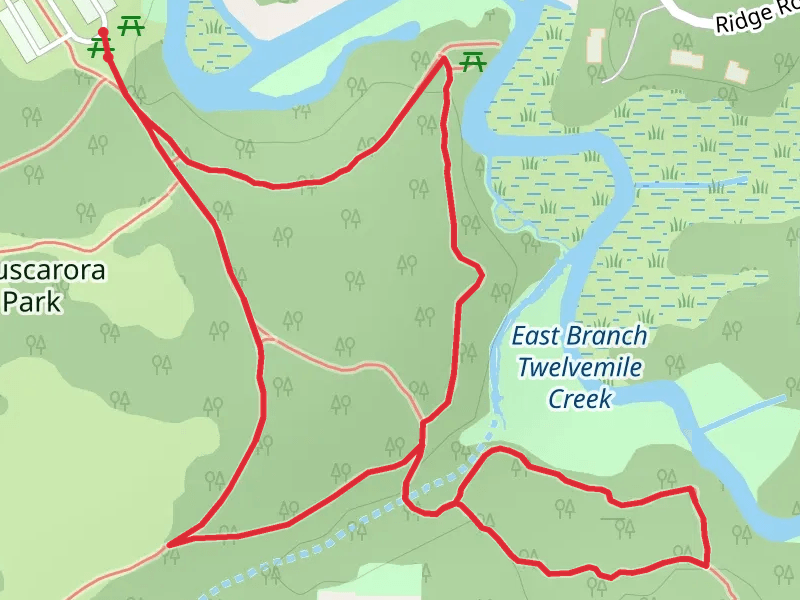
East Branch Twelvemile Creek Loop

AlpineTracer19 · reviewed over 1 year ago

star star star star star


Mrs. Craig Kuhic avatar

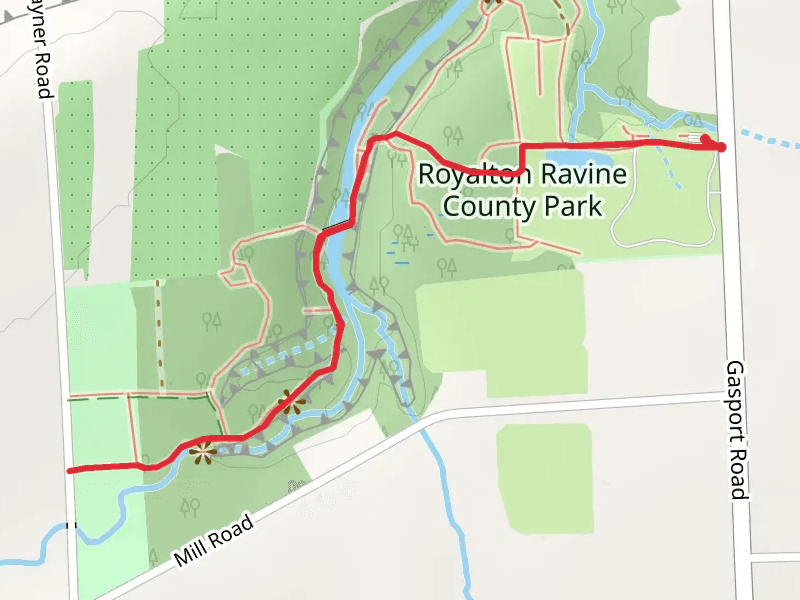
Red trail from Gasport Road

ValleyTracker40 · reviewed over 1 year ago

star star star star star


Frequently asked questions for hikes in Niagara County

What is the climate like for hiking in New York?

New York offers a wide climate range. Spring, typically mild, is perfect for leisurely hikes without overheating. The summer months can be humid and hot, so it's advised to carry plenty of water and avoid midday hikes. Autumn is a hiker's paradise with cooler temperatures and stunning fall foliage, especially in places like the Adirondacks. Winters can be harsh with deep snow and freezing temperatures making hiking more challenging and gear-intensive.
If your interest is in avoiding crowds, the shoulder seasons—spring and late fall—are your best options. Summer, despite the heat, attracts many hikers, especially to famous spots such as the Catskills and the Adirondack High Peaks. Winter hiking, although beautiful, is for the more experienced and well-prepared adventurer.
For detailed information, seasonal weather updates, and hiking tips, check resources like the New York State Department of Environmental Conservation's website here. It offers valuable advice and updates for all levels of hikers to ensure a safe and enjoyable experience.


Do I need a permit to hike in New York?

In New York, no general hiking permits are required but certain areas like the Eastern High Peaks in the Adirondacks require a free self-issued "Day Use Permit". Contact the New York State Department of Environmental Conservation for specifics or check their website.


Is wild camping allowed in New York?

Wild camping in New York's state forests is generally permitted, with regulations regarding distance from water sources, roads, and trails. For specific rules, it's best to consult the New York State Department of Environmental Conservation's website. Always follow Leave No Trace principles.


Are there mountain rescue services in New York?

For emergencies in New York's wilderness, contact the New York State Department of Environmental Conservation's Forest Rangers, professionals in wilderness rescue. Dial 911 for immediate assistance. Additional information can be found on the department's website. Always hike safely and responsibly.


Are there dangerous plants in New York?

New York's diverse flora ranges from hardwoods like maple and oak in the Southern Tier, to the Adirondacks' coniferous forests. Wildflowers like trilliums and wild orchids color the trails in spring and summer. Familiarize yourself with local flora at the New York Flora Association.


What wildlife should I be aware of when hiking in New York?

New York's wilderness teems with diverse wildlife. White-tailed deer and black bears inhabit forested areas, while smaller creatures like chipmunks are common. Ticks and mosquitoes can be an issue; carry insect repellent. Check the New York Department of Environmental Conservation for updates on wildlife activities.


More hikes in Niagara County