
Download
3D Flyover
Add to list
More
13.1 km
~2 hrs 52 min
155 m
Loop
“A gentle wetland loop of forest edges and sunlit clearings—best savoured when conditions aren’t soggy.”
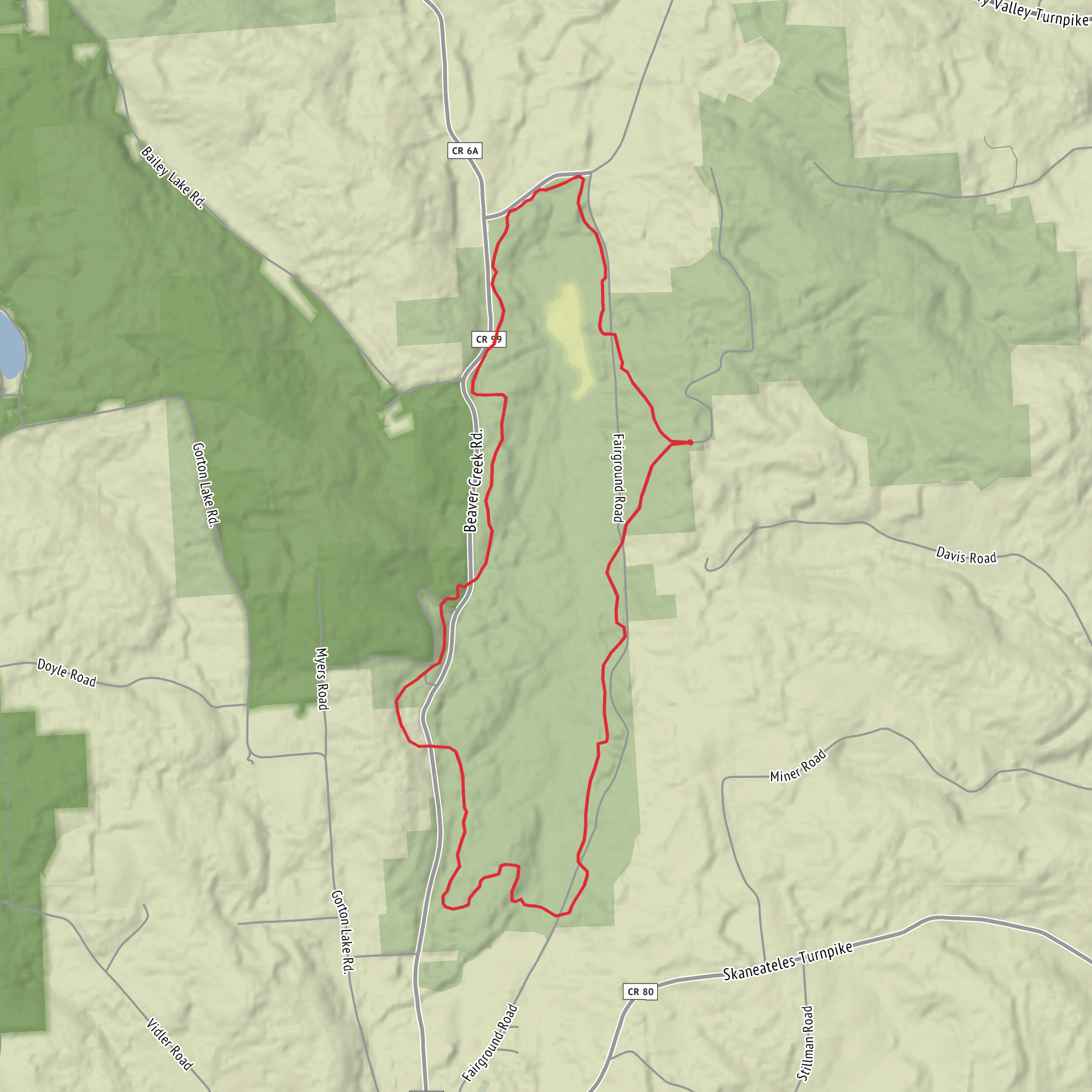
This easy-going loop is built around a broad, low-lying wetland landscape—expect long stretches of flat, springy ground, pockets of standing water after rain, and a steady rhythm of forest edge, swamp margin, and open, sunlit clearings. At around 13 km (8.1 mi) with roughly 200 m (656 ft) of total ascent, it’s a solid half-day outing that feels more like a nature walk with a few gentle rises than a “climb,” but the footing can be the real challenge when it’s wet.
Because your start location is listed only as “near,” I can’t reliably convert coordinates to a nearest address or landmark yet. If you share a lon/lat (or the nearest town/park entrance), I’ll pin the most practical trailhead landmark and the best parking/public-transport options for that exact start.
Getting to the start (car + public transport planning)
- By car: Plan for a small trailhead pull-in or a compact gravel lot typical of wetland reserves/forest access points. Arrive early if it’s a popular birding area—wetland loops often share limited parking with photographers and dog walkers.
- By public transport: These swamp-edge trailheads are often not directly served by frequent transit. The usual workable approach is bus/train to the nearest town, then a short rideshare/taxi to the trailhead. Once you tell me the nearest town or coordinates, I can suggest the most realistic “last-mile” plan.
- Navigation: Download the route in HiiKER before you go. Wetland loops commonly have side spurs to overlooks/boardwalks and faint “social trails” that can pull you off the main circuit.
From the trailhead, the loop typically eases you in on firm track—often an old access road or well-packed path—before narrowing as it approaches the swamp margin. In the first 2–3 km (1.2–1.9 mi) you’ll likely gain only 30–60 m (100–200 ft) in small rollers, just enough to move between slightly higher ground and the wetter basins. This is where you’ll start noticing the vegetation shift: upland trees and shrubs giving way to moisture-loving species, with more ferns, sedges, and dense understory.
As you draw closer to the swamp proper (often around km 3 to 6 / mi 1.9 to 3.7), expect the most “interesting” walking: - Mud and soft edges: Even on an “easy” trail, swamp-adjacent tread can be slick. After rain, the path may hold water in shallow depressions. - Roots and short, steep nubs: Any small rises can be rooty and polished—easy to slip on when damp. - Bugs: In warm months, mosquitoes and biting flies can be intense near still water. Long sleeves and repellent make the day far more pleasant.
Wildlife viewing is often the highlight in this middle section. Wetlands concentrate life: listen for frogs and watch for turtles sunning on logs. Bird activity is usually best early and late in the day—wading birds along open water, songbirds in the scrubby edge habitat, and raptors cruising above the treeline. Keep food sealed and give any larger animals plenty of space; swamp margins can be used as travel corridors.
Landmarks and what to watch for on the loop
On a circular route like this, the “landmarks” tend to be natural features rather than big viewpoints: - Swamp edge transitions: Notice where the ground subtly rises and the plant community changes—these transitions are often where the trail is driest and where you’ll find the best places to pause without blocking the path. - Drainages/creek crossings: If there are small bridges or culverts, check footing—wet wood can be slick. If water is high, don’t assume a shallow crossing is safe just because the hike is rated easy. - Open clearings: These can be breezy and sunny—great for a snack stop, but also where you’ll feel heat more in summer.
The final third (roughly km 9 to 13 / mi 5.6 to 8.1) usually firms up again as you leave the wettest ground behind. You may pick up the bulk of the remaining ascent here in gentle grades—another 80–120 m (260–390 ft) spread out so it never feels strenuous, but it can feel longer if the earlier miles were slow due to mud.
Conditions, gear, and safety for an “easy” swamp loop
- Footwear: Waterproof trail shoes or light boots help if the trail is damp; bring spare socks if you’re prone to wet feet.
- Trekking poles: Useful for probing soft spots and stabilizing on slick roots/board
Comments and Reviews
User comments, reviews and discussions about the Beaver Creek Swamp Circular, New York.
average rating out of 5
0 rating(s)
