Download
3D Flyover
Add to list
More
22.0 km
2 days
962 m
Multi Day
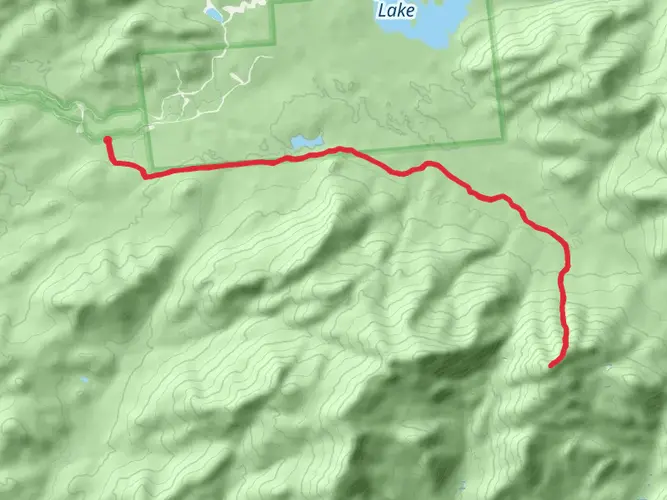
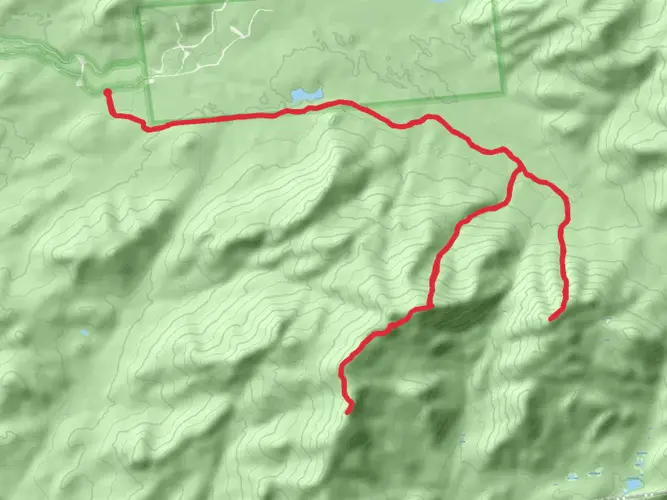
The Seward Range Loop, nestled in the heart of the Adirondacks near Franklin County, New York, offers an invigorating and challenging experience for seasoned hikers. This approximately 22 km (13.7 miles) loop trail, with an elevation gain of around 900 meters (2953 feet), is known for its rugged terrain and scenic beauty.
Getting to the Trailhead
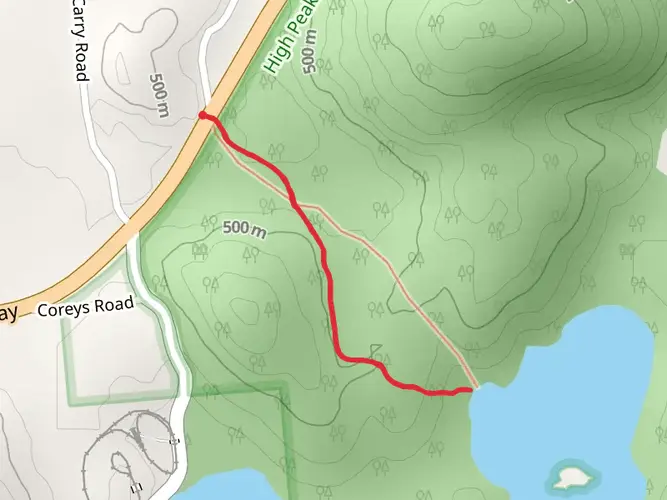
To reach the trailhead, hikers can drive to the Corey's Road parking area, which is the closest landmark to the starting point. For those relying on public transportation, options are limited due to the remote nature of the Adirondacks. However, the nearest towns with bus services are Tupper Lake and Saranac Lake. From there, a taxi or a pre-arranged shuttle service can be used to reach the trailhead.
The Hike Itself
The Seward Range Loop is a demanding trek that takes you through dense forests, over rocky outcrops, and past serene mountain streams. The trail is marked, but due to the remote and rugged nature of the terrain, it is essential to have a reliable navigation tool like HiiKER to ensure you stay on the correct path.
Landmarks and Scenery
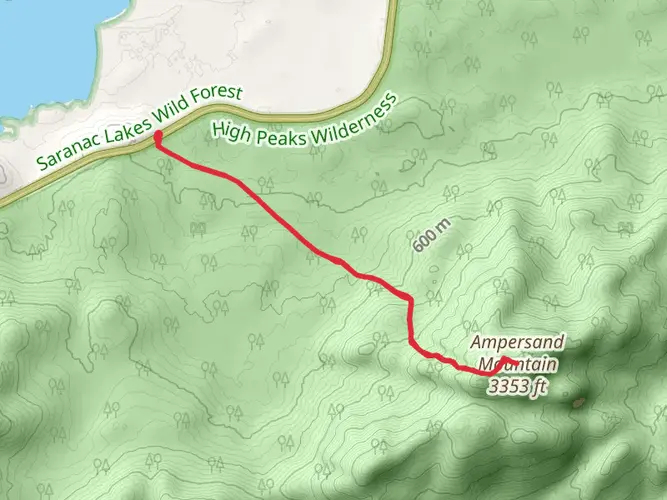
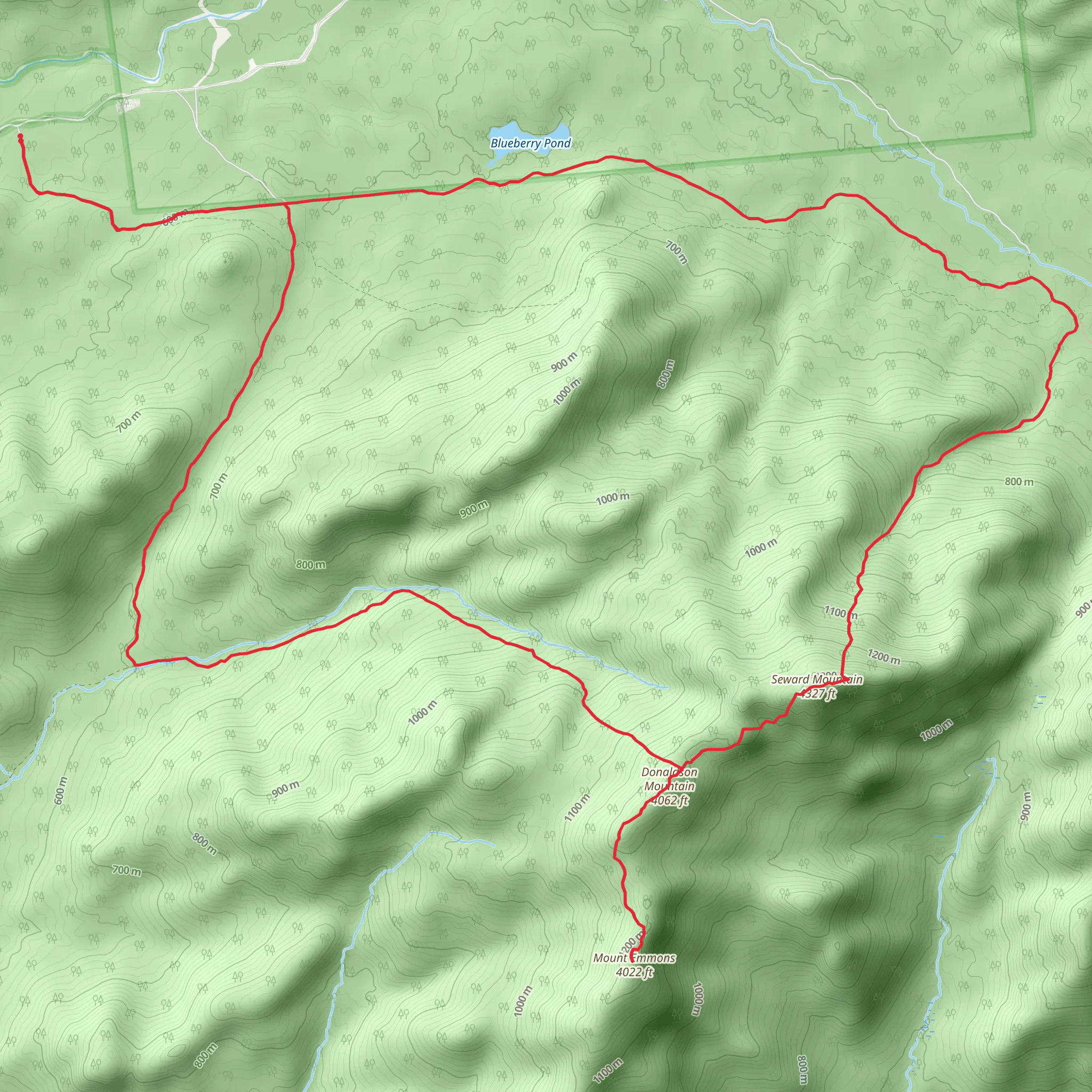
As you embark on the loop, you'll first approach the base of Seward Mountain, one of the four peaks in the Seward Range. The ascent is steep and can be quite challenging, with some sections requiring scrambling. Upon reaching the summit of Seward Mountain, approximately 7 km (4.3 miles) from the trailhead, you'll be rewarded with panoramic views of the surrounding wilderness.
Continuing the loop, you'll encounter Donaldson Mountain and Mount Emmons, the other two peaks in the range that are typically included in the loop. Each peak offers its own unique vantage points and opportunities to observe the diverse flora and fauna of the Adirondacks.
Wildlife and Nature
The Adirondack Park is home to a wide array of wildlife, including black bears, moose, and various bird species. Hikers should be aware of their surroundings and know how to safely interact with wildlife they may encounter. Additionally, the trail passes through areas of dense forest, which are home to old-growth trees and a rich understory of ferns and mosses.
Historical Significance
The Adirondack region has a rich history, with the Seward Range being named after William H. Seward, Abraham Lincoln's Secretary of State and a former Governor of New York. The area has been a destination for outdoor enthusiasts for over a century, and the trails have been used for both recreation and conservation efforts.
Preparation and Planning
Given the difficulty of the Seward Range Loop, hikers should be well-prepared with appropriate gear, including sturdy hiking boots, weather-appropriate clothing, and sufficient food and water. It is also advisable to carry a first-aid kit and a means of purifying water from natural sources. Due to the length and difficulty of the hike, it is recommended to start early in the day and allow plenty of time to complete the loop before dark.
Conclusion
The Seward Range Loop is a challenging yet rewarding hike that offers a true wilderness experience. With proper preparation and respect for the natural environment, hikers can enjoy the stunning landscapes and rugged beauty of the Adirondacks on this memorable trail.
AI Planner
Days planned around your pace, with somewhere to stay each night.
What to expect?
Activity types
Frequently asked questions
How long does the Seward Range Loop take to hike in Franklin County, New York?
The Seward Range Loop covers 22.03 km, or about 13.7 miles, with 962 m of elevation gain, so it is usually a full-day effort for strong hikers and an overnight trip for parties moving at a slower pace. The route is rated difficult and the terrain in the Seward Range is known for steep, rough sections that slow average hiking times.
Where do you park for the Seward Range Loop trailhead?
The usual access point for the Seward Range Loop is the Coreys Road trailhead parking area near Tupper Lake. This is the standard starting point for approaches into the Seward Range and nearby backcountry routes, and parking should be limited to designated areas on state land.
Which mountains are usually included on the Seward Range Loop?
The Seward Range Loop commonly links Seward Mountain, Donaldson Mountain, and Emmons Mountain, with many hikers using the Calkins Brook herd path as part of the circuit. Seward is typically the first major summit reached from the northwestern approach, and the loop is known for rugged, remote High Peaks terrain rather than long stretches of easy trail.
Is the Seward Range Loop a hard hike?
Yes. The Seward Range Loop is rated difficult, and the combination of 22.03 km of distance and 962 m of climbing makes it a strenuous Adirondack outing. Expect steep ascents, rough footing, muddy stretches, and a remote setting where progress is often slower than the mileage suggests.
Can you backpack and camp on the Seward Range Loop?
Yes. The Seward Range Loop is classified as a multi-day route, so it can be done as an overnight backpack if the pace or conditions call for it. Primitive camping is allowed on New York State Forest Preserve land at designated sites and lean-tos on a first-come basis, and if camping outside a designated site a tent must generally be at least 150 feet from roads, trails, and water.
Are dogs allowed on the Seward Range Loop?
Dogs are allowed in the High Peaks Wilderness, which includes the Seward Range, but leash rules apply in certain situations. New York DEC requires dogs to be leashed at trailheads, campsites, and above 4,000 feet everywhere in the High Peaks Wilderness, so anyone bringing a dog on this route should be prepared for those restrictions.
Do you need a bear canister for an overnight on the Seward Range Loop?
A bear-resistant canister is not generally required for every overnight on the Seward Range Loop in the Seward Range area, because the mandatory canister rule applies to the Eastern Zone of the High Peaks Wilderness from April 1 through November 30. Even so, DEC recommends bear-resistant canisters for Adirondack backcountry camping, and they are a smart choice on this remote multi-day route.
Comments and Reviews
User comments, reviews and discussions about the Seward Range Loop, New York.
4.86
average rating out of 5
7 rating(s)