
Download
3D Flyover
Add to list
More
2.3 km
~27 min
6 m
Out and Back
“Stroll Upper Works’ reclaimed mining corridor—flat, forested, and marsh-kissed, with seasonal mud and bugs.”
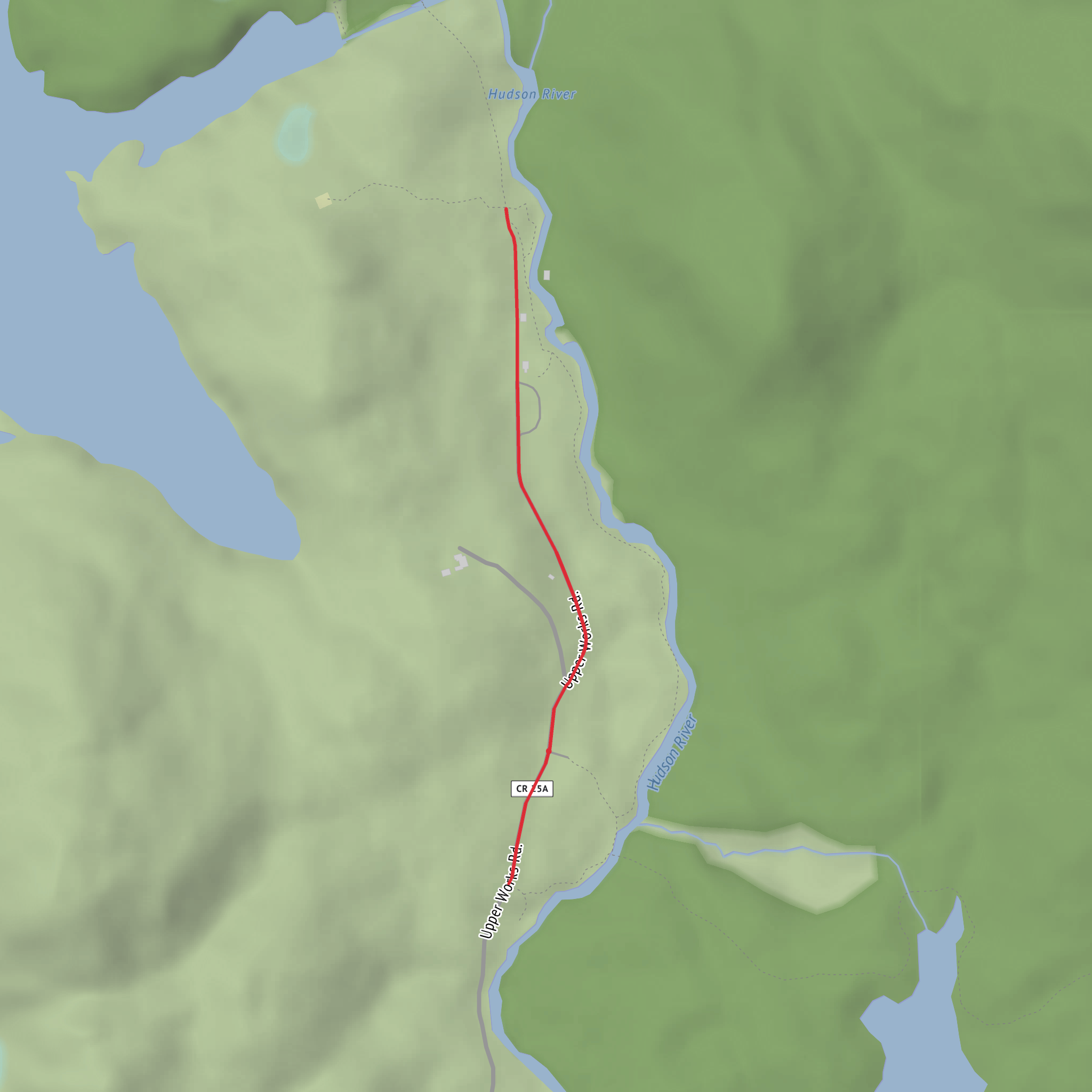
This is a short, flat, out-and-back style walk of about 2 km (1.2 mi) with essentially 0 m (0 ft) of elevation gain—ideal for a low-effort leg-stretcher, a family stroll, or a quick nature break before/after bigger High Peaks plans. Expect a wide, well-used corridor typical of the Upper Works area of Adirondack Park, with a mix of forest, wetland edges, and frequent signs of the region’s industrial past.
Getting to the trailhead (Upper Works / Tahawus area)
By car: The start is best approached via the Upper Works / Tahawus trailhead parking area at the end of Upper Works Road near Tahawus (Town of Newcomb), NY—a well-known access point for the High Peaks and the historic mining hamlet area. If you’re navigating, aim for the Upper Works Trailhead / Tahawus parking area (a prominent landmark used by hikers heading toward Flowed Lands, Lake Colden, and Mount Marcy approaches). Roads in this area are rural and can be slow; plan extra time, especially in shoulder seasons when potholes and washboard can appear.
By public transport: Direct public transit to Upper Works is limited. The most realistic transit plan is: - Bus/train to a larger hub such as Westport, NY (Amtrak) or Plattsburgh, then - A pre-arranged taxi/rideshare (often limited) or local shuttle/private transfer to Newcomb/Tahawus, and finally - A car-based transfer to the Upper Works parking area. If you’re relying on transit, confirm options well in advance—cell coverage can be unreliable once you leave the main corridors.
What the walk is like underfoot
For an easy 2 km (1.2 mi) walk with minimal elevation change, the main variables are surface conditions and seasonal wetness rather than steepness. You’ll likely be on a firm, packed path or old road-grade typical of former industrial/logging corridors in the Adirondacks. After rain or during spring melt, expect:
- Mud and soft shoulders in low spots
- Standing water where drainage is poor
- Icy patches in late fall through early spring, especially in shaded sections
Footwear with decent tread is usually enough; waterproof shoes help in wet seasons.
Landmarks, scenery, and the “Upper Works” story
The Upper Works/Tahawus area is closely tied to Adirondack industrial history—most notably iron mining and related settlement activity that once operated in this remote corner of the park. Even on a short walk, you may notice the “worked” character of the landscape: straighter corridors, old grades, and the sense that the forest has reclaimed spaces that were once busy with extraction and transport.
Natural highlights tend to be subtle and close-up rather than panoramic on a short, flat route: - Mixed Adirondack forest (hardwoods and conifers depending on the exact corridor) - Wetland edges and drainage lines that attract birds and amphibians - Occasional openings where you can feel the scale of the surrounding High Peaks backcountry even if you’re not climbing into it
Wildlife and what to watch for
This is classic Adirondack habitat. Common encounters (or signs) include:
- White-tailed deer and tracks along soft edges
- Red squirrels and chipmunks near trail margins
- Songbirds in spring and early summer
- Amphibians (frogs/salamanders) near wet sections
Larger wildlife is possible: - Black bears: uncommon on a short walk but present in the region. Keep snacks secured and avoid leaving food in open packs. - Moose: rare but possible in wetland-rich zones—give a wide berth if seen.
Ticks and insects: From late spring through summer, expect mosquitoes and black flies, especially near wet areas and on calm days. Long sleeves, repellent, and a head net can make a big difference. Tick checks are smart after any Adirondack outing.
Navigation and practical planning
Even easy walks can feel confusing where old roads, side paths, or spur tracks branch off. If you want a simple way to stay on the intended line and confirm distance, use HiiKER to:
- Verify you’re on the correct corridor at junctions
- Track your progress to the turnaround point (about 1 km / 0.6 mi out)
- Save an offline map in case service drops
Timing, pacing, and accessibility notes
At a relaxed pace, 2 km (1.2 mi) typically takes 30–60 minutes, depending on stops and conditions. Because the elevation gain is essentially nil, the main limiting factors are: - Mud/ice (slower footing) - Bugs (more stops) - Curiosity (historic remnants and nature distractions)
If you’re bringing kids or newer hikers, this is a good place to practice trail habits—staying together, yielding to others on narrow sections, and keeping an eye out for wet footing—without committing to a long backcountry day.
Surfaces
Asphalt
Ground
Comments and Reviews
User comments, reviews and discussions about the Adirondack Park - Upper Works Walk, New York.
average rating out of 5
0 rating(s)


