Download
3D Flyover
Add to list
More
34.9 km
2 days
2294 m
Multi Day
“Embark on the Kilkenny Ridge Traverse, a breathtaking yet arduous White Mountains adventure for seasoned hikers.”
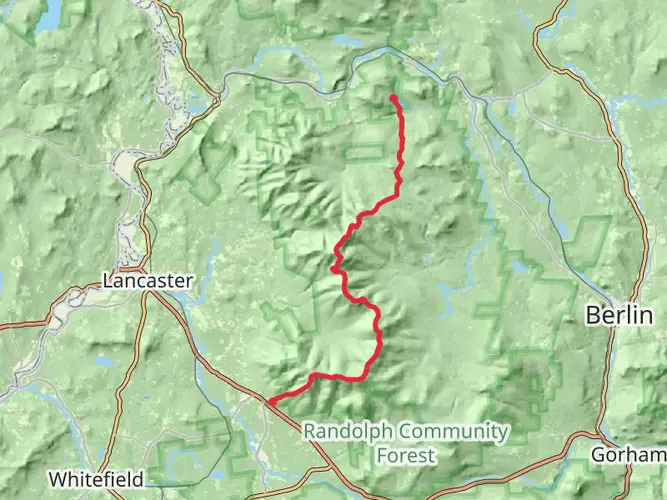
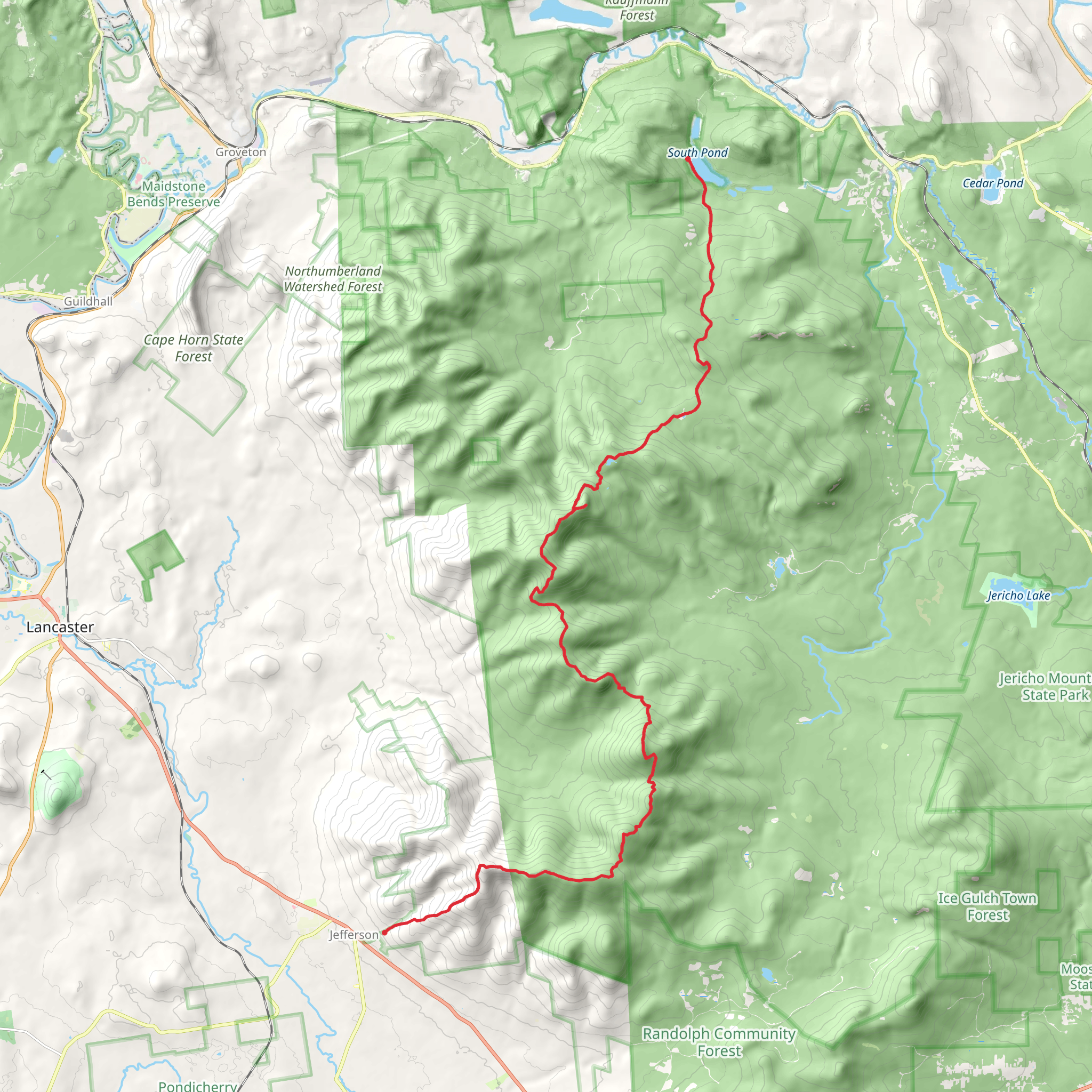
The Kilkenny Ridge Traverse is a challenging and rewarding point-to-point hike nestled in the White Mountains of New Hampshire. Spanning approximately 35 kilometers (about 22 miles) with an elevation gain of around 2200 meters (roughly 7200 feet), this trail is not for the faint of heart and is best suited for experienced hikers.
Getting to the Trailhead
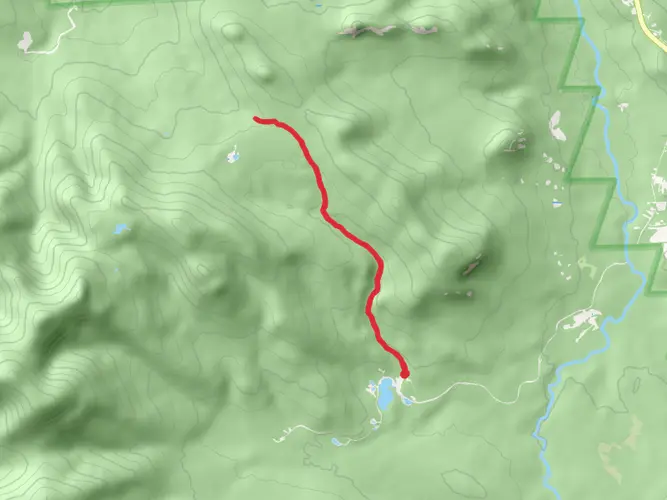
To begin your adventure on the Kilkenny Ridge Traverse, you'll want to make your way to the trailhead near Coos County, New Hampshire. If you're driving, the most common starting point is at the Berlin Fish Hatchery, located off of York Pond Road. There is parking available here, but be mindful of the hatchery's operating hours and parking rules. For those relying on public transport, options are limited, and it's often best to arrange a taxi or shuttle service from the nearest towns such as Berlin or Gorham to the trailhead.
Navigating the Trail
As you embark on the Kilkenny Ridge Traverse, you'll be greeted by dense forests, rugged terrain, and the serene beauty of the White Mountains. The trail is well-marked in most sections, but due to its remote nature, it's essential to carry a reliable navigation tool like HiiKER to keep track of your progress and ensure you're on the right path.
Significant Landmarks and Natural Features
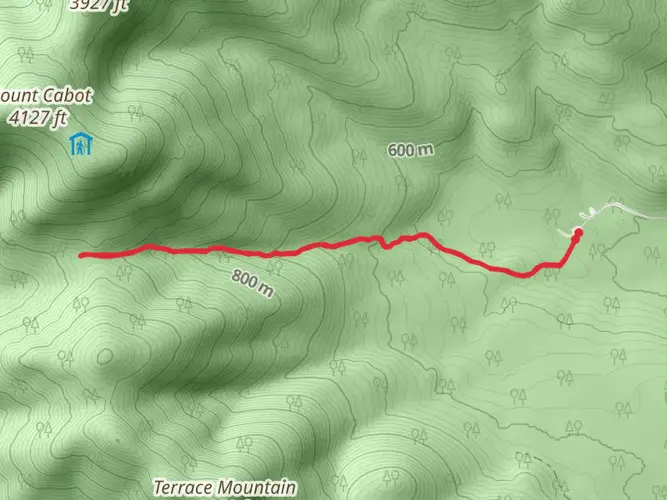
The trail offers a variety of natural features and landmarks that are sure to impress. Early on, you'll ascend Mount Cabot, the highest peak on the traverse, standing at 1,312 meters (4,305 feet). The summit provides expansive views of the surrounding wilderness, a perfect reward for your efforts.
Continuing along the ridge, you'll encounter several other notable peaks, including The Bulge and The Horn, both offering their unique vantage points. The traverse also takes you through the Bunnell Notch and over Terrace Mountain, where the landscape shifts and the trail can become particularly steep and rocky.
Wildlife and Flora
The Kilkenny Ridge Traverse is home to a diverse array of wildlife. Keep an eye out for moose, black bears, and various bird species. The trail also winds through different forest types, from hardwood stands to softwood spruce-fir forests, showcasing the region's rich biodiversity.
Historical Significance
The White Mountains hold a deep historical significance, with the Kilkenny Ridge area being no exception. The region was once home to the Abenaki people, and later, European settlers used the land for logging and farming. As you hike, you may come across old stone walls and remnants of the past that speak to the area's rich history.
Preparation and Planning
Given the trail's difficulty rating of Extra Difficult, it's crucial to prepare adequately. Ensure you have the proper gear, including sturdy hiking boots, weather-appropriate clothing, and enough food and water for the journey. It's also wise to plan for an overnight stay, as completing the traverse in a single day is a formidable challenge. There are several backcountry campsites along the route where you can rest and recharge.
Remember, the Kilkenny Ridge Traverse is a remote and demanding hike that requires thorough preparation, a good level of fitness, and respect for the natural environment. With careful planning and a sense of adventure, this trail offers an unforgettable hiking experience in the heart of the White Mountains.
AI Planner
Days planned around your pace, with somewhere to stay each night.
What to expect?
Activity types
Frequently asked questions
How long is the Kilkenny Ridge Traverse and how hard is it really?
The Kilkenny Ridge Traverse is 34.86 km, or about 21.7 miles, with 2,294 m of elevation gain, roughly 7,526 feet. That combination of distance and climbing puts it firmly in the Extra Difficult category, and the route is generally treated as a strenuous full-day effort for very strong hikers or a backpacking trip spread over two or more days.
Where do you park for the Kilkenny Ridge Traverse in New Hampshire?
A common access point for the Kilkenny Ridge Traverse is the York Pond East Trailhead on York Pond Road in Milan. The White Mountain National Forest places that trailhead 2.1 miles past the Fish Hatchery gate, with parking on the left side of the road near the trail sign, and no restrooms or potable water at the site.
What mountains and landmarks are on the Kilkenny Ridge Traverse?
The Kilkenny Ridge Traverse follows one of the more remote ridgelines in northern New Hampshire and is known for linking Mount Cabot with The Bulge and The Horn. Unknown Pond is another key landmark on the route, sitting just off the ridge and often used as a reference point for campsites, shelter access, and route planning.
Is the Kilkenny Ridge Traverse a day hike or an overnight backpacking trip?
The Kilkenny Ridge Traverse is long enough and steep enough that many hikers treat it as an overnight route rather than a casual day hike. At 34.86 km with 2,294 m of ascent, it fits the profile of a multi-day traverse, especially with the remote terrain around Mount Cabot, The Bulge, The Horn, and Unknown Pond.
Is the Kilkenny Ridge Traverse dog friendly?
Dogs are allowed on the Kilkenny Ridge Traverse because it lies in the White Mountain National Forest. In developed recreation areas such as trailhead parking lots, dogs need to be leashed, and the route’s length, steep grades, and rough footing make it better suited to very fit trail dogs with mountain experience.
What is the best time of year to hike the Kilkenny Ridge Traverse?
The most practical hiking season for the Kilkenny Ridge Traverse is typically late spring through fall, when the ridge is more reliably snow-free and access roads are open. White Mountain National Forest roads can have seasonal closures, and this traverse’s exposed ridgeline, long climbs, and remote sections become much more serious in snow, ice, or shoulder-season weather.
Comments and Reviews
User comments, reviews and discussions about the Kilkenny Ridge Traverse, New Hampshire.
4.75
average rating out of 5
12 rating(s)