Best wildflower hikes in Cheshire County
In search of nature's floral wonders? These hikes are bursting with vibrant wildflowers.
Here are some great hikes to explore in Cheshire County.
Most popular hikes
Reviews for wildflower hikes in Cheshire County


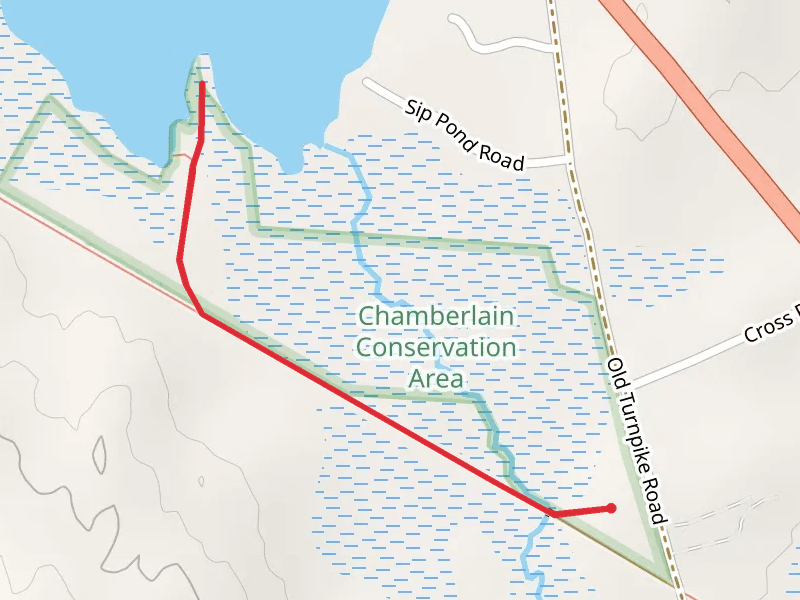
Sip Pond via Monadnock Recreational Rail Trail Out and Back
TrekSprinter27 · reviewed over 1 year ago



Frequently asked questions for hikes in Cheshire County

New Hampshire experiences four distinct seasons, each offering a unique hiking experience. Spring (March-May) is mild but can be muddy due to snowmelt. Summer (June-August) offers the warmest hiking conditions, but staying hydrated is essential.
Fall (September-November), with its mild temperatures and vivid autumn colors, is a favorite among hikers. Winter (December-February) can be challenging due to cold and snow, but it offers serene beauty for well-equipped hikers. Always check the weather before heading out. The New Hampshire State Parks (https://www.nhstateparks.org/) and the Mount Washington Observatory (https://www.mountwashington.org/) provide valuable information.
Most hiking trails in New Hampshire do not require permits, but certain activities like camping or fishing might. For more details and to obtain necessary permits, it's advisable to check with the New Hampshire Division of Parks and Recreation (https://www.nhstateparks.org/) and the New Hampshire Fish and Game Department (https://www.wildlife.state.nh.us/).

Wild camping in New Hampshire is generally allowed in national forests with some restrictions, while it's limited in state parks to designated campgrounds. Always follow Leave No Trace principles. For camping regulations, refer to the White Mountain National Forest website (https://www.fs.usda.gov/whitemountain) and the New Hampshire State Parks site (https://www.nhstateparks.org/).

For emergencies during hiking in New Hampshire, dial 911 to reach local authorities who will coordinate with the appropriate rescue services. The New Hampshire Fish and Game Department's Law Enforcement Division also assists with search and rescue operations. Visit their website for more information (https://www.wildlife.state.nh.us/law-enforcement/index.html).
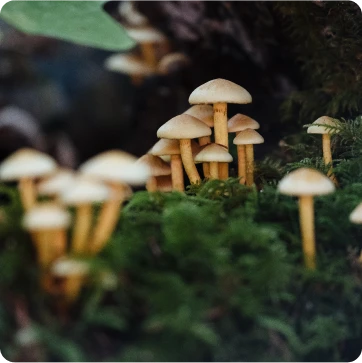
New Hampshire's hiking trails wind through forests of birch, beech, and maple, with beautiful wildflowers blooming in spring and summer. Hikers should be aware of poison ivy in wooded areas. For more information on local flora, the New Hampshire Wildflowers website (https://www.wildlife.state.nh.us/habitat/types.html#:~:text=Appalachian%20oak%2Dpine%20forests%20are,mountain%20laurel%2C%20and%20sugar%20maple.) is a great resource.

Hikers in New Hampshire may encounter a variety of wildlife, including white-tailed deer, moose, and numerous bird species. Ticks and mosquitoes are common during warmer months. Black bears are present but seldom seen. Visit the New Hampshire Fish and Game Department's website (https://www.wildlife.state.nh.us/) for detailed wildlife information.
More hikes in Cheshire County
by type