
Download
3D Flyover
Add to list
More
8.2 km
~1 hrs 42 min
42 m
Loop
“Stroll a gentle visitor-centre loop where birdsong, wetlands, and seasonal colour invite lingering pauses.”
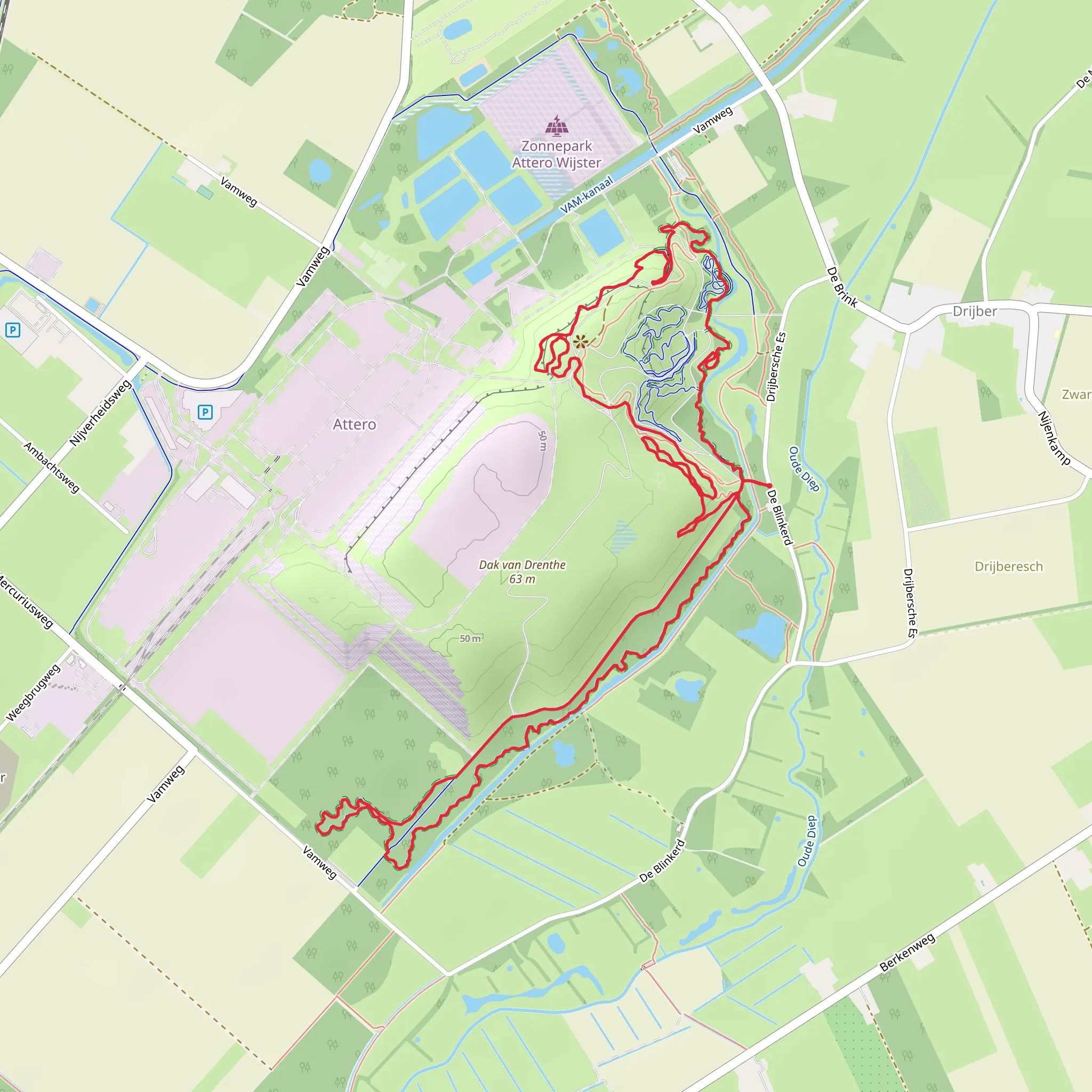
A relaxed, mostly level loop of about 8 km (5.0 mi) with essentially 0 m (0 ft) of climbing, ideal for a half-day wander where the focus is on scenery, birdlife, and whatever seasonal highlights the surrounding landscape is offering. Expect easy walking on well-made paths—often compacted gravel, forest track, or paved shared-use sections near the visitor area—with frequent wayfinding and plenty of natural “pause points” for photos.
Getting to the start (visitor centre area)
Because the start is described as “near” a visitor centre, the most reliable plan is to navigate to the nearest official visitor centre/“Bezoekerscentrum” for the reserve/park you’re visiting, then begin the signed loop from there.
- By car: In the Netherlands and Belgium, visitor centres almost always have a dedicated car park signed from the nearest main road. Search your destination in HiiKER and then cross-check the visitor centre name on local signage when you arrive. Arrive earlier on weekends/holidays—visitor-centre parking can fill quickly on fair-weather days.
- By public transport: Most visitor centres are reachable via a train to the nearest town followed by a bus (often a regional line that stops near the reserve entrance) and a short walk. If the last leg is infrequent, plan around the return bus time so you’re not rushing the final kilometres.
If you share the start coordinates (lon/lat) or the exact visitor centre name, I can pin it to the nearest known address or landmark and tailor the access details precisely.
What the route feels like underfoot
With minimal elevation change, the main variables are surface type and seasonal conditions: - Dry spells: firm, fast walking on compacted paths; dust can be a factor on sandy tracks. - Wet periods: puddling and soft edges on forest tracks; boardwalks (if present) can be slick with algae. Waterproof footwear isn’t mandatory for an easy loop, but it’s a comfort upgrade in shoulder seasons. - Shared-use sections: near visitor centres you may meet cyclists, families with strollers, and school groups—keep right, pass politely, and expect short busy stretches before it quiets down.
Plan on 2–2.5 hours of walking time at an easy pace, or 3–4 hours if you’re stopping often for wildlife viewing, photos, or interpretive panels.
Landmarks, nature, and wildlife to look out for
Visitor-centre loops are usually designed to showcase the “best of” the local habitat in a short distance, so you’ll often pass through a mix such as:
- Woodland edges and mixed forest: Look for woodpecker activity (drumming, fresh holes), and listen for songbirds in spring. In beech/oak areas, autumn can bring impressive fungi displays along shaded verges.
- Heath, dunes, or sandy pine areas (where present): These tend to be open and breezy with long sightlines. In warmer months, reptiles may bask on sunny path margins—watch where you place hands if you stop on benches or logs.
- Wetlands, ponds, or drainage channels: These are prime for waterfowl and waders. Early morning and late afternoon are best for sightings. If the loop includes hides or viewing screens, they’re often the most productive “wildlife hotspots” on the circuit.
Common larger wildlife in many Low Countries reserves can include roe deer and, in some areas, fox; you’re more likely to see tracks and scat than the animals themselves in the middle of the day. If the reserve is known for grazing management, you may encounter cattle, sheep, or semi-wild horses—give them space, don’t feed them, and pass calmly without cutting between adults and young.
Navigation and practical planning
Even easy visitor-centre loops can have multiple intersecting paths. Use HiiKER to: - confirm you’re on the intended loop when trails braid together near the start, - check distance remaining so you can time café/visitor-centre closing hours, - identify any short optional spurs to viewpoints or hides without accidentally adding several kilometres.
Carry: - water (at least 500–750 ml for mild weather; more in summer), - a light rain layer (coastal and open heath areas can change quickly), - binoculars if you enjoy birds—this kind of loop is often surprisingly rewarding.
Things to watch out for
- Ticks: Common in grassy edges and leaf litter from spring through autumn. Long socks and a quick post-hike check help.
- Slippery boardwalks/bridges: Especially after rain or in shaded wetland sections.
- Cyclists near the visitor centre: The first and last kilometre (0.6 mi) can be the busiest.
- Seasonal closures or diversions: Some reserves reroute paths during breeding season or habitat work. On arrival, check the visitor-centre noticeboard and compare with HiiKER if anything is signed as closed.
Historical and cultural context (typical for visitor-centre loops)
Many “Bezoekerscentrum” routes in the region pass through landscapes shaped by centuries of human use—peat cutting, heathland grazing, forestry plantations, and water management (ditches, canals, and controlled wetlands). Even when the walk feels purely natural, the layout of paths, tree species, and open areas often reflects older land-use patterns and modern conservation goals. Interpretive panels near the visitor centre frequently highlight these themes—worth a few minutes, because they explain why the landscape looks the way it does today.
If you send the lon/lat for the hike head (
Surfaces
Ground
Unknown
Unpaved
Paved
Asphalt
Comments and Reviews
User comments, reviews and discussions about the Bezoekerscentrum Loop, Netherlands.
average rating out of 5
0 rating(s)

