

Best extra difficult hikes in Nepal
Only the bravest need apply! These extra-difficult hikes are not for the faint of heart.
Here are some great hikes to explore in Nepal.
Most popular hikes
Reviews for extra difficult hikes in Nepal





Frequently asked questions for hikes in Nepal
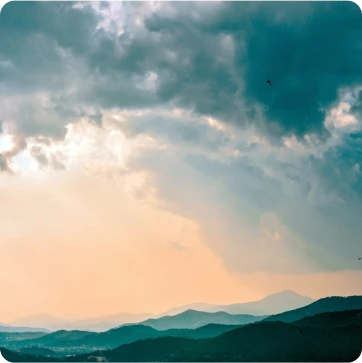
Nepal's climate is hugely diverse due to its topography. Autumn (September-November) with its clear skies and stable weather, is the prime season for trekking. The spring (March-May) is a great time for viewing wildflowers and rhododendron blooms. Monsoon (June-August) makes trails slippery and views unclear, though fewer crowds offer solitude.
In the winter (December-February), the high-altitude areas become extremely cold, and some passes may be blocked due to snowfall, but lower elevation treks are still possible. Always keep track of the weather conditions during your trek; the Mountain Weather Information Service provides forecasts for different trekking regions (MWIS).
Regardless of the season, it's crucial to be prepared for sudden weather changes and potential hazards. The Himalayan Rescue Association (HRA) is a good resource for safety tips and health advice for trekking in Nepal.
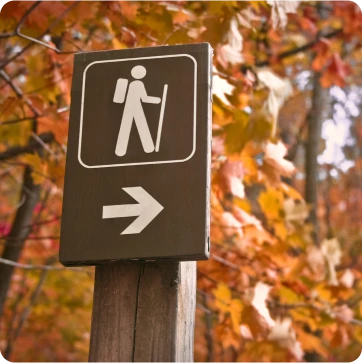
In Nepal, hikers usually need the TIMS card and area-specific permits, which can be obtained from Nepal Tourism Board offices or at the trailhead itself. For certain protected regions, you'll need to apply through authorized trekking agencies. Consult Nepal Tourism Board's website for details.
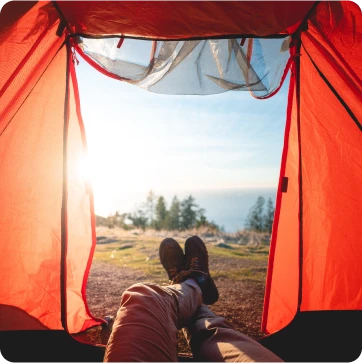
Wild camping in Nepal is often part of trekking experiences, especially on less traveled routes. However, it's crucial to respect local customs, wildlife, and natural surroundings. Certain protected areas might have restrictions. For precise information, check with your tour operator or the Nepal Tourism Board.

Mountain rescue in Nepal is typically organized through travel insurance providers, so ensure you're covered before hiking. In emergencies, local police, your embassy, or organizations like the Himalayan Rescue Association can be contacted. Himalayan Rescue Association provides vital resources and assistance.
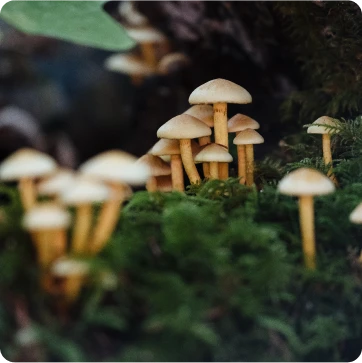
Hiking in Nepal, you'll encounter diverse flora. Lower elevations showcase subtropical plants, rhododendrons in mid-hills, and conifers in higher altitudes. Certain areas like the Annapurna region are renowned for their spring blossoms. Be respectful to preserve these habitats. More at WWF Nepal.

From lower valleys to snowy peaks, Nepal houses diverse wildlife. Monkeys, leopards, deer, and numerous bird species may be encountered. Be cautious of potentially dangerous animals like snakes or bears. Always keep a respectful distance and avoid feeding wildlife. More at https://a-z-animals.com/animals/location/asia/nepal/
More hikes in Nepal
by difficulty