Best difficult hikes in Missoula County
Got your game face on? These difficult hikes are designed for hikers who are looking for a serious adventure.
Here are some great hikes to explore in Missoula County.
Most popular hikes
Reviews for difficult hikes in Missoula County




Frequently asked questions for hikes in Missoula County
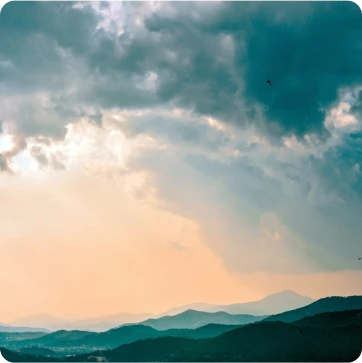
With Montana's continental climate, the summer season, from June to September, offers the most comfortable hiking conditions. The weather is typically warm and sunny, making trails in areas like Glacier National Park particularly inviting. However, afternoon thunderstorms are common, so hikers should be prepared.
Autumn, from September to November, showcases vibrant fall colors, with milder temperatures ideal for hiking. Winter, though, is severe, with heavy snowfall limiting access to many trails. Spring can be unpredictable, with lingering snow and wet conditions in many areas, delaying the hiking season.
Therefore, the best time to hike in Montana is generally summer, particularly in July and August. Hikers should always check weather conditions and trail status ahead of time, using resources like the Montana Wilderness Association (https://wildmontana.org/discover-the-wild/hike-wild-montana) for detailed information.
Hiking in Montana often doesn't require permits, but certain areas like Glacier National Park require them for backcountry camping. Check specifics with relevant park services or on the official U.S. National Park Service website (https://www.nps.gov/index.htm) to ensure adherence to local rules and regulations.
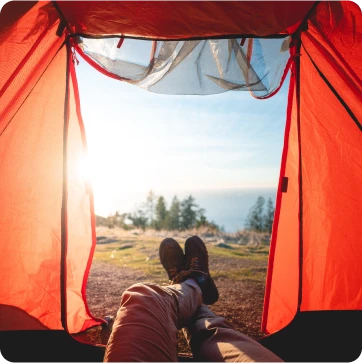
Wild camping in Montana's national forests is generally permitted, subject to specific rules and restrictions. It's recommended to verify local regulations via the U.S. Forest Service website (https://www.fs.usda.gov/activity/superior/recreation/camping-cabins/?recid=36905&actid=34). Always follow Leave No Trace principles to preserve the natural environment.

In case of an emergency while hiking in Montana, contact local authorities by dialing 911. The county sheriff's office typically coordinates search and rescue efforts. Hikers can also refer to the Mountain Rescue Association's website (https://mra.org/) for additional resources and safety information.

Montana's trails take hikers through diverse ecosystems, from grasslands to alpine meadows, populated by prairie flowers, Ponderosa pines, and western larch. Hikers should be aware of poison ivy in lower altitudes. More information can be found on the Montana Field Guide website (http://fieldguide.mt.gov/).

Hikers in Montana may encounter diverse wildlife such as elk, moose, bears, and mosquitoes. It's crucial to keep a safe distance from large mammals and carry bear spray when in bear country. The Montana Fish, Wildlife & Parks website (http://fwp.mt.gov/) offers detailed wildlife encounter guidelines.
More hikes in Missoula County
by difficulty
by type