
Download
3D Flyover
Add to list
More
3.2 km
~46 min
76 m
Loop
“A punchy Sonoran loop where saguaros glow, ironwoods shade, and rocky sunlit rises keep you honest.”
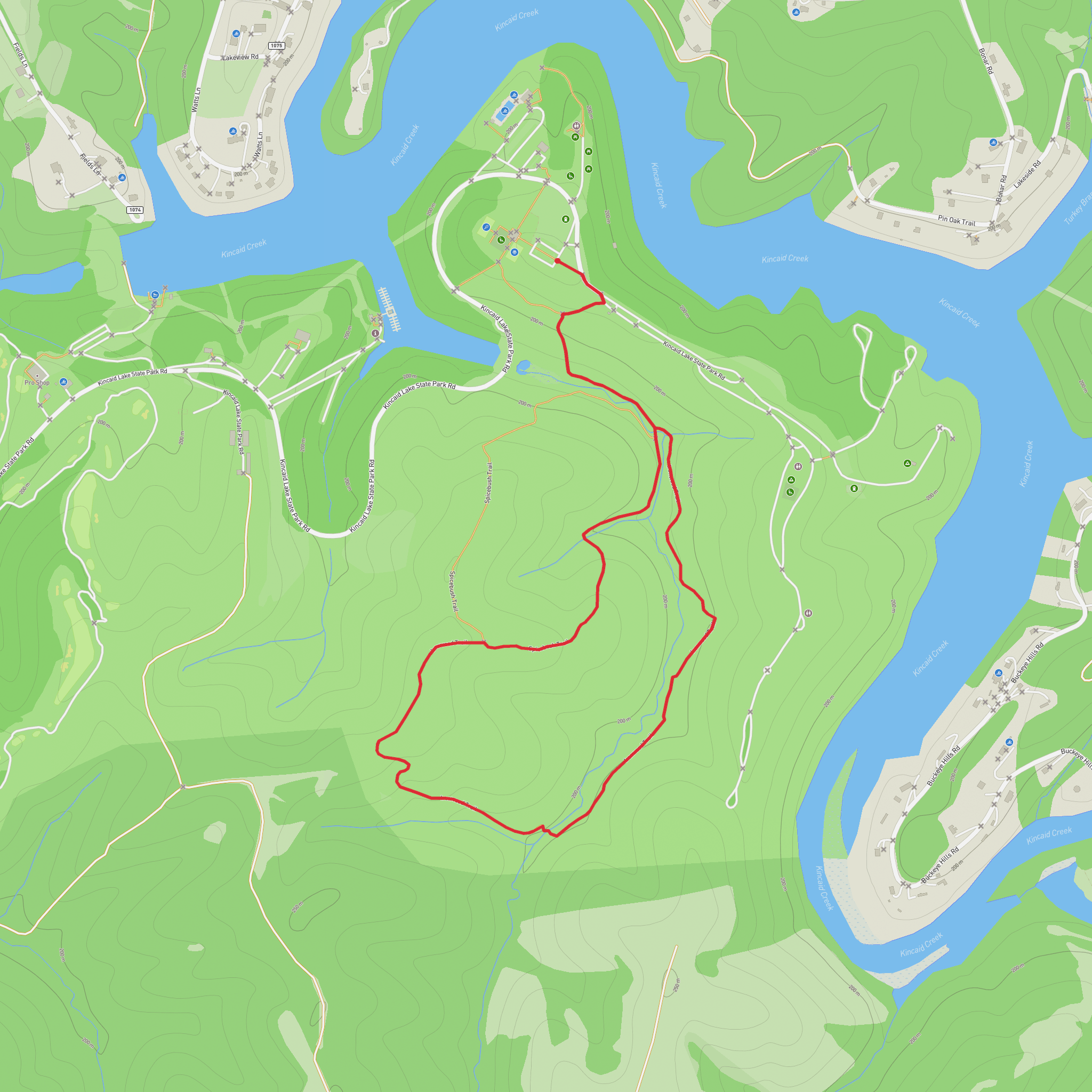
This is a compact, rolling Sonoran Desert loop—about 3 km (1.9 mi) with roughly 100 m (330 ft) of total climbing—set among saguaro-studded slopes and ironwood-lined washes on the west side of Tucson. Expect a “medium” feel mostly from rocky footing, short punchy rises, and sun exposure, not from sustained steep grades.
Getting to the start (car + public transport)
- By car: The most reliable landmark to navigate to is Ironwood Picnic Area in Tucson Mountain Park, reached via the west side of Tucson using Kinney Road / Gates Pass Road corridors (local signage commonly points toward Tucson Mountain Park, Old Tucson, and Gates Pass). Parking is typically in signed dirt or paved pullouts near picnic-area facilities depending on the exact access point. (pima.gov)
- By public transport: Tucson’s bus network can get you toward the west side of town, but service directly into Tucson Mountain Park is limited; most hikers end up using a rideshare/taxi for the final miles to the picnic area/trail access. Plan for no cell-signal guarantees once you’re tucked into the folds of the Tucson Mountains—download your route in HiiKER before you leave town.
From the parking/picnic area, you’ll usually pick up a signed singletrack or old road-grade segment that quickly leaves the developed picnic zone and enters classic desert scrub.
What the tread is like (and why it feels “medium”)
For the first 0.5 km (0.3 mi), the trail typically eases you in with relatively mellow grades, then begins a pattern you’ll feel for the rest of the loop: short climbs (10–30 m / 30–100 ft at a time) followed by brief flats or gentle descents. The surface is commonly hardpacked dirt mixed with embedded rock and loose gravel in spots—watch for: - Loose marbles on sloped turns (easy to skid on descent) - Rock steps and shallow ledges that can catch toes - Wash crossings where the trail braids—use HiiKER to stay on the intended line if multiple paths appear
Over the middle third of the loop—roughly 1.0–2.0 km (0.6–1.2 mi)—you’ll usually accumulate most of the elevation gain, topping out around the loop’s higher benches before trending back down toward the picnic area.
Landmarks, scenery, and seasonal highlights
You’re hiking in the Tucson Mountains / Tucson Mountain Park landscape—an expansive desert preserve west of Tucson with a dense network of designated trails. (americansouthwest.net)
Key things to look for along a short loop like this:
- Ironwood trees (palo verde–ironwood associations): Ironwood often anchors micro-habitats—slightly cooler shade, richer soils, and more understory plants beneath the canopy.
- Saguaros on rocky slopes: The classic postcard silhouettes tend to cluster where drainage and slope aspect suit them.
- Washes and desert drainages: Even when dry, washes are wildlife corridors—look for tracks in sandy patches.
Spring can bring bursts of wildflowers after winter rains; early morning light also makes the saguaro ribs and volcanic rock textures stand out.
Wildlife and what to watch out for
This is prime desert wildlife country. You’re most likely to notice lizards and birds first, but prepare for the bigger safety considerations: - Rattlesnakes: Most active in warm seasons and around dawn/dusk. Give any snake a wide berth; don’t step over rocks/logs blindly. - Javelina and coyotes: Usually shy; keep distance and don’t leave food unattended. - Bees/wasps: Especially near flowering shrubs and water sources (even tiny seeps).
Also plan for non-animal hazards that matter more on a 3 km loop than people expect: - Heat + sun exposure: Shade is intermittent. Carry water even for a short hike—dehydration happens fast in low humidity. - Cholla and prickly pear spines: A brush-by can end your day; long socks and paying attention on narrow tread help.
Historical context you’re walking through
The nearby Gates Pass corridor is historically significant as an early route through the Tucson Mountains—work on a road through the pass is commonly attributed to **Thomas Gates in 1883
Surfaces
Unpaved
Asphalt
Unknown
Comments and Reviews
User comments, reviews and discussions about the Ironwood Loop Trail, Kentucky.
average rating out of 5
0 rating(s)
