Download
3D Flyover
Add to list
More
27.0 km
2 days
163 m
Multi Day
“Trek through Hawaiʻi's volcanic vistas and historical sites to the tranquil Halape Beach.”
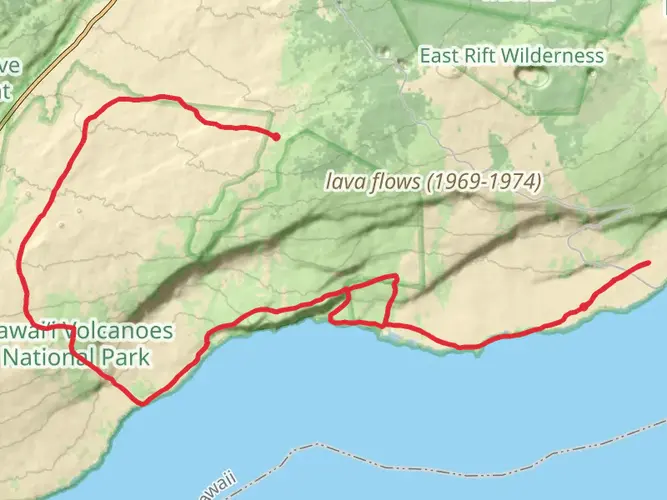
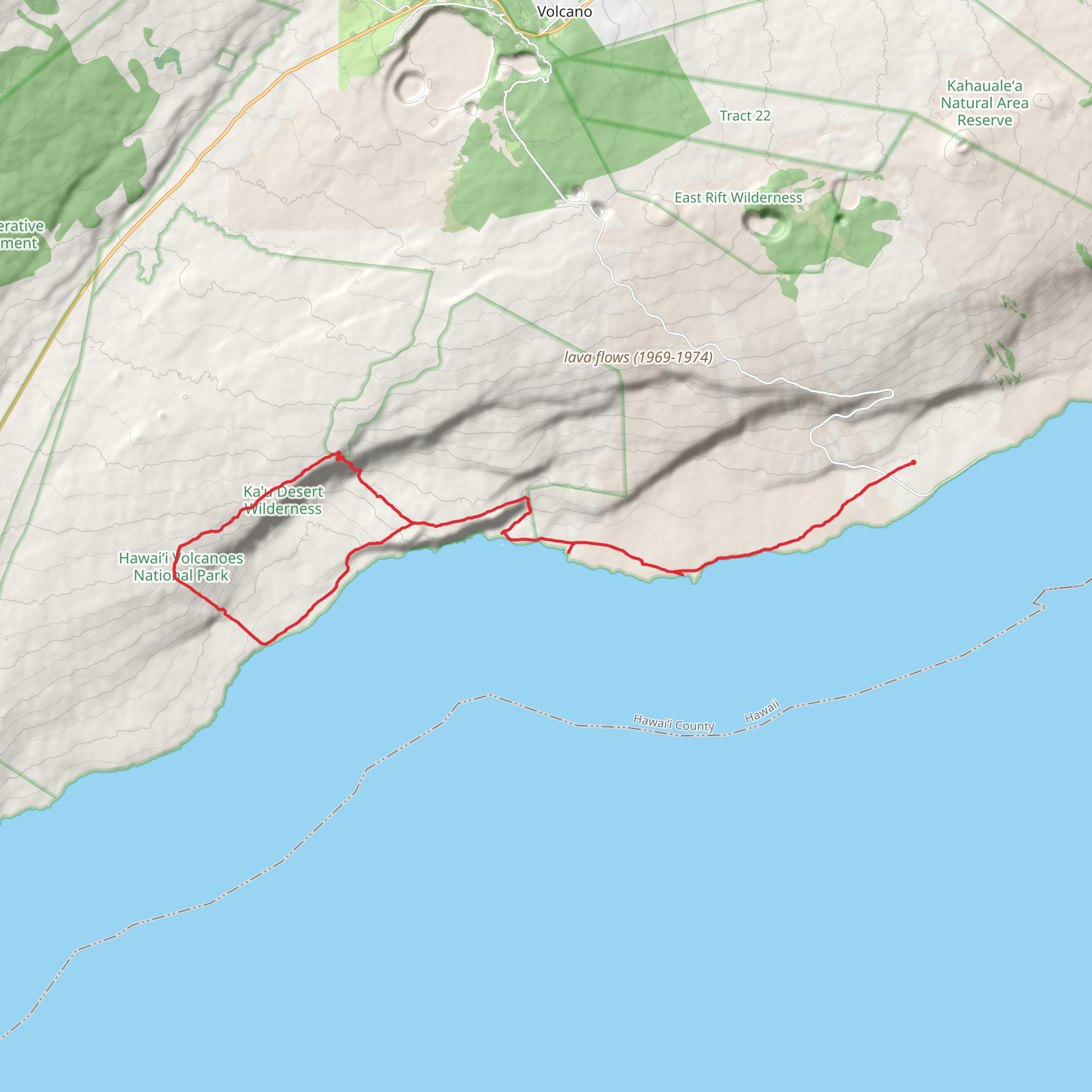
Embarking on the Halape Trail, hikers will traverse approximately 27 kilometers (about 17 miles) through the diverse and stunning landscapes of Hawaiʻi Volcanoes National Park. With a modest elevation gain of around 100 meters (328 feet), the trail is considered easy, making it accessible to a wide range of hikers.
Getting to the Trailhead The journey begins near Hawaiʻi County, Hawaii, where adventurers can reach the trailhead by car. There is no direct public transportation to the trailhead, so hikers will need to drive or arrange a private shuttle. The starting point is accessible via Chain of Craters Road, which winds through the national park and offers breathtaking views even before the hike commences.
Navigating the Trail As you set out, the trail will lead you through old lava flows and lush vegetation, showcasing the island's unique volcanic geography. Hikers should download the HiiKER app for detailed maps and navigation assistance, ensuring they stay on the correct path through the sometimes rugged terrain.
Landmarks and Natural Wonders The trail offers a variety of landscapes, from stark volcanic rock formations to pockets of greenery where the native 'ōhi'a lehua trees bloom with vibrant red flowers. The contrast between the black lava rock and the flourishing plant life is a testament to nature's resilience.
Wildlife Encounters The area is home to a rich array of bird species, including the Hawaiian hawk and the nēnē, Hawaii's state bird. Hikers should keep their eyes peeled for these indigenous birds, as well as other wildlife that has adapted to the island's unique environment.
Historical Significance The Halape region holds significant historical value as it was once a fishing village used by native Hawaiians. As you hike, you may encounter remnants of ancient stone walls and other archaeological sites. It's a humbling experience to walk amidst these historical artifacts, feeling the deep connection to the past inhabitants of the land.
Preparing for the Hike Due to the remote nature of the trail, it's crucial for hikers to pack sufficient water, food, and sun protection. The trail can be hot and exposed, so a hat and sunscreen are recommended. Additionally, sturdy hiking boots are a must, as the terrain can be uneven and rocky.
Reaching Halape Beach The endpoint of the trail is the serene Halape Beach, a secluded spot perfect for camping and resting after the day's trek. The beach offers a rare opportunity to relax by the Pacific Ocean, surrounded by the natural beauty of Hawaii. Remember to pack out all trash and leave no trace to preserve the pristine condition of this special place.
Safety Considerations Always check the weather forecast and volcanic activity reports before setting out, as conditions can change rapidly. It's also wise to inform someone of your hiking plans and expected return time due to the remote nature of the trail.
By preparing adequately and respecting the natural and historical significance of the Halape Trail, hikers can look forward to an unforgettable journey through one of Hawaii's most captivating landscapes.
AI Planner
Days planned around your pace, with somewhere to stay each night.
What to expect?
Activity types
Frequently asked questions
How long is the Halape Trail and how many days does the Halape Trail usually take?
The Halape Trail is 26.96 km, or about 16.8 miles, which puts it in solid multi-day territory for most hikers. Halapē campground sits about 8 miles from the closest trailhead at Hilina Pali Overlook, and the National Park Service also lists longer approaches from Mau Loa o Maunaulu and Puʻuloa, so many trips are done as an overnight or 2-day out-and-back.
Where do you start the Halape Trail and where can you park for the Halape Trail?
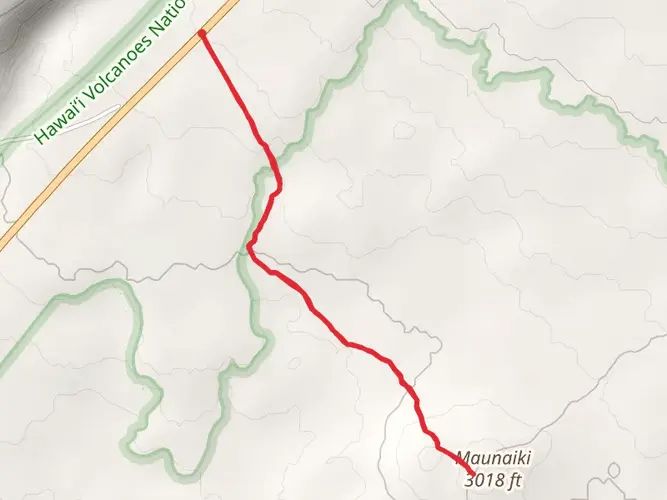
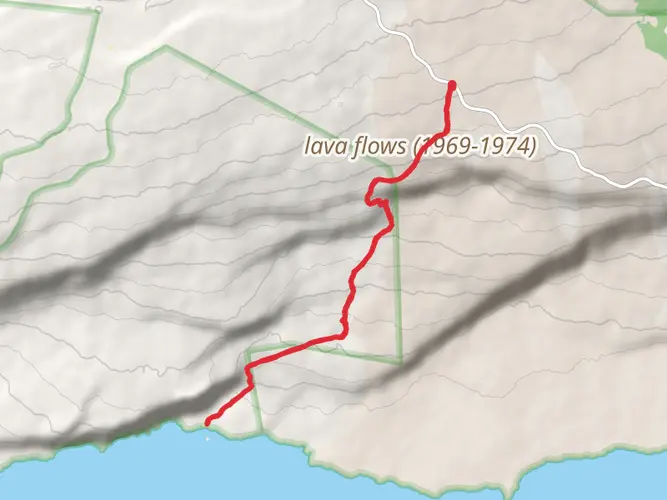
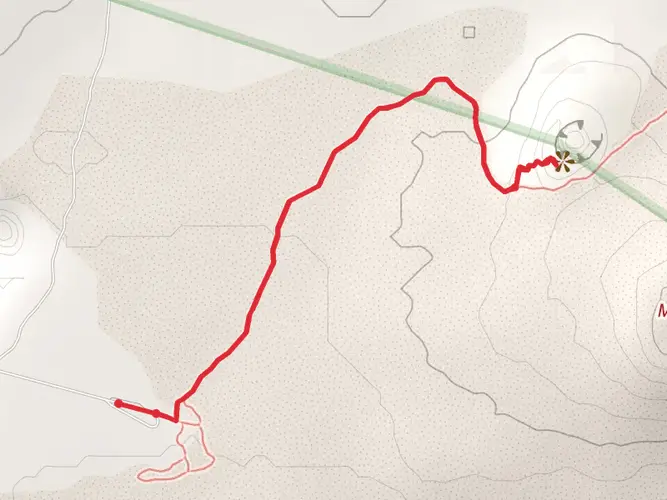
Halapē can be reached from several trailheads in Hawaiʻi Volcanoes National Park, including Hilina Pali Overlook via Hilina Pali Road and Mau Loa o Maunaulu or Puʻuloa via Chain of Craters Road. Parking is available at designated trailhead areas and pullouts in the park, but spaces can fill early during busy periods, especially in summer and around holiday peaks.
Is camping allowed on the Halape Trail and do you need a permit for Halape Trail?
Camping is allowed at Halapē, but it is regulated backcountry camping inside Hawaiʻi Volcanoes National Park. A backcountry permit is required, and the park limits Halapē to 16 hikers per night, so space is controlled and advance planning matters more here than on a typical front-country campground stay.
Is the Halape Trail hard, and does the Halape Trail have much elevation gain?
The Halape Trail is generally rated easy in overall difficulty, with about 163 m of elevation gain across the 26.96 km route. That said, the park notes that access routes to Halapē can still feel strenuous because the terrain is rocky, exposed, and hot, with uneven footing and long stretches without shade.
Are dogs allowed on the Halape Trail in Hawaiʻi Volcanoes National Park?
Dogs are not allowed on backcountry trails such as the Halape Trail. In Hawaiʻi Volcanoes National Park, pets are restricted to certain developed areas and specific road corridors, and backcountry routes to places like Halapē are off-limits in order to protect wildlife, habitat, and other visitors.
Is there water on the Halape Trail or at Halape campground?
Water planning is critical on the Halape Trail. The National Park Service advises carrying at least 4 quarts of water per person per day for the hike to Halapē because the route is hot, exposed, and largely without shade, and hikers should not count on easy water availability along the trail.
What is the scenery like on the Halape Trail and what do you see at Halape?
The Halape Trail crosses stark volcanic terrain shaped by old lava flows before dropping to the southern coast of Hawaiʻi Volcanoes National Park. Halapē itself is known for its small sandy beach, coconut palms, ocean views, and broad coastal setting, which makes it one of the park’s most distinctive backcountry destinations.
Comments and Reviews
User comments, reviews and discussions about the Halape Trail, Hawaii.
4.53
average rating out of 5
75 rating(s)