
Download
3D Flyover
Add to list
More
9.2 km
~1 hrs 55 min
55 m
Loop
“A gentle ridge loop with sandy twists and swaying bridges offers a playful, forest-framed escape.”
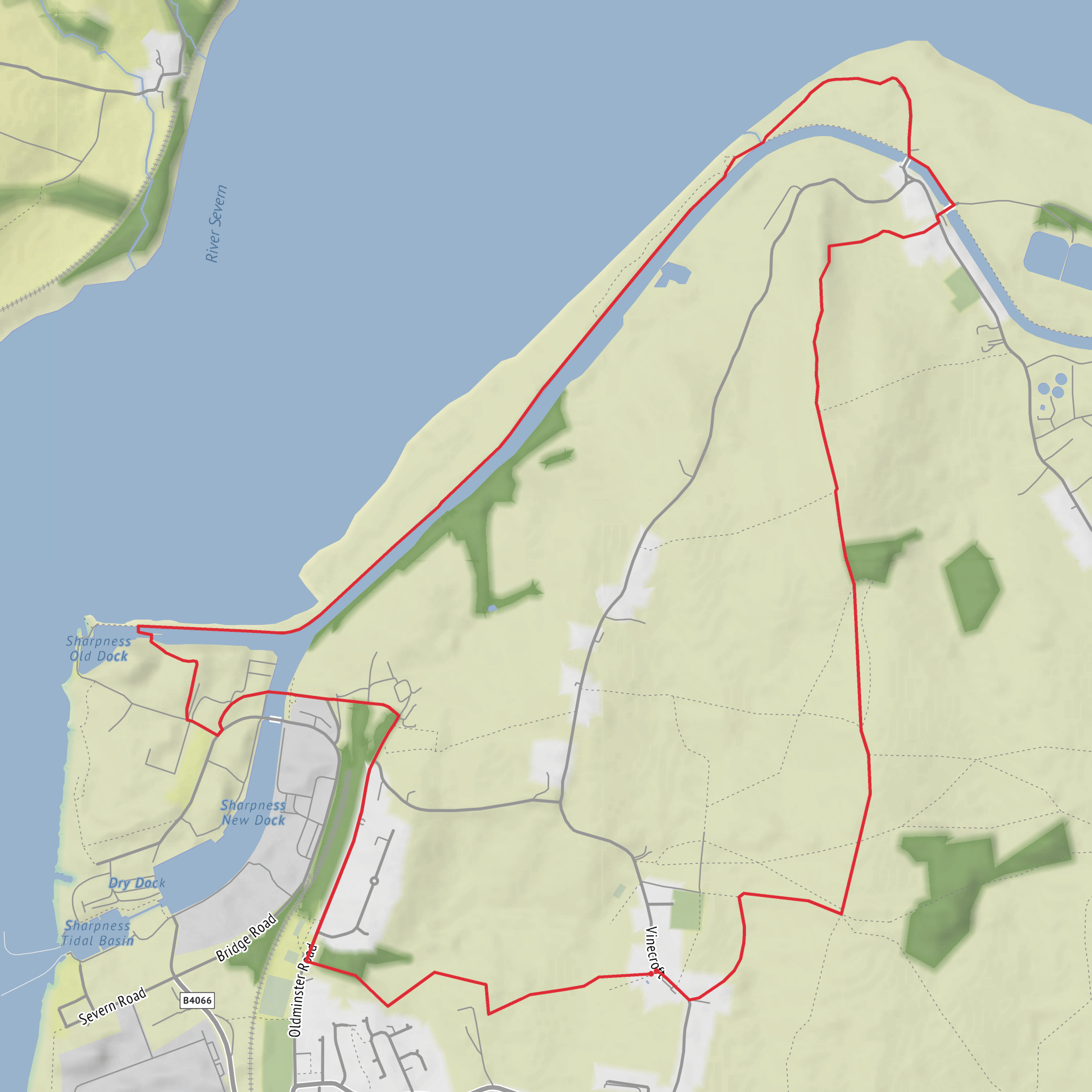
This easy loop covers about 9 km / 5.6 miles with roughly 100 m / 330 ft of elevation gain, making it a good choice for walkers looking for a relaxed half-day outing with a few memorable features rather than a strenuous climb. The route is best known for its mix of ridge walking, sandy sections underfoot, and a pair of swing bridges that add variety and a little excitement without turning the day into anything technical. Expect a track that changes character several times, moving between more enclosed bush sections and more open stretches where the ridge gives a better sense of the surrounding landscape.
The overall grade is gentle, but “easy” does not always mean effortless. Short rises and dips along the ridge can add up, and sandy ground can feel slower than firmer trail surfaces. Most hikers should allow extra time for the bridge crossings, photo stops, and any pauses to enjoy the forest and creek environments. Sturdy walking shoes are usually enough in dry conditions, though after rain the track can become patchy with mud and the approaches to bridges or drainage lines may be slick.
What to expect on the route
The opening part of the loop is typically the easiest for settling into the walk, with a broad or clearly defined path and only mild elevation change. Over the first 1 to 2 km / 0.6 to 1.2 miles, the route usually eases hikers into the terrain rather than demanding a steep climb straight away. Because the total elevation gain is only around 100 m / 330 ft, any uphill sections tend to come in short bursts rather than one sustained ascent.
As the walk progresses onto the ridge, the trail often becomes more interesting underfoot. Sandy patches can appear along drier sections, especially where drainage is good and vegetation opens slightly. These areas are rarely difficult, but they can be loose and energy-sapping, particularly for children or anyone carrying a heavier daypack. Trekking poles are optional rather than necessary, though some hikers may appreciate them on sandy descents or uneven approaches.
The swing bridges are the standout landmarks. These crossings usually span creeks, gullies, or low drainage corridors and can be a highlight for families and casual hikers. They may sway a little underfoot, especially if several people step onto them at once, so it is worth crossing steadily and giving others space. Anyone uncomfortable with moving bridges should take their time and keep a hand on the side cables or rails where provided. The approaches can sometimes be damp, rooty, or worn smooth by foot traffic, so this is one of the main places to watch footing.
Landscape, vegetation, and wildlife
A loop like this often passes through a mix of ridge-top vegetation and more sheltered creekside habitat. On the higher, drier ground, expect tougher plant communities adapted to thinner soils and more exposure. In lower sections near watercourses, the vegetation may become denser, greener, and more shaded, with ferns, mosses, and moisture-loving understory plants more likely to appear.
Birdlife is often one of the most rewarding parts of an easy ridge-and-creek walk. Depending on season and region, hikers may notice small bush birds moving through the canopy, parrots or cockatoos overhead, and water-associated species closer to creeks. Early morning is usually the best time for birdsong and wildlife movement. Reptiles may also be present in warmer months, especially where sandy track edges and sunlit clearings provide basking spots. Snakes generally avoid people, but hikers should stay alert, keep to the trail, and avoid stepping over logs or rocks without checking the far side first.
Insect activity can vary a lot with weather and season. After rain or in humid conditions, mosquitoes and biting flies may be more noticeable near water and shaded gullies. Carrying repellent is a sensible precaution. Leeches are possible in wetter bush environments, though whether they are common depends heavily on the local climate and recent rainfall.
Landmarks and points of interest
The ridge itself is one of the defining features of the walk. Even where there are no dramatic lookouts, ridge walking often gives a stronger sense of movement through the landscape, with changing light, breezes, and vegetation patterns marking the transition between higher and lower ground. The sandy sections are also part of the route’s identity, giving the loop a distinct texture compared with more compacted forest tracks.
The swing bridges are the most obvious man-made landmarks and often the points hikers remember most. Bridges like these are not only practical crossings but also a way of protecting creek banks and reducing erosion in sensitive drainage areas. If the water below is clear and slow-moving, it is worth pausing briefly to look for aquatic life, reflections, and the contrast between the dry ridge environment and the cooler creek corridor.
If there are interpretive signs, old cuttings, remnants of earlier land use, or named creek crossings along the route, these can point to the broader history of the area. Many ridge-and-forest walking areas sit on land with deep Indigenous significance, often connected to long-standing travel routes, seasonal movement, food gathering, and cultural knowledge tied to waterways and ridgelines. In many regions, later colonial or settlement-era use introduced logging, grazing, road building, or small-scale infrastructure, and modern walking tracks sometimes follow or intersect those older access lines. Hikers should treat the area respectfully, remain on marked paths, and avoid disturbing natural or cultural features.
Planning, timing, and track conditions
For most walkers, this route suits a comfortable outing of around 2.5 to 4 hours, depending on pace, stops, and group size. Families with children or anyone taking lots of photos may take longer. Because the distance is moderate rather than short, carrying water is still important even though the elevation gain is low. A good baseline is at least 1 to 1.5
Surfaces
Unknown
Unpaved
Asphalt
Gravel
Comments and Reviews
User comments, reviews and discussions about the The Ridge Sand and Swing Bridges Loop, England.
average rating out of 5
0 rating(s)
